
Lawn
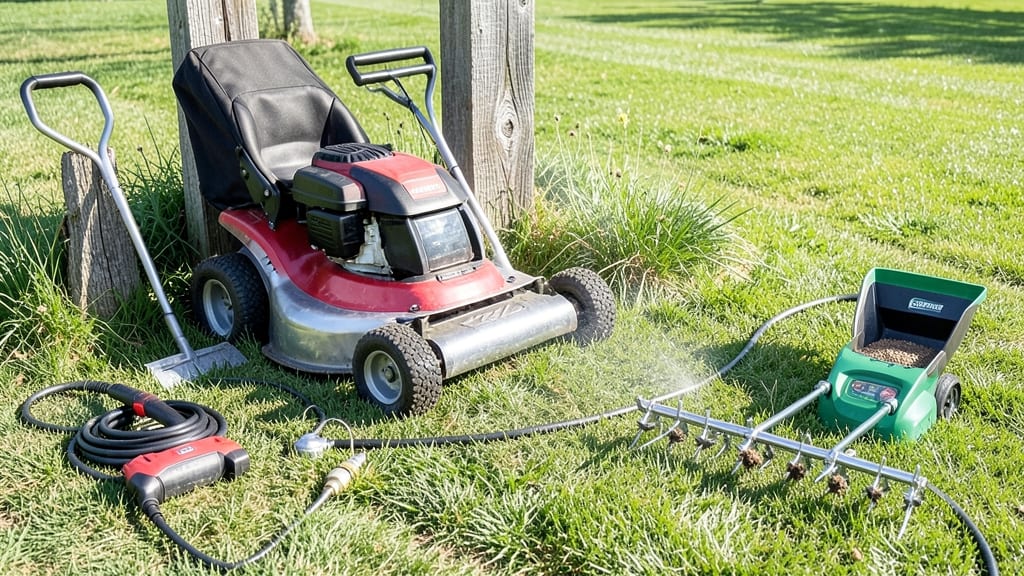
Washington DC’s lawn maintenance turns into a high-stakes summer battle unless you adjust your care calendar. 🌿 The key isn’t fighting the climate—it’s working with it by choosing the right grass, watering smarter, and timing treatments for DC’s humidity spikes that trigger brown patch and fungus.
I’ve learned the hard way that tall fescue and buffalo grass thrive here, while Kentucky bluegrass wilts by July. The secret’s in deep but infrequent watering—early morning sessions that soak 6 inches deep, then letting the soil dry between sessions.
DC’s clay soil also needs aeration every 2-3 years to prevent compaction from heavy foot traffic and summer storms.
By following this schedule, you’ll avoid the July brown patch that ruins so many DC lawns. Overseed in late September when nights cool, and apply pre-emergent in March to block crabgrass before it starts. The result? A green lawn that stays lush through August without constant watering or chemicals.
This approach works for both small yards and larger properties—just adjust the equipment scale. The payoff is a lawn that handles DC’s heat, humidity, and municipal restrictions better than generic advice ever could.
📚 In This Guide
- What you need
- Instructions
- Tips and common mistakes
- Wrapping up and next steps
What you need
- ● Mower: A self-propelled or push mower (30–40" cutting width ideal for DC lawns). For larger yards, consider a zero-turn radius mower.
- ● String Trimmer: Gas-powered or electric (20–24" cutting width) for edges and tight spots.
- ● Rake: Bow rake (for debris) and dethatching rake (spring/fall).
- ● Lawn Aerator: Manual or motorized core aerator (rent or buy; 6–8" tines recommended).
- ● Soil Test Kit: DIY test kit (e.g., Luster Leaf) or send a sample to the blank">UMD Extension for professional analysis.
- ● Fertilizer: Slow-release, heat-tolerant fertilizer (e.g., 16-4-8 or 10-10-10 NPK ratio).
- ● Organic options: Composted manure, bone meal, or fish emulsion (spring/fall).
- ● Watering Supplies: Oscillating sprinkler (coverage: 20–30 ft radius).
- ● Soaker hoses (for deep root watering; ¼" diameter).
- ○ Rain gauge (optional but helpful for tracking DC’s blank">humidity/rainfall).
- ● Weed Control: Pre-emergent herbicide (apply in early spring before crabgrass sprouts).
- ● Post-emergent herbicide (selective for broadleaf weeds; e.g., 2,4-D).
- ● Grass Seed: Heat-tolerant blends for DC’s climate (e.g., Tall Fescue or Fine Fescue mixes). Buy 5–10 lbs per 1,000 sq ft.
- ● Leaf Blower (for quick cleanup after storms or seasonal shedding).
- ● Lawn edger (for crisp borders; ½"–¾" cutting depth).
- ● Soil conditioner (e.g., gypsum for clay-heavy DC soil).
- ● Smart sprinkler controller (e.g., Rachio) to automate watering based on DC’s weather.
- ● Knee pads/gloves (because DC summers are no joke!).
- ● Know your lawn size (measure in square feet) to calculate material quantities.
- ● Check your soil type (DC has a mix of clay and loam—amend if needed).
- ● Review DC’s watering restrictions (e.g., odd/even schedules in summer).
- ● Schedule tasks around DC’s heat waves (avoid midday mowing in 90°F+ weather).
Step-by-step guide to maintaining a heat-tolerant lawn in Washington, DC
DC’s summer heat demands a strategic approach—here’s how to keep your lawn lush despite the humidity and drought.
🌱 Step 1: Choose the Right Heat-Tolerant Grass Variety
Washington, DC’s hot summers and humid climate favor grasses like tall fescue or zoysia, which thrive in USDA Zone 7b-8a. Avoid cool-season grasses like Kentucky bluegrass—they’ll turn brown under stress. If your lawn already has a mix, test its resilience by walking on it: if blades spring back quickly, it’s likely heat-adapted.
For new lawns, plant in early fall when temperatures dip below 80°F. This gives roots time to establish before summer heat hits. If overseeding, use drought-resistant seed blends labeled for DC’s climate. I’ve found tall fescue holds up best in my neighborhood, even during July’s 90°F+ stretches.
☀️ Step 2: Adjust Watering for DC’s Heat and Humidity
Water deeply 2-3 times per week (early morning, 6-9 AM) rather than daily shallow sessions. Aim for 1-1.5 inches per week, including rainfall. Check moisture by digging 2 inches deep—soil should feel damp but not soggy. Overwatering in heat leads to fungus (like brown patch), while underwatering causes crunchy, yellowed grass.
Install a rain gauge to track precipitation—DC’s summer storms can deliver 1 inch overnight, so skip watering if you’ve already hit your weekly target. For new sod, water twice daily (morning and evening) for the first 2 weeks to encourage root growth. I set a timer on my hose to ensure consistent coverage—uneven watering creates weak patches.
✂️ Step 3: Mow High and Sharpen Your Blade
Set your mower to 3-4 inches during peak summer (June-August). Taller grass shades roots, retaining moisture and outcompeting weeds. Never remove more than ⅓ of the blade height in one mowing—this stresses the grass. I adjust my mower weekly, watching for yellow tips (a sign of cutting too low).
Sharpen blades monthly—dull mowers tear grass, inviting disease. Test sharpness by mowing a strip of paper: clean cuts mean it’s ready. Also, bag clippings during drought—they can smother the lawn if left to dry on the surface. I switch to a mulching setting in fall to return nutrients to the soil.
🪴 Step 4: Feed and Aerate for DC’s Compacted Soil
Apply a slow-release, heat-tolerant fertilizer in early spring and late summer (avoid nitrogen-heavy feeds in heat). Look for low-phosphorus, high-potassium blends to strengthen roots. Aerate in early fall when soil is moist but not muddy—DC’s clay-heavy soil compacts easily under foot traffic.
Rent a core aerator to pull 3-4 inch deep plugs every 2-3 years. This relieves compaction and lets roots access water. After aerating, top-dress with ¼ inch of compost to improve soil structure. I time aeration with my fall overseeding to give new seeds the best start—skipping this step means roots suffocate in summer’s heat.
💧 Step 5: Monitor and Adjust for DC’s Microclimates
DC’s urban heat island effect means south-facing lawns dry out faster. Install soil moisture sensors in hot spots to guide watering. If your lawn has bare patches, spot-treat with heat-tolerant seed and a starter fertilizer. Avoid overseeding in July-August—the heat will kill new seedlings before they root.
Watch for grubs (signs: irregular brown patches that lift easily). Treat in early summer with beneficial nematodes or milky spore—chemicals can harm heat-stressed grass. I also mow weekly in summer to prevent thatch buildup, which insulates roots from both heat and cold. Adjust your routine based on weekly weather forecasts—DC’s sudden thunderstorms can shift your watering schedule overnight.
Tips & tricks for perfect heat-tolerant lawn care in Washington, DC
DC’s summer heat can turn your lawn into a battleground—here’s how to give your grass the edge without breaking a sweat.
Grass Selection Wisdom: If you're unsure about your current grass type, perform a simple resilience test: walk across your lawn. If blades spring back quickly, they’re likely heat-adapted. For new installations, tall fescue is my go-to for DC’s climate—it handles our 90°F+ July stretches like a champ. Just remember, cool-season grasses like Kentucky bluegrass will struggle and turn brown under this kind of heat.
Watering Precision: Those 1-1.5 inches per week of water aren’t just numbers—they’re your lawn’s lifeline. Use a rain gauge to track rainfall accurately, especially after DC’s sudden summer storms. Pro tip: place a tuna can in your yard—when it collects 1 inch of water, you’ve hit your target. For new sod, the twice-daily watering for the first 2 weeks is non-negotiable—think of it as a survival boot camp for roots.
Mowing Strategy: The 3-4 inch height during peak summer isn’t just about looks—it’s about survival. Taller grass shades roots, creating a cooler microclimate that retains moisture. I set my mower weekly and watch for yellow tips as my early warning system. And here’s a game-changer: switch to a mulching setting in fall. Those clippings become free fertilizer, returning nutrients to the soil while saving you money on compost.
Fertilizer Timing: Those early spring and late summer fertilizer applications are your secret weapons against DC’s heat stress. Avoid nitrogen-heavy feeds during summer—they promote top growth but leave roots vulnerable. Instead, look for low-phosphorus, high-potassium blends that strengthen roots. I’ve had the best results with a slow-release formula that feeds consistently without overwhelming the grass.
Pro Tips for Lawn Maintenance Washington Dc
- DC’s summer heat can turn your lawn into a battleground—here’s how to give your grass the edge without breaking a sweat.
- Grass Selection Wisdom: If you're unsure about your current grass type, perform a simple resilience test: walk across your lawn.
- Watering Precision: Those 1-1.5 inches per week of water aren’t just numbers—they’re your lawn’s lifeline.
Frequently asked questions
Got questions about keeping your Washington, DC lawn lush and heat-resistant? Here are some of the most common queries—and their straightforward answers—to help you tackle lawn care like a pro!
When is the best time to mow my lawn in DC’s hot summers?
Mow your lawn early in the morning (before 8 AM) or late in the evening (after 6 PM) to avoid stressing the grass in DC’s intense heat. Never cut more than 1/3 of the grass blade at once—aim for a height of 3–4 inches during peak summer to retain moisture and shade the soil.
Why does my lawn turn brown in DC’s heat, even with regular watering?
Brown patches in summer are often caused by overwatering (leading to fungal issues) or underwatering (stress from drought). DC’s clay soil can also compact, cutting off roots. Test soil moisture by sticking a screwdriver in—if it goes in easily, water less; if it’s tough, deep-water 1–1.5 inches 2–3 times per week (early morning). Heat-tolerant grasses like Tall Fescue or Zoysia handle DC’s climate better.
What’s the easiest way to fix a patchy lawn without reseeding?
For small patches, try a soil solarizer (clear plastic sheeting) to kill weeds, then top-dress with compost + sand mix (50/50). Overseed with heat-resistant grass seed and cover lightly with straw. For larger areas, consider sod patches in early fall when temps cool. Pro tip: Aerate first to improve root growth!
Are grubs ruining my lawn, and how do I get rid of them naturally?
Grubs (white, C-shaped larvae) thrive in moist DC soil. Look for wilted patches that pull up easily. Natural fixes:
- Nematodes: Microscopic, beneficial worms that kill grubs (apply in early fall).
- Milky spore: A bacteria treatment that prevents grubs long-term.
- Birds & toads: Encourage them with shallow water dishes—they’re grub snack lovers!
Is hiring a lawn service worth it in DC, or can I DIY?
DIY works for small lawns or those willing to learn, but DC’s humidity, pests, and soil challenges make it tricky. Hiring a pro ensures:
- Correct fertilizer timing (DC’s laws restrict when you can apply it!).
- Expert disease/pest diagnosis (e.g., brown patch fungus).
- Equipment like core aerators (renting costs $80+/day).
Wrapping up and next steps
Maintaining a lush, heat-tolerant lawn in Washington, DC is totally doable with the right schedule and care! By following this seasonal guide—watering deeply, mowing high, and fertilizing strategically—you’ll keep your yard thriving even through the city’s sweltering summers. 🌱
Ready to take action? Start with a quick audit of your lawn—check soil moisture, inspect for pests, and adjust your plan based on what you find. Small steps now lead to big results by next spring!