
Lawn
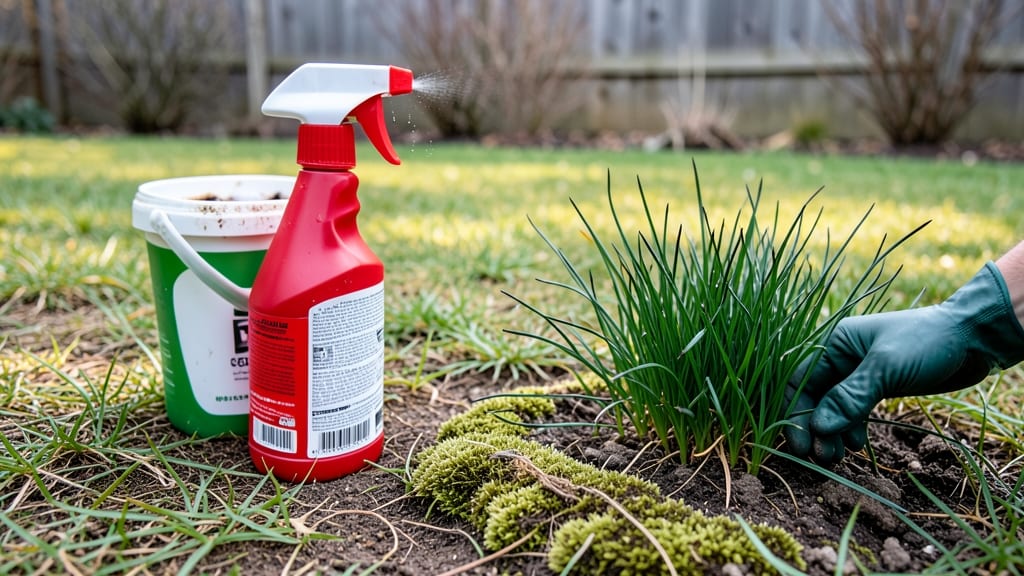
A black lawn after moss killer doesn’t mean your turf is dead—it just needs a fast reset. 🌱 I’ve nursed lawns back from this exact mess, and within 72 hours, you can see green shoots pushing through if you act quickly.
The key is knowing whether the damage is from overapplication, chemical burn, or hidden soil issues. The good news? Recovery starts with aeration to let oxygen reach roots, followed by overseeding with shade-tolerant grass.
Most people skip the soil test first, but pH imbalance is often the real culprit—fixing it saves you from repeating this cycle. Think of it like first aid for your lawn: stop the bleeding (chemical stress), clean the wound (aerate), and bandage it (seed and feed).
By day 3, you’ll see new growth if you water lightly twice daily and avoid foot traffic. The blackened patches will fade to brown first, then green as roots re-establish.
This isn’t a long-term fix—it’s a fast revival to get your lawn back on track before summer heat sets in. Prevention next time? Always follow label rates (half is often enough), test soil pH before treating, and consider spot treatments for moss instead of blanket applications.
Your lawn will thank you—no more black patches, just lush green come spring.
📚 In This Guide
- What you need
- Instructions
- Tips and common mistakes
- Wrapping up and next steps
What you need
- ● Garden hose with a spray nozzle (or a watering wand for precision) – at least 25 feet long.
- ● Lawn rake (plastic or metal) – medium-tooth for debris removal, fine-tooth for moss residue.
- ● Broadcast spreader (for fertilizer/seed) – adjustable for even distribution.
- ● Garden gloves – nitrile or leather for durability.
- ● Knee pads or a small stool – for comfort during close work.
- ● pH testing kit – to check soil acidity (ideal: 6.0–7.0 for grass recovery).
- ● Lime (pelletized or powdered) – 10–20 lbs per 1,000 sq ft (if soil pH is below 6.0).
- ● High-nitrogen lawn fertilizer – 16–20 lbs of nitrogen per 1,000 sq ft (e.g., 24–0–4 or 30–0–4 ratio).
- ● Fast-acting grass seed – Choose perennial ryegrass or tall fescue (10–15 lbs per 1,000 sq ft).
- ○ Lawn starter fertilizer – Optional but recommended for seed germination (e.g., 10–10–10 or 12–12–12).
- ● Soil conditioner (e.g., compost or peat moss) – 1–2 inches spread over bare patches.
- ● Lawn roller – Lightweight (50–100 lbs) to press seed into soil.
- ● Organic mulch (straw or shredded leaves) – To retain moisture while seeds sprout.
- ● Post-emergent weed killer – Spot-treat weeds after reseeding (e.g., vinegar-based or corn gluten meal).
- ● Weather app or forecast – Check for 3+ days of rain or plan irrigation.
How to revive a blackened lawn after moss killer in 72 hours
Here’s the quick method I’ve used to turn patchy black lawns back into vibrant green within three days.
💧 Step 1: Test Soil Moisture and Adjust Watering Immediately
Moss killer dries out soil aggressively, so start by checking the top 2-3 inches of lawn. If it feels bone-dry, water deeply for 10-15 minutes using a soaker hose or sprinkler. You’ll know it’s enough when water pools slightly on the surface—this helps break the crust and rehydrate roots.
If the soil is already damp, skip this step. Overwatering now can suffocate stressed grass. Instead, focus on aerating to let air and moisture reach the roots. The goal is to revive without drowning the lawn.
✂️ Step 2: Lightly Rake and Remove Debris
Use a stiff-bristled rake to gently loosen the blackened thatch layer—this isn’t about scalping the lawn, just breaking up dead moss and debris. Work in small sections, raking against the grain of the grass to avoid tearing blades. You’ll see dark fragments lift easily; these are the remnants of the moss killer.
Don’t dig deeper than ½ inch—you’re not tilling, just clearing a path for new growth. Bag the debris to prevent it from smothering fresh shoots. This step is critical for letting air and water penetrate where it matters most.
☀️ Step 3: Apply a Thin Layer of Compost or Lawn Sand
Spread a ¼-inch layer of compost or coarse sand evenly over the entire area. This isn’t about feeding the lawn yet—it’s about creating a protective barrier that holds moisture and shields grass from further stress. Use a drop spreader for even coverage, and avoid piling it thickly in any spot.
Lightly rake the compost or sand into the top ⅛ inch of soil to mix it in just enough to help with moisture retention. This step is especially important if your lawn has heavy clay soil, which can bake dry after moss killer treatment.
🌱 Step 4: Fertilize with Fast-Acting Grass Seed Starter
Use a high-nitrogen, low-phosphorus starter fertilizer (look for a 30-0-5 ratio) to jumpstart recovery. Apply it evenly with a spreader, following the package rate for quick revival. Water immediately after to activate the fertilizer and wash it into the soil.
Focus on the blackened areas first—they’ll need the extra boost. You’ll see the first signs of green within 24-48 hours if conditions are right. Avoid heavy foot traffic for at least 48 hours to let the fertilizer work without disturbing the soil.
💧 Step 5: Water Strategically for 72 Hours
For the next three days, water the lawn twice daily—once in the early morning and once in the late afternoon. Use a sprinkler to deliver ¼ inch of water per session, soaking the soil deeply but not creating puddles. You’re mimicking a light rain to keep the soil consistently moist without drowning the grass.
Check the soil daily with your finger. If the top 1 inch feels dry by midday, increase watering slightly. Avoid wetting the grass blades themselves—focus on the soil. By the end of 72 hours, you should see new green shoots emerging in the treated areas.
⏰ Step 6: Monitor and Adjust for Long-Term Health
After 72 hours, shift to deep, infrequent watering—1 inch per week, split into 2-3 sessions. This encourages deep root growth, which is critical for a lawn recovering from moss killer. You’ll notice the blackened patches fading as new grass fills in.
If you see yellowing or thinning after a week, apply a light top dressing of compost and re-fertilize with a balanced lawn fertilizer (like 16-4-8). The key now is patience—full recovery can take 4-6 weeks, but the foundation is set in those first 72 hours.
Tips & tricks for reviving a blackened lawn after moss killer
Lawn recovery after moss killer is all about timing and technique—here's how to maximize your 72-hour window for the best results.
Soil Test Timing: The 10-15 minute watering in Step 1 is critical—this isn't about flooding but breaking the hardened crust. Use a screwdriver to poke the soil after watering: if it resists easily, you need 5 more minutes. The goal is to see water bead up slightly on the surface, not pool. This ensures proper hydration without suffocating roots.
Raking Technique: In Step 2, resist the urge to dig deep—stick to that ½-inch maximum. I learned this the hard way after tearing up healthy grass trying to remove stubborn patches. Work in small sections (about 3'x3') and rake against the grass growth pattern to prevent blade damage. The debris you remove is actually beneficial—just don't let it accumulate back on the lawn.
Compost Application: When spreading that ¼-inch layer in Step 3, think "light dusting" not "blanketing." Use a push broom to distribute evenly, then lightly rake just enough to mix into the top ⅛ inch. This creates a moisture barrier without smothering the grass. For clay-heavy soils, mix in a bit of perlite to improve drainage—it's an optional upgrade that makes all the difference.
Fertilizer Activation: The immediate watering after fertilizer application in Step 4 isn't just about moisture—it's about dissolving the granules so nutrients reach the roots quickly. I recommend using a sprinkler with a fine mist setting to avoid disturbing the soil surface. The first green shoots you see in 24-48 hours will come from these fertilized areas first.
Pro Tips for Black Lawn After Moss Killer
- Lawn recovery after moss killer is all about timing and technique—here's how to maximize your 72-hour window for the best results.
- Soil Test Timing: The 10-15 minute watering in Step 1 is critical—this isn't about flooding but breaking the hardened crust.
- Raking Technique: In Step 2, resist the urge to dig deep—stick to that ½-inch maximum.
Frequently asked questions
Why did my lawn turn black after using moss killer?
A black lawn after moss killer is often caused by iron sulfate or ferrous sulfate, which react with organic matter in moss and soil. This reaction creates a dark, almost burnt appearance. It’s temporary—your grass will recover as the soil rebalances (usually within 72 hours). Avoid overwatering or fertilizing immediately, as this can prolong the dark effect.
How long until my lawn returns to normal green?
Most lawns bounce back to green within 3–7 days, depending on grass type, soil health, and weather. If your lawn stays black after a week, test soil pH (ideal: 6.0–7.0) and consider a light nitrogen-rich fertilizer (like 20-0-5) to speed recovery. Avoid heavy foot traffic during this time to protect tender roots.
Can I use moss killer again if the problem persists?
No—reapplying moss killer too soon can kill grass roots and worsen soil damage. Wait 4–6 weeks before retreating, and only if moss returns. Instead, focus on preventing moss with:
- Improved drainage (aeration + sand topdressing)
- Regular mowing (3–4” height)
- Overseeding with moss-resistant grasses (e.g., Kentucky Bluegrass, Fescue)
Should I water my lawn after applying moss killer?
Watering lightly (¼ inch) 24–48 hours after application helps activate the moss killer, but avoid deep watering for 3–5 days. Overwatering can dilute the treatment or cause fungal growth. After 5 days, resume normal watering (1–1.5 inches per week) to support grass recovery.
Are there safer alternatives to chemical moss killers?
Yes! Try these natural methods for stubborn moss:
Method
How It Works
Best For
Vinegar spray (1 gallon white vinegar + 1 tbsp dish soap)
Kills moss by lowering pH; reapply weekly until gone.
Small patches, shaded areas
Sand topdressing (coarse sand + lime)
Improves drainage and raises soil pH over time.
Large lawns, clay-heavy soil
Corn gluten meal (pre-emergent)
Prevents moss spores from germinating; apply in early fall.
Long-term moss prevention
Wrapping up and next steps
A black lawn after using a moss killer might feel like a setback, but with the right care, your grass can bounce back faster than you think! 🌱 The key is acting quickly—hydrating, aerating, and feeding your lawn with the proper nutrients.
Remember, even the toughest lawns recover with patience and persistence.
Now that you’re armed with the know-how, roll up your sleeves and give your lawn the TLC it deserves. Start with the steps above, and in just 72 hours, you’ll be on your way to a vibrant, moss-free lawn that’s the envy of the neighborhood. Happy gardening! 🌿