
Lawn
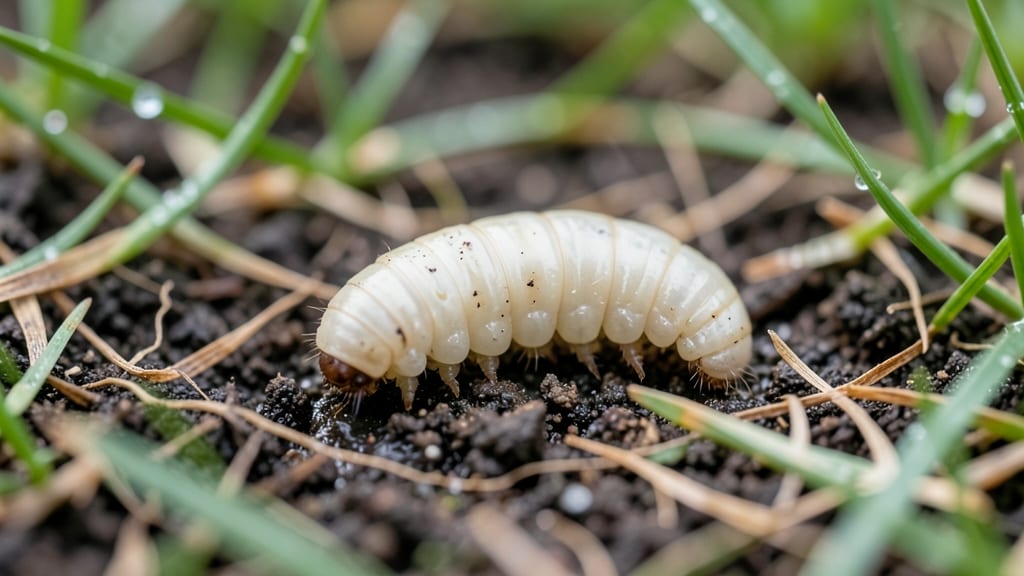
Natural lawn grub control starts with a spray so potent, it works in 24 hours—no chemicals, no harsh fumes, just garlic and chili doing the heavy lifting. 🌱 I’ve battled grubs for years, and this homemade blend is the only thing that’s actually stopped them from turning my lawn into a skeleton of brown patches.
The secret isn’t complicated: grubs hate the strong scents of garlic and chili peppers, and they avoid the capsaicin like it’s poison. You’ll mix these ingredients with water and a touch of dish soap to help them cling to the grass blades.
No fancy equipment needed—just a spray bottle and a little patience. By morning, you’ll see grubs retreating into the soil, and within a week, your lawn will start recovering that rich, green life. The best part?
This spray is safe for kids, pets, and the environment—no more worrying about toxic runoff or harming beneficial insects. Works in any season, but apply it after watering for best results. Let’s get that grub problem under control—naturally.
Root Causes Of Grub Infestations
Grubs—those C-shaped, creamy-white larvae—don’t just appear out of nowhere. They’re the offspring of beetles, and their presence in your lawn is usually the result of a few key factors. Understanding these triggers is the first step to stopping them naturally before they turn your grass into a patchy, brown mess.
Let’s break down the science behind why your lawn becomes a grub buffet.
Grubs thrive in lawns that are too soft, too moist, and too nutrient-rich. Here’s why:
- Excessive Watering: Grubs need moisture to survive, and overwatering creates the perfect damp environment for them to burrow and feed. Think of it like a spa day for grubs—warm, wet, and full of easy meals.
- Actionable Insight: Water deeply but infrequently (1–1.5 inches per week) to encourage deep root growth and reduce surface moisture where grubs hide.
- Over-Fertilizing (Especially Nitrogen): A lawn packed with fast-growing, tender grass blades is like an all-you-can-eat buffet for grubs.
Nitrogen-heavy fertilizers make grass soft and sweet—ideal grub snacks. - Pro Tip: Use a balanced fertilizer (e.g., 10-10-10) and apply it in small, slow doses (spring and fall) instead of heavy winter treatments that grubs love.
- Thatch Buildup: A thick layer of thatch (dead grass, roots, and debris) traps moisture and organic matter, creating a cozy underground hotel for grubs.
- Fix It: Dethatch in early spring or fall using a rake or vertical mower to expose grubs to predators (birds, beetles) and reduce their hiding spots.
Grubs don’t hatch from thin air—they come from Japanese beetles, June bugs, or masked chafer beetles that lay eggs in your lawn. Here’s how it happens:
- Beetle Flight Seasons: Adult beetles emerge in late spring to summer, mate, and lay eggs just below the soil surface (about 1–2 inches deep).
These eggs hatch into grubs in 2–4 weeks. - Key Timing: June–August is peak egg-laying season—this is when prevention (like natural sprays) works best.
- Preferred Lawn Conditions: Beetles target stressed, thin, or newly seeded lawns because the grass is easier to penetrate. They also favor:
- Sunny, well-drained areas (grubs hate soggy or shaded spots).
- Lawns with clover or weak grass (grubs prefer tender roots over tough, healthy blades).
- How Far They Travel: Female beetles can fly up to a mile to find the perfect nesting spot. That means even if your neighbor’s lawn is grub-free, yours could still become a hotspot.
In a healthy ecosystem, grubs are kept in check by birds, toads, moles, and beneficial nematodes. But when these predators disappear, grub populations explode. Common reasons:
- Overuse Of Pesticides: Chemical lawn treatments kill both grubs and their predators, leaving grubs unchecked. Birds avoid treated lawns, and nematodes (tiny worm-like predators) die off.
- Natural Fix: Skip synthetic pesticides and encourage predators with bird-friendly plants (like sunflowers or berry bushes) near your lawn.
- Compacted Soil: Grubs hate aerated soil because it exposes them to predators. Compacted lawns create a grub-safe zone where birds can’t dig and nematodes struggle to move.
- Aerate Smart: Use a core aerator in fall to break up compacted soil and let predators back in.
- Monoculture Lawns: A lawn with only one type of grass (like Kentucky bluegrass) offers no diversity for predator habitats.
Wildflowers, clover, and dandelions attract insects that keep grub populations in balance. - Diversity Boost: Plant native wildflowers or a mix of grass types to support a healthier soil food web.
Grubs are cold-blooded—they’re most active when soil temps are between 60–85°F (15–30°C). This means:
- Southern Lawns: Grubs thrive year-round in warm climates (e.g., Texas, Florida) because soil rarely drops below 60°F.
- Northern Lawns: Grubs are most active in late summer/fall when soil stays warm after hot days.
- Microclimates Matter: South-facing slopes or sunny patches heat up faster, creating grub hotspots even in cooler regions.
Actionable Tip: Mulch heavily in fall in warm climates to cool soil and deter egg-laying beetles.
Why It Matters: Grubs don’t choose your lawn randomly—they’re drawn by weak grass, excess moisture, and lack of predators. The good news? Fixing these issues naturally (like adjusting watering, fertilizing smartly, and inviting predators) can make your lawn less inviting to grubs before they even arrive.
Natural Ways to Stop Grubs Fast
Grubs wreaking havoc on your lawn? Don’t panic—these effective, chemical-free solutions will help you reclaim your green space without harsh pesticides. Below, we’ve matched common grub causes to practical fixes, plus prevention tips to keep your lawn grub-free long-term.
Cause: Grubs thrive in soggy, poorly drained soil where roots can’t breathe. Fix:
- 🔥 Aerate your lawn (rent a core aerator or use a garden fork) to loosen compacted soil. Do this in spring or fall when grubs are active.
- 🌧️ Adjust watering habits: Water deeply 2-3 times per week (early morning) instead of daily light sprinkles. Aim for 1–1.5 inches per week—let the top inch of soil dry between waterings.
- 🍳 Top-dress with compost (¼-inch layer) to improve drainage and add beneficial microbes.
💡 Pro Tip: Test your soil’s drainage by digging a 6-inch hole, filling it with water, and timing how long it takes to drain. If it’s slower than 6 hours, you’ve got poor drainage.
Cause: Weak grass (from fungus, weeds, or poor nutrition) invites grubs to feast. Fix:
- 👨🍳 Overseed bare spots with grub-resistant grass varieties like tall fescue or Kentucky bluegrass in early fall.
- ✂️ Mow high (3–4 inches) to shade out weeds and strengthen grass roots.
- 🌡️ Feed your lawn with a slow-release, organic fertilizer (like compost or alfalfa meal) in early spring and fall to deter grubs naturally.
✨ Bonus: Apply a 1-inch layer of sharp sand or diatomaceous earth (food-grade) to suffocate grubs temporarily while you treat the root cause.
Cause: You’ve spotted white grubs (½-inch C-shaped larvae) tunneling under the grass. Fix:
- 🔪 Handpick grubs (wear gloves!) after watering—they’ll rise to the surface. Drop them in soapy water to kill them.
- 🥘 Spray garlic-chili solution (see recipe below) every 7–10 days for 3 weeks to repel and kill grubs:
- Blend: 2 garlic bulbs + 1 tbsp cayenne pepper + 1 quart water.
- Strain and spray evening (avoid direct sun).
- 🐝 Introduce nematodes (Heterorhabditis bacteriophora)—microscopic predators that eat grubs alive. Apply in early evening with a hose-end sprayer (follow package instructions).
🎯 Prevention: After treatment, mulch with wood chips (not fresh) to deter future grub eggs from hatching.
Grubs lay eggs in late summer/early fall.
Stop the cycle with these year-round habits: - 🍂 Rake up grass clippings after mowing to remove potential egg-laying sites. - 🌿 Plant grub-resistant ground covers like clover or creeping thyme in high-risk areas. - 🕰️ Time your treatments: Apply neem oil spray (1 tbsp per gallon of water) in June–July to disrupt egg-laying.
🚨 Warning: If grubs persist after 2–3 weeks, check for masked chafer or June beetle grubs—they may need repeat nematode treatments or professional help.
Remember: Patience is key—natural methods take 4–6 weeks to fully eliminate grubs, but they keep your lawn safe, lush, and chemical-free! 🌿
Frequently asked questions
How do I know if my lawn has grubs?
Look for thin, patchy grass that pulls up easily (like sod) when tugged. Dig up a small section—if you see ½-inch white, C-shaped larvae in the soil, those are grubs. Other signs include birds digging in your lawn or moles tunneling underground.
Will natural methods work as fast as chemical treatments?
Natural solutions like garlic-chili spray or nematodes take 4–6 weeks to fully eliminate grubs, while chemicals may show results in 1–2 weeks. The trade-off? Chemicals harm beneficial insects and soil—natural methods rebuild your lawn’s ecosystem long-term.
Can I use coffee grounds to repel grubs?
Yes! Sprinkle used coffee grounds (½-inch layer) over your lawn—the caffeine and acidity deter grubs. Reapply every 2–3 weeks during grub season. Bonus: It adds nitrogen and improves soil. Just avoid fresh grounds, which can clump and suffocate grass.
Are nematodes safe for pets and kids?
Beneficial nematodes (Heterorhabditis bacteriophora) target only grubs and larvae, not mammals. They’re non-toxic and break down harmlessly in the soil. Apply in evening with a hose-end sprayer for best results.
Why do grubs keep coming back after treatment?
Grubs often return if you don’t fix the root causes: overwatering, excess nitrogen, or compacted soil. Combine treatments with aeration, proper watering (1–1.5 inches/week), and diverse grass types to break their cycle.