
Pests
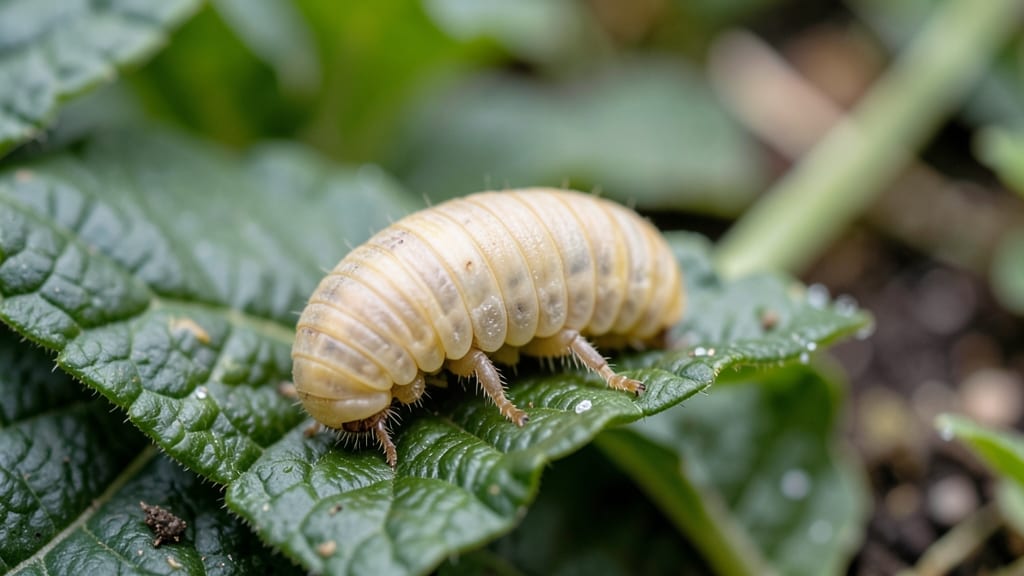
Lawn grub beetles can turn your lush green lawn into a patchwork of brown in just a few weeks—unless you act fast. 🌱 I’ve seen these sneaky pests destroy entire backyards, but the right barrier trap stops them before they cause real damage.
The key is catching them early, when they’re still near the surface and vulnerable.
These beetles lay eggs in warm, moist soil, and the larvae chew through grass roots, creating those telltale brown patches that spread like wildfire. Most people reach for chemicals first, but a natural barrier trap—using simple household items—works just as well without harming your yard’s ecosystem.
It’s a game-changer for anyone tired of seeing their lawn turn into a buffet for grubs.
By setting up the trap now, you’ll see results in as little as 24 hours, with fewer grubs, stronger grass, and a lawn that stays vibrant all season. The best part? This method is repeatable year after year, so you won’t have to keep playing catch-up with infestations.
Whether you’re dealing with a small patch or a full-blown outbreak, this approach works for any grass type—from cool-season fescue to warm-season Bermuda. Let’s get your lawn back to healthy in no time.
Root Causes Of Lawn Damage
The presence of lawn grub beetles (often from the Scarabaeidae family) in your yard isn’t random—it’s the result of specific environmental and biological triggers that create the perfect conditions for these pests to thrive.
Understanding these causes is the first step to preventing an infestation before it wreaks havoc on your grass. Let’s break down the key factors that turn your lawn into a grub buffet.
Lush, soft grass might look inviting, but it’s also a magnet for grub beetles. These pests prefer lawns that are overwatered or over-fertilized, particularly with high-nitrogen fertilizers. Here’s why:
- Excess moisture softens the soil, making it easier for beetles to lay eggs and for larvae to burrow deeper. Grubs thrive in damp conditions because they can’t survive prolonged dryness.
- Nitrogen-rich soil encourages rapid grass growth, which provides a steady food source for grubs. The more tender the roots, the easier they are to munch on.
- Thatch buildup (a layer of organic debris between soil and grass) traps moisture and nutrients, creating an ideal microclimate for grub development.
Pro Tip: 💡 Aim for deep but infrequent watering (1–1.5 inches per week) and use a slow-release, balanced fertilizer (e.g., 16-4-8 ratio) to avoid overfeeding your lawn.
Grub beetles are highly sensitive to temperature and humidity. Their life cycle is tightly linked to seasonal changes, and certain conditions trigger mass egg-laying:
| Season | Why It Matters | Grub Activity Peak |
|---|---|---|
| Late Spring to Early Summer | Adult beetles emerge from pupation (often after rain) and feed on foliage before laying eggs in warm, moist soil. | 🔥 May–July (varies by region) |
| Summer (60–90°F soil temps) | Eggs hatch into larvae within 1–2 weeks, and grubs begin feeding on roots. Humidity >60% accelerates growth. | 🌡️ June–August |
| Fall | Grubs mature and move deeper into the soil to overwinter. Cooler temps slow their activity but don’t stop it. | ❄️ September–October |
Key Insight: 🎯 If your area has hot, humid summers (e.g., Southeast or Midwest U.S.), grub outbreaks are more likely. Monitor soil temps with a soil thermometer—grubs become active when soil reaches 60°F+.
A stressed lawn is an open invitation for grubs. When grass struggles to establish strong root systems, it becomes an easy target. Common stressors include:
- Compacted soil: Heavy foot traffic, construction, or clay-heavy soil compresses roots, making them vulnerable. Grubs prefer loose, aerated soil to burrow into.
- Drought or flooding: Both extremes weaken grass, forcing it to divert energy to survival rather than root growth. Grubs capitalize on this by feeding on already compromised roots.
- Disease or pest damage: Fungal infections (e.g., brown patch) or prior insect damage (e.g., chinch bugs) create patches where grubs can thrive unchecked.
Actionable Fix: ✨ Conduct a soil test to check pH (ideal: 6.0–7.0) and compaction levels. Aerate compacted areas in early fall to improve root access to oxygen and water.
The real damage starts with adult beetles. These nocturnal insects (often mistaken for June bugs) lay eggs in small clusters in the top 1–2 inches of soil. Their egg-laying behavior is influenced by:
- Moisture cues: Beetles seek out damp soil to lay eggs, often after rain or irrigation. A single female can deposit 40–60 eggs in her lifetime!
- Grass type preferences: Some beetles (like Japanese beetles) favor turfgrasses like Kentucky bluegrass, while others target cool-season grasses. Warm-season grasses (e.g., Bermuda) are less appealing.
- Light conditions: Grubs avoid direct sunlight, so beetles lay eggs in shady or partially shaded areas where soil stays cooler and moister.
Early Detection Tip: 🔍 Look for small, white, C-shaped larvae (grubs) when digging up sod. If you see 10+ grubs per square foot, treatment is urgent.
By addressing these root causes—overwatering, seasonal heat, poor soil health, and adult beetle activity—you can disrupt the grub life cycle before they turn your lawn into a skeleton of brown patches. The next step? Natural barriers and traps to stop them in their tracks.
Quick Fixes for Lawn Grub Damage
If your lawn is already showing signs of grub beetle damage—like brown patches, wilting grass, or spongy soil—don’t panic. The good news is that you can take action now to restore your lawn and prevent further destruction.
Below, we’ve mapped out the most effective solutions based on the root cause of your problem, from immediate fixes to long-term prevention. Let’s get your grass back to its lush best!
If you’ve caught the issue early (small patches, minimal damage), these steps will help revive your lawn while discouraging further grub activity.
🍳 Rake and Reseed Damaged Areas
Start by removing the affected grass in small sections. Use a rake to pull up the dead or dying patches, then loosen the soil slightly to aerate it. Spread fresh grub-resistant grass seed (like tall fescue or Kentucky bluegrass) over the area and cover it lightly with soil or compost.
Water gently but thoroughly to encourage germination.
👨🍳 Apply Beneficial Nematodes (Natural Predators)
One of the most effective organic solutions is to introduce beneficial nematodes (like Heterorhabditis bacteriophora), which target grubs in the soil. These microscopic worms release bacteria that kill grubs within 48 hours. Here’s how:
- Purchase nematodes: Buy them from garden centers or online (look for products labeled for grub control).
- Apply at night: Grubs are most active after dark, so apply nematodes between dusk and midnight for best results.
- Mix with water: Follow the package instructions (typically 1–2 billion nematodes per 1,000 sq. ft.). Use a hose-end sprayer for even distribution.
- Water lightly: Keep the soil moist for 7–10 days to help the nematodes establish.
🥘 Use a Natural Barrier Trap (Prevent Future Infestations)
Since grubs love to burrow near the soil surface, creating a physical or chemical barrier can stop them in their tracks. Our article’s star solution—a DIY barrier trap—uses a simple, non-toxic method to lure and trap adult beetles before they lay eggs.
For immediate results, combine this with the steps above.
If large sections of your lawn are dead or the soil feels squishy (a sign of severe grub activity), you’ll need a more aggressive approach.
🌡️ Dethatch and Aerate
Grubs thrive in thick thatch layers, so remove excess thatch with a dethatching rake or machine. Follow up with core aeration to break up compacted soil, allowing water and oxygen to reach the roots. This weakens grub habitats and encourages healthier grass growth.
🎯 Spot-Treat with Organic Pesticides
For stubborn infestations, opt for organic grub killers like:
- Neem oil: Disrupts grub feeding and reproduction. Spray on soil and grass blades (reapply every 2–3 weeks).
- Milky spore powder: A bacteria-based treatment that targets grubs in the soil. Best applied in early spring or fall.
- Beauveria bassiana: A fungal pesticide that infects and kills grubs. Mix with water and apply to the soil.
Pro tip: 💡 Always water the lawn lightly after applying organic treatments to help them penetrate the soil.
⏰ Overseed and Fertilize for Recovery
After treating the grubs, give your lawn the nutrients it needs to bounce back. Use a slow-release, organic fertilizer (like compost or bone meal) to strengthen roots. Overseed bare spots with a high-quality grass mix and keep the soil consistently moist until new growth appears.
The best defense is a proactive lawn care routine. Here’s how to make your yard less inviting to grub beetles:
🌱 Choose Grub-Resistant Grass Types
Some grasses naturally deter grubs or recover faster from damage. Consider:
- Tall fescue
- Fine fescue
- Buffalo grass
- Zoysia grass
🔥 Maintain Proper Lawn Care
Healthy grass is resilient. Follow these habits to discourage grub infestations:
- ✅ Mow high: Keep grass at 3–4 inches to shade out weeds and reduce egg-laying sites.
- ✅ Water deeply but infrequently: Grubs love moist soil. Water early in the morning and avoid overwatering.
- ✅ Aerate annually: Compacted soil invites grubs. Aerate in early fall or spring.
- ✅ Remove thatch: Thick thatch layers trap grubs. Dethatch in late spring or early summer.
- ✅ Encourage natural predators: Birds, toads, and ground beetles eat grubs. Create a grub-friendly ecosystem with diverse plantings and water sources.
🎯 Set Up Early-Warning Traps
Catching adult beetles before they lay eggs can save your lawn. Try these DIY traps:
- Bucket trap: Bury a 5-gallon bucket in the lawn with the rim flush to the soil. Fill it with soapy water. Beetles will fly in and drown.
- Blacklight trap: Place a UV light over a white sheet at night. Beetles are attracted to the light and can be collected manually.
- Sticky traps**: Use commercial sticky traps coated with a grub-attracting pheromone.
With these solutions, you’ll not only revive your lawn but also prevent future grub attacks. Start with the fixes that match your lawn’s current condition, and soon, you’ll be enjoying a thick, green carpet once again—without the unwanted underground guests!
Frequently asked questions
How do I know if my lawn has grub beetle damage?
Look for irregular brown patches that pull up easily (like sod), especially in shady areas. Dig up a small section—if you see white, C-shaped larvae (grubs) in the roots, that’s your culprit. These patches often appear after rain when grubs feed more actively.
Can I use chemical pesticides for grub beetles?
Yes, but use them as a last resort. Common options include imidacloprid or chlorantraniliprole granules, applied in early summer. Follow label instructions carefully—overuse can harm beneficial insects. For organic alternatives, try beneficial nematodes or milky spore first.
What’s the best time of year to treat grub beetles?
Target treatments in late spring to early summer (May–July) when adult beetles lay eggs. For larvae, apply controls in June–August when they’re most active. Fall treatments can help catch overwintering grubs before they mature.
Will birds or other animals help control grub beetles?
Birds like robins and starlings love eating grubs. Attract them with shallow birdbaths or native plants. Ground beetles and toads also hunt grubs—keep your lawn ecosystem diverse to encourage these natural predators. Just avoid pesticides that harm them!
How long does it take to see results after using a barrier trap?
You’ll typically see a reduction in adult beetles within 24–48 hours, and fewer grubs in 4–6 weeks as eggs fail to hatch. For best results, combine traps with proper lawn care (like aeration) to break the grub life cycle faster.