
Lawn
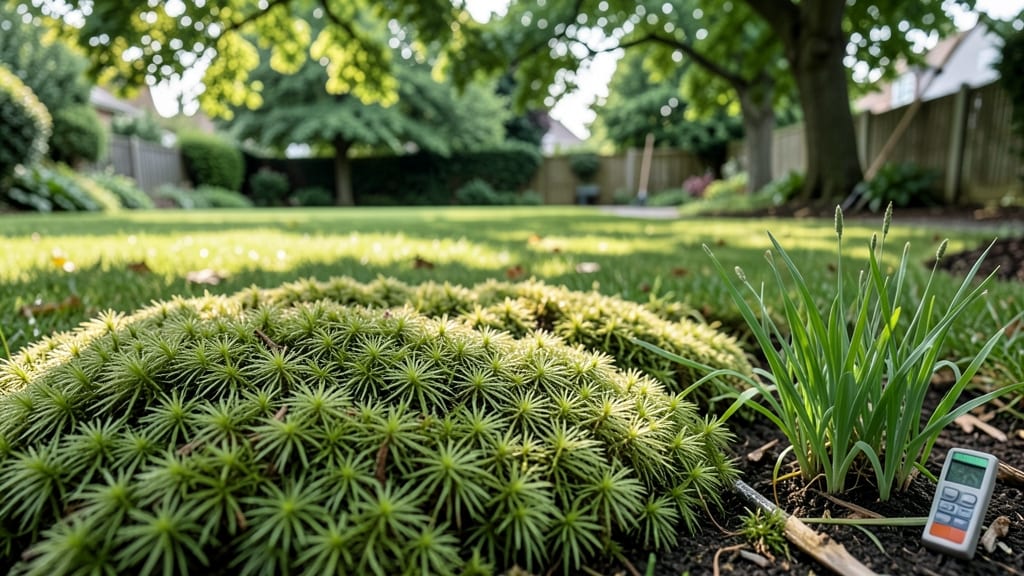
A lawn full of moss isn’t just unsightly—it’s a sign your soil is crying out for help. 🌱 The good news? You can restore balance in just 3 days with the right approach, no harsh chemicals needed.
My own mossy lawn transformed after targeting the real issues: compacted soil, low pH, and poor drainage. The root cause is almost always acidic soil combined with shade or poor airflow. Moss thrives where grass struggles, so fixing it means improving conditions for your lawn first.
Start by testing your soil pH—most moss problems disappear when you raise it to 6.0-7.0 using lime or wood ash. You’ll see fresh grass sprouting within 7-10 days as the soil pH stabilizes.
The key is consistency: aerate annually, overseed with shade-tolerant grass, and keep the thatch under ½ inch thick. This isn’t a quick fix—it’s a long-term upgrade for a lush, moss-free lawn.
Overseeding with fine fescue or creeping red fescue gives you the best chance to outcompete moss naturally. These grasses handle shade and acidic conditions better than standard lawn blends. Just scatter seed after aerating, water lightly for 14 days, and watch the moss retreat as grass fills in.
For stubborn patches, a light raking removes moss without damaging soil structure. The goal isn’t to eradicate moss entirely—it’s to create an environment where grass thrives instead. With the right balance, your lawn will stay green, resilient, and free of that spongy take-over.
The Hidden Triggers Behind Green Creep
If your lawn is slowly turning into a plush, emerald carpet of moss instead of lush grass, you’re not alone—this sneaky problem has specific causes rooted in science. Understanding why moss thrives in your yard is the first step to reclaiming it.
Let’s break down the key factors driving this shift, so you can tackle them head-on.
🌧️ Too Much Shade & Poor Sunlight
Moss loves shade like a cat loves a sunbeam—it thrives where grass struggles. Grass needs 4–6 hours of direct sunlight daily to photosynthesize and outcompete moss. When trees, buildings, or even dense shrubs block sunlight, grass weakens, while Hypnum imponens (a common moss species) spreads unchecked.
Moss spores lie dormant in soil until shade creates the perfect low-light environment for them to germinate.
Actionable insight: If your lawn has patches in deep shade, consider replacing moss-prone areas with shade-tolerant grasses like Fine Fescue or Creeping Red Fescue. For extreme shade, ground covers or mulch might be a better long-term solution.
💦 Excess Moisture & Drainage Issues
Moss is the ultimate water lover—it thrives in consistently damp or soggy conditions that grass despises. Poor drainage, compacted soil, or heavy clay can trap moisture, creating a moss-friendly microclimate.
Even well-drained lawns can develop moss if they’re overwatered or lack airflow (like in tight, thatchy grass). Moss spores need high humidity to colonize, so wetter = mossier.
Science note: Moss lacks true roots, so it absorbs water through its leaves via capillary action. This makes it resilient in waterlogged spots where grass roots suffocate from lack of oxygen.
Fix it: Test your soil’s drainage with a simple percolation test (dig a 6-inch hole, fill with water, and time how long it drains). Amend compacted soil with organic matter (compost or sand) to improve aeration. Reduce watering frequency—grass recovers faster from drought than moss does!
🍋 Acidic Soil pH Imbalance
Most grasses prefer a neutral to slightly acidic soil pH (6.0–7.0), but moss? It loves acidic conditions, thriving in pH levels as low as 4.0–5.5.
Over time, organic debris (like fallen leaves or pine needles) decomposes and lowers pH, while lime (a common grass soil amendment) can raise it. If your soil is acidic, moss will dominate because it’s better equipped to absorb nutrients in those conditions.
Test your pH: Use a DIY soil test kit or send a sample to a local extension office. If pH is below 6.0, lime (calcium carbonate) is your best friend—it neutralizes acidity and gives grass a fighting chance.
Pro tip: 🌡️ Timing matters! Apply lime in early fall or spring when grass can absorb it efficiently. Avoid over-limeing, which can make soil too alkaline and harm microbes.
🪴 Lack of Competition & Thin Grass
Moss spreads aggressively in bare or thinning grass because it has no competition. Weak grass can result from:
- Poor fertilization: Grass needs nitrogen, phosphorus, and potassium to grow thick. Without it, moss fills the gaps.
- Disease or pests: Fungal infections (like brown patch) or grubs can kill grass, leaving moss-free zones for spores to invade.
- Foot traffic or wear: High-traffic areas (like pet paths or play zones) compact soil, smothering grass roots and inviting moss.
Moss spores are everywhere—in your soil, on tools, even in the air. They only take hold when grass is stressed or absent.
Rebuild your lawn: Overseed thin areas in early fall with a moss-resistant grass mix (like Kentucky Bluegrass or Tall Fescue). Aerate compacted soil to help grass roots breathe and outcompete moss.
🌬️ Low Airflow & Thatched Buildup
Grass needs airflow to stay healthy—thatch (a layer of dead grass, roots, and debris) acts like a blanket, trapping moisture and blocking sunlight. Thatch thicker than ½ inch creates the perfect moss incubator. Without airflow, thatch decomposes slowly, stays damp, and lowers soil pH over time, further encouraging moss growth.
Break the cycle: Dethatch your lawn in late spring or early summer using a manual rake or vertical mower. Follow up with core aeration to reduce compaction and improve airflow.
Revive Your Lawn Naturally
A lawn blanketed in moss isn’t just unsightly—it’s a sign your grass is struggling to thrive. But the good news? With the right approach, you can restore a lush, green lawn in just days. The key lies in addressing the root causes—literally—by balancing pH, improving drainage, and encouraging grass growth.
Below, we’ll break down the most effective solutions, tailored to your lawn’s specific issues, along with prevention tips to keep moss at bay for good.
Moss thrives in acidic conditions (pH below 6.0), while most grasses prefer a neutral to slightly acidic range (6.0–7.0). If your soil is the culprit, lime is your best friend.
🔥 Step 1: Test Your Soil
Before treating, confirm the pH with a soil test kit (available at garden centers). If the results show acidity, proceed with lime.
🍳 Step 2: Apply Dolomitic Lime
- Spread: Use 50–100 lbs of lime per 1,000 sq ft, depending on severity.
A broadcast spreader works best. - Water: Lightly water the lawn to help lime penetrate the soil. - Wait: Allow 3–7 days for the lime to adjust the pH. Retest if moss persists.
💡 Pro Tip:
- Spring or fall are the best times to apply lime—avoid summer heat, which can stress grass.
- Avoid quicklime (calcium oxide)—it’s too harsh for lawns; stick with dolomitic lime for balanced results.
Shady, compacted, or poorly drained areas create the perfect moss paradise. Break up the cycle with these fixes:
👨🍳 Step 1: Aerate the Lawn
- Rent or buy a core aerator to pull small soil plugs (1/2"–3/4" deep).
- Focus on: Thick moss patches or areas where water pools.
- Frequency: Do this once a year (spring or fall) for best results.
🥘 Step 2: Top-Dress with Sand or Compost
- Mix: Spread a 1/4" layer of coarse sand or compost over aerated spots.
- Rake lightly to blend into the soil.
- Water: Keep moist for 2–3 days to help it settle.
✨ Pro Tip:
- Sand alone improves drainage but lacks nutrients—compost adds organic matter for long-term health.
- If your lawn has clay soil, mix in sand and peat moss (50/50) for better water flow.
Moss outcompetes grass in low-light zones. Strengthen your turf with these strategies:
🔪 Step 1: Overseed with Shade-Tolerant Grass
Choose fine fescue, Kentucky bluegrass, or creeping red fescue—they handle shade better than turf-type tall fescue.
- Best time: Late summer to early fall (when soil is warm but air is cool).
- Method: Use a slit-seeder for even distribution.
🌡️ Step 2: Fertilize for Thicker Grass
Apply a slow-release, nitrogen-rich fertilizer (like 16-4-8) in early spring and fall.
- Avoid: High-phosphorus fertilizers—they encourage moss growth.
- Rate: Follow package instructions (typically 0.5–1 lb of nitrogen per 1,000 sq ft).
🎯 Pro Tip:
- Mow high (3–4 inches) in shady areas—taller grass shades out moss better.
- Dethatch if moss layers are thick (use a rake to pull it out before overseeding).
Once you’ve treated the lawn, keep moss from staging a comeback with these long-term strategies:
| Problem | Solution | When to Do It |
|---|---|---|
| Compacted soil | Aerate + top-dress with sand/compost | Spring or fall |
| High acidity | Reapply lime every 2–3 years | Early spring |
| Poor drainage | Install French drains or swales | After heavy rains |
| Thin grass | Overseed + fertilize annually | Late summer/fall |
| Excess shade | Trim overhanging trees/branches | Winter (dormant season) |
💡 Bonus Prevention Tips:
- Walk on paths (not the lawn) to avoid compacting soil.
- Rake up moss clumps before they spread—don’t let them decompose into the soil.
- Improve air circulation by spacing plants and shrubs properly.
With these targeted fixes, your mossy lawn can transform into a vibrant, healthy green space in just days. The secret? Balance pH, improve drainage, and give grass a fighting chance—then maintain it with smart care. 🌿✨
Frequently asked questions
Why does moss grow so fast in my lawn?
Moss spreads quickly because it thrives in shady, damp, and acidic conditions where grass struggles. Unlike grass, moss doesn’t need deep roots or sunlight—it absorbs water through its leaves and grows aggressively when soil stays moist for long periods. The combination of poor drainage, compacted soil, and low pH creates the perfect environment for moss to take over within weeks.
Can I just rake out the moss and expect grass to grow back?
Raking removes the visible moss, but it won’t fix the underlying issues like acidic soil or poor drainage. Without addressing these, grass won’t establish properly, and moss will return. First, aerate, apply lime to adjust pH, and overseed with shade-tolerant grass. This two-step approach gives your lawn a real fighting chance.
Is lime the only way to fix acidic soil?
Lime is the most effective and common solution, but you can also use wood ash (sparingly) or composted manure to raise pH naturally. However, lime provides faster, more consistent results. Always test your soil first—some lawns need both lime and organic matter to restore balance for grass growth.
Will moss come back if I don’t maintain my lawn?
Absolutely—moss is persistent! Without ongoing care (like annual aeration, proper watering, and fertilization), the conditions that allowed moss to thrive in the first place will return. Think of it like weeds: once you remove them, they’ll come back unless you change the environment. Consistent maintenance is key to keeping moss at bay long-term.
Can I use vinegar or other household products to kill moss?
Vinegar or bleach might kill moss temporarily, but they’ll also harm grass and beneficial soil microbes. The real solution is to improve soil conditions so grass outcompetes moss naturally. Chemical treatments create a short-term fix while damaging your lawn’s long-term health. Stick to lime, aeration, and overseeding for lasting results.