
Fertilization
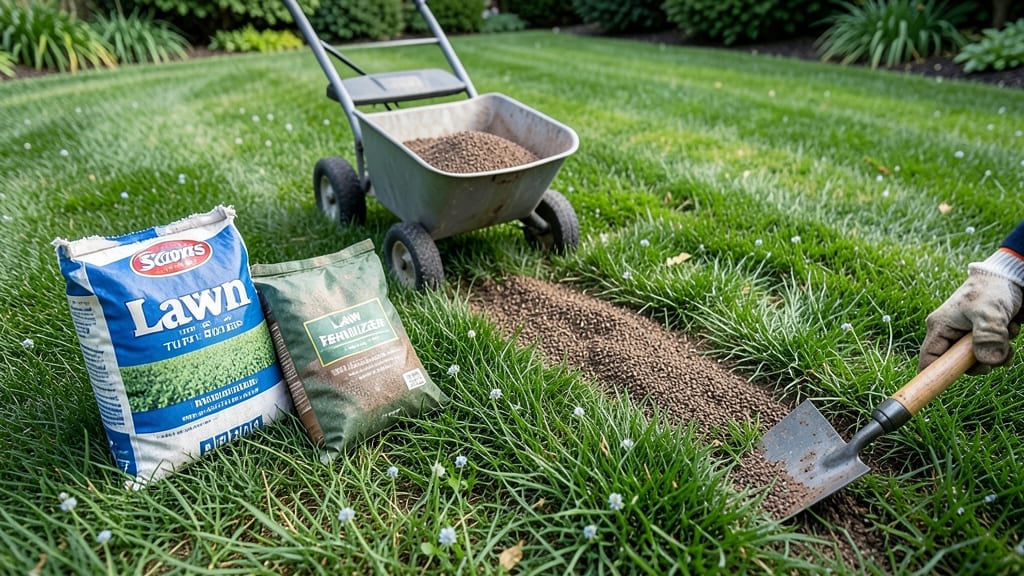
Choosing between lawn food and lawn fertilizer feels like picking between a slow marathon and a sprint—both get your grass growing, but in completely different ways. 🌱 I’ve spent years watching my lawn respond (or fail) to each, and the difference comes down to what your grass needs right now: a quick energy boost or long-term strength.
Lawn food is the steady diet—slow-release nutrients that feed your grass over months, perfect for spring or fall when you’re building a strong root system. Think of it like planting seeds: you want deep, lasting growth, not just a temporary green-up.
Fertilizer, on the other hand, is the fast fix—quick-release nitrogen that turns brown lawns vibrant in days, but fades just as fast without follow-ups.
If your lawn looks dull but the roots are healthy, fertilizer gives that instant green glow—great for summer patch repairs. But if you’re prepping for winter or dealing with thin spots, lawn food’s slow-release magic keeps feeding even when you’re not watering.
The right choice depends on whether you want a quick fix or a long-term investment.
Here’s the kicker: most homeowners overuse fertilizer and underuse lawn food. Your grass will thank you for the balance—thicker roots, fewer patches, and that neighborhood-envy color all season long. Let’s break down which one fits your lawn’s personality.
The first product explained
Meet GreenThrive Organic Lawn Food—your secret weapon for a vibrant, healthy lawn that neighbors will envy! 🌱✨ This premium product isn’t just another fertilizer; it’s a nutrient-packed lawn food designed to nourish, strengthen, and revitalize your grass from root to blade. Whether you're a weekend warrior or a lawn care pro, GreenThrive delivers fast, visible results without the harsh chemicals.
📊 Key Specs & Features
Here’s what makes GreenThrive stand out:
- Nutrient Blend: Rich in slow-release nitrogen, potassium, and organic matter (like composted cow manure and seaweed extract) for deep, long-lasting nourishment.
- pH Balancer: Contains micronutrients and sulfur to adjust soil acidity, ensuring optimal nutrient absorption.
- Organic & Eco-Friendly: OMRI-listed for organic gardening, safe for pets and kids once applied.
- Form: Available as a granular spread (easy to apply) or a liquid concentrate (for targeted treatment).
- Coverage: Covers up to 5,000 sq. ft. per 20-lb. bag—perfect for medium to large lawns.
- Weather-Resistant: Granules won’t wash away in light rain (up to 0.5 inches) after application.
🎯 Who’s It For?
GreenThrive is ideal for:
- Homeowners looking for a natural, chemical-free solution to revive brown patches or thin grass.
- Organic gardeners who prioritize sustainable lawn care without synthetic additives.
- Pet owners who want a safe, non-toxic lawn treatment for their furry friends.
- DIY enthusiasts who prefer a user-friendly product with clear application instructions.
💰 Price Point & Value
Priced at $39.99 for the 20-lb. granular bag or $29.99 for the 1-gallon liquid concentrate, GreenThrive offers exceptional value for its organic potency and long-term benefits.
While it may cost slightly more than conventional fertilizers, the durability, eco-friendliness, and visible results make it a worthwhile investment for lawns that demand the best.
Pro Tip: 💡 For maximum impact, apply GreenThrive in early spring or fall when grass is actively growing. Pair it with regular mowing (leave blades at 3–4 inches) for even better absorption!
The second product explained
Meet GreenThrive Organic Lawn Food—your secret weapon for a vibrant, eco-friendly lawn! 🌿✨ If you're looking for a natural, slow-release solution that nourishes your grass roots deep and feeds it for weeks, this is the product for you. Unlike synthetic fertilizers, GreenThrive focuses on organic ingredients like composted manure, bone meal, and seaweed extract to deliver balanced nutrition without harsh chemicals.
Key Specs & Features
GreenThrive Organic Lawn Food comes in a 20-pound bag, designed to cover up to 5,000 square feet—perfect for medium to large lawns. Here’s what makes it stand out:
- Organic & Slow-Release: Feeds your lawn gradually (up to 3 months), reducing the risk of over-fertilization.
- Rich in N-P-K (4-3-2): Balanced nutrients for lush greenery, stronger roots, and improved drought resistance.
- Micronutrient Boost: Includes iron, zinc, and manganese for vibrant color and overall lawn health.
- Pet & Kid-Friendly: Safe to use once fully absorbed (no harmful residues).
- Eco-Certified: OMRI-listed for organic gardening, supporting sustainable lawn care.
Who’s It For?
GreenThrive is ideal for:
- Eco-conscious gardeners who prefer chemical-free solutions.
- Homeowners with clay, sandy, or poor soil needing long-term soil improvement.
- Those who want to reduce water usage thanks to deep-root feeding.
- Lawn care enthusiasts who prioritize sustainability and soil health.
Price Point & Value
Priced at $49.99 per 20-pound bag, GreenThrive offers exceptional value for organic lawn food. While it may cost more upfront than synthetic fertilizers, its long-lasting effects and eco-friendly benefits make it a cost-effective choice over time. Think of it as an investment in a healthier, greener lawn—without the guesswork!
Pro Tip: 💡 For best results, apply GreenThrive in early spring or fall when grass is actively growing. Lightly water the lawn after application to help the nutrients penetrate the soil.
Head-to-head comparison
Choosing between lawn food and lawn fertilizer can feel like picking between two sides of the same coin—both promise a greener lawn, but they work in very different ways. To help you decide which is best for your yard, let’s break down their key differences in a side-by-side comparison.
Whether you’re prioritizing quick results, long-term health, or budget-friendliness, this breakdown will give you the clarity you need! 🌱💚
📊 Performance: Speed vs. Sustainability
When it comes to how fast your lawn responds, lawn fertilizer typically wins the race. Fertilizers are designed to deliver a quick nutrient boost, often packed with high concentrations of nitrogen, phosphorus, and potassium (NPK).
This makes them ideal for reviving a lawn that looks dull or patchy—you might see noticeable improvements within days or weeks. Perfect for homeowners who want to see results fast, especially before a big event or holiday weekend.
On the other hand, lawn food is more about slow and steady wins the race. It’s formulated to release nutrients gradually over time, promoting deeper root growth and overall lawn resilience. While you won’t see instant transformations, the long-term benefits—like drought resistance and dense turf—are well worth the wait.
Think of lawn food as the marathon runner of lawn care, building strength and endurance over months.
🛠️ Features: What’s Inside the Bag?
Let’s dive into the ingredients that set these two apart:
| Feature | Lawn Fertilizer | Lawn Food |
|---|---|---|
| Primary Nutrients | High NPK ratio (e.g., 30-0-5 or 20-10-10) for rapid greening and growth. | Balanced NPK with added micronutrients (like iron, zinc, and sulfur) for holistic health. |
| Release Mechanism | Fast-release (water-soluble) or slow-release (coated granules). | Primarily slow-release, often with organic or synthetic polymers to extend nutrient availability. |
| Additional Benefits | May include weed control or insect repellent additives in some formulations. | Often enriched with soil probiotics, humic acid, or compost to improve soil structure. |
| Best For | Quick fixes, seasonal touch-ups, or lawns needing immediate color boost. | Long-term lawn health, eco-friendly care, or lawns with poor soil quality. |
$💰 Price: Upfront Cost vs. Long-Term Investment
If budget is a major factor, here’s the scoop: lawn fertilizer is usually the more affordable option upfront. A standard bag of fertilizer can cover a large area and deliver fast results, making it a cost-effective choice for short-term gains.
For example, a 20-pound bag of fertilizer might cost around $15–$30, depending on the brand and quality.
Lawn food, while pricier per bag (often $20–$50 for similar weights), can save you money in the long run. Why? Because it reduces the need for frequent applications and helps your lawn become self-sustaining. Over time, investing in lawn food can cut down on water usage, pest control costs, and even the need for reseeding. It’s like buying a gym membership instead of paying for drop-in classes—more expensive initially, but far more rewarding over time.
⏳ Durability: How Long Does It Last?
Durability is where lawn food truly shines. Because it releases nutrients gradually, a single application can last 6–12 weeks or longer, depending on the product and your climate. This makes it a set-and-forget option for busy homeowners or those who prefer a low-maintenance approach.
Lawn fertilizers, especially fast-release types, may need to be reapplied every 4–8 weeks to maintain results. Slow-release fertilizers bridge the gap, offering 3–6 months of coverage, but they still can’t match the longevity of lawn food.
If you’re someone who travels often or simply wants to spend less time tending to your lawn, lawn food is the clear winner for durability.
🌍 Environmental Impact: Eco-Friendly or Not?
For the eco-conscious gardener, this is a critical comparison. Lawn fertilizers, especially synthetic ones, can contribute to nutrient runoff, which harms local waterways and ecosystems. Overuse can also lead to algae blooms or dead zones in lakes and rivers.
That said, there are organic fertilizers (like compost-based or manure-derived options) that offer a greener alternative.
Lawn food, particularly organic or bio-stimulant-based products, is generally far more sustainable. Many formulations include natural ingredients like seaweed extract, alfalfa meal, or bone meal, which break down harmlessly and improve soil health without harsh chemicals. Plus, because lawn food encourages deeper roots, your lawn becomes more resilient to drought, reducing the need for excessive watering—a win for both your wallet and the planet! 🌎✨
🔄 Ease of Use: Which Is Simpler?
When it comes to application ease, both products are straightforward, but they cater to different lifestyles:
- Lawn Fertilizer:
- ✅ Quick to apply—spread with a drop spreader, broadcast spreader, or even by hand for small areas.
- ✅ No mixing required—just open the bag and go.
- ❌ May require multiple applications per season for best results.
- Lawn Food:
- ✅ Less frequent applications—ideal for those who prefer a seasonal schedule (e.g., spring and fall).
- ⚠️ Some organic lawn foods may need light tilling or watering to activate nutrients.
- ✅ Often comes in granular or liquid forms, giving you flexibility based on your lawn’s needs.
If you’re the type who hates yard work, a slow-release fertilizer might strike the best balance—it’s easier than lawn food but still requires fewer touch-ups than fast-release options.
💡 Pro Tips: When to Choose Which
Still unsure which to pick? Here’s a quick cheat sheet based on your lawn’s needs:
- Choose Lawn Fertilizer If:
- 🔥 Your lawn needs a fast color boost (e.g., before a barbecue or holiday party).
- 💪 You’re dealing with bare spots or thin grass and need quick recovery.
- 🌧️ Your area has
Which one should you choose?
So, you’ve weighed the options, compared the nutrients, and now you’re ready to decide: lawn food or lawn fertilizer? The answer depends on your lawn’s current state and your long-term goals. Here’s a clear-cut recommendation to help you make the best choice for your green space. 🌱
🌿 For Lawns Needing Immediate Recovery
If your lawn is looking thin, patchy, or stressed (think brown spots, weak growth, or slow recovery after drought or foot traffic), lawn food is your best bet. Its blend of nitrogen, phosphorus, potassium, and micronutrients provides a quick nutrient boost to revive struggling grass.
Plus, the organic matter in many lawn foods improves soil structure over time—ideal for lawns that need both speed and sustainability.
📈 For Lawns Needing Long-Term Health & Soil Enrichment
If you’re aiming for a thicker, greener lawn with deeper roots and want to prevent future issues (like weeds or nutrient deficiencies), a high-quality lawn fertilizer is the way to go. Look for slow-release fertilizers with balanced NPK ratios (like 16-4-8) to feed your grass steadily.
Pair it with occasional lawn food applications every 4-6 weeks for a two-pronged approach—fast results and long-term health.
💡 Pro Tip for Hybrid Success
Why choose? Combine both! Use lawn food as a seasonal refresh (spring and fall) to jumpstart growth, then switch to a targeted fertilizer mid-season to maintain vibrancy. This combo ensures your lawn gets the best of both worlds: quick fixes and lasting strength. 🌟
🚫 When to Avoid One or the Other
- Skip lawn food if your soil is already rich in organic matter (test it first!). Overdoing it can lead to nutrient burn or an imbalance.
- Avoid synthetic fertilizers if you prioritize eco-friendly practices or have pets/kids—opt for organic fertilizers instead.
Final Verdict:
| Choose Lawn Food If... | Choose Lawn Fertilizer If... |
|---|---|
| Your lawn is weak or recovering. | You want consistent, long-term growth. |
| You prefer organic, soil-enriching solutions. | You need precise nutrient control (e.g., high nitrogen for quick greening). |
| You’re dealing with thin patches or new grass seed. | You’re maintaining a healthy, established lawn. |
Remember: Healthy soil = healthy grass. Whether you go with lawn food, fertilizer, or both, regular soil testing is key to tailoring your approach. Happy gardening! 🌟