
Lawn
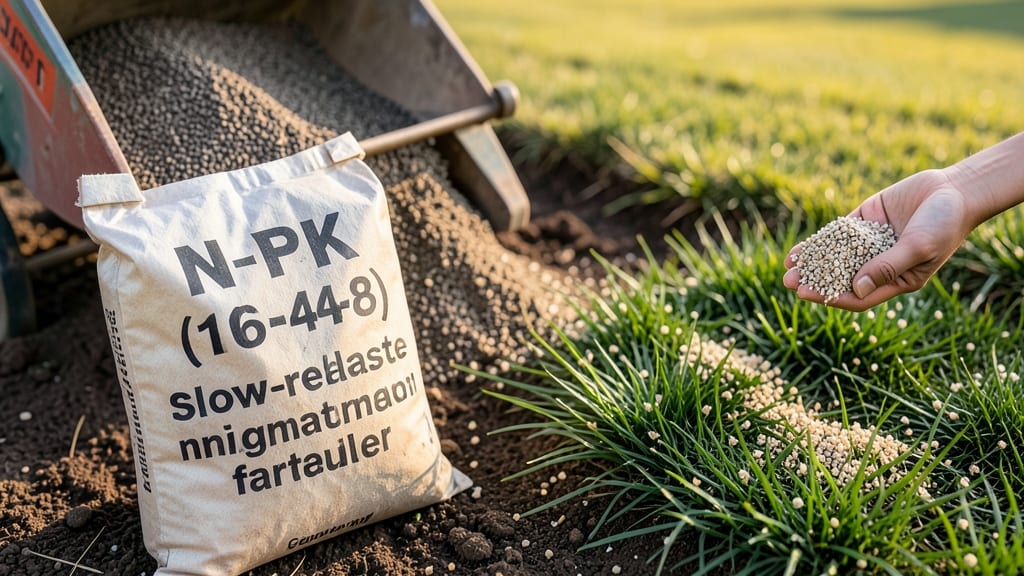
Lawn food is not the same as fertilizer—it combines nutrients with seed, soil amendments, and sometimes lime or sand to promote grass growth and root development, while fertilizer focuses solely on delivering essential nutrients like nitrogen, phosphorus, and potassium.
Lawn food serves a dual purpose: it nourishes your grass while simultaneously establishing new growth through included seeds and soil enhancers.
Unlike traditional fertilizer, which delivers concentrated nutrients to existing plants, lawn food creates an optimal environment for both established and emerging grass. This combination makes it ideal for overseeding projects in early spring or fall, when you want to thicken sparse areas or repair damaged lawns. 🌱
Think of fertilizer as a vitamin shot—quick nutrients for immediate results—while lawn food acts like a comprehensive garden package.
It includes everything from slow-release nutrients to soil conditioners that improve structure, ensuring your lawn gets both what it needs to thrive and what it needs to grow stronger roots over time.
💡 In This Article
- Key Ingredient Differences Between Lawn Food and Fertilizer
- When to Use Lawn Food vs. Fertilizer for Healthier Grass
Key ingredient differences between lawn food and fertilizer
Lawn food stands out because it's essentially a multi-purpose blend designed to jumpstart grass growth while improving soil health.
While traditional fertilizer delivers concentrated nitrogen (N), phosphorus (P), and potassium (K)—the classic NPK trio—lawn food adds grass seed varieties, soil amendments like gypsum or compost, and sometimes lime or sand to adjust pH and texture.
This combination creates a self-contained solution for both repair and maintenance, unlike fertilizer which only feeds existing plants.
The seed component is where lawn food truly differs. Most products contain 10-30% grass seed by volume, often a mix of cool-season grasses (like Kentucky bluegrass or fescue) and warm-season varieties (such as Bermuda or Zoysia) depending on climate.
These seeds germinate within 7-21 days under ideal conditions, creating new growth while the nutrients in the blend support root development. Fertilizer, by contrast, contains 0% seed—its sole purpose is to deliver nutrients without encouraging new plant establishment.
Soil conditioners in lawn food play a critical role too. Gypsum (calcium sulfate) helps break up compacted soil, while compost or peat moss improves water retention and microbial activity. Some premium blends even include mycorrhizal fungi, which form beneficial relationships with grass roots to enhance nutrient uptake.
These additives are absent in standard fertilizer formulations, which focus purely on NPK ratios without considering soil structure or long-term health.
Another key distinction lies in the lime and sand sometimes included in lawn food. Lime raises soil pH for acidic lawns (common in regions with pH below 6.0), while sand improves drainage in heavy clay soils.
Fertilizer may include lime as a filler in some slow-release formulations, but it's never combined with sand or other soil amendments. This makes lawn food particularly valuable for overseeding projects where you're addressing multiple issues simultaneously—bare spots, soil compaction, and nutrient deficiencies.
Consider this real-world example: If you're repairing a thin lawn in early spring, lawn food provides both the seeds to fill bare patches and the nutrients to support new growth. A standard fertilizer would only feed existing grass, leaving those bare spots unaddressed.
The seed component in lawn food ensures continuous coverage, while the soil amendments create conditions where those seeds can thrive—something fertilizer simply can't achieve.
For gardeners who prefer customization, some lawn food products offer DIY blending options, allowing you to mix your own seed varieties with pre-measured nutrients. This level of control is impossible with fertilizer, which comes in fixed NPK ratios without any seed or soil amendment components.
The flexibility makes lawn food particularly appealing for those tackling large restoration projects or working with specific grass types.