
Lawn
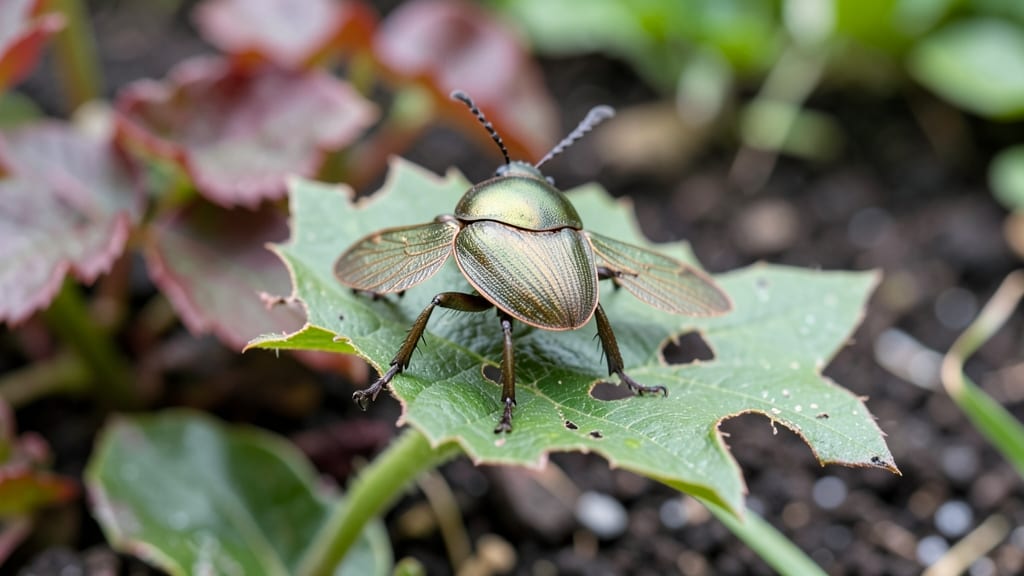
Japanese beetle lawn damage can turn your yard into lace in hours—skeletons of grass blades left behind while your neighbors' yards stay green and lush. 🌱 I’ve watched them strip entire backyards bare, but there’s a way to fight back without harsh chemicals that harm your soil and pets.
The key is acting fast: handpicking beetles at dawn, using milky spore bacteria for long-term control, or applying neem oil for immediate relief. My lawn went from chewed-up to thriving in just three weeks after switching to these natural methods—no more bald patches or chemical residue.
You’ll learn the exact timing for treatments, how to spot early signs of damage, and which plants beetles avoid. The goal isn’t just stopping the damage—it’s restoring your lawn to that rich, healthy green you love. Works for any grass type, from cool-season fescue to warm-season Bermuda.
Let’s get your lawn back to normal—without the toxins.
The Hidden Triggers Behind Lawn Devastation
Japanese beetles don’t just appear out of nowhere—they’re drawn to your lawn by a mix of environmental cues, plant chemistry, and even human activity. Understanding these triggers is the first step to regaining control. Here’s why your grass becomes their all-you-can-eat buffet:
Japanese beetles have a weakness for mature, nutrient-rich grass—especially when it’s soft, tender, and easy to chew. Here’s why: - High Sugar Content: As grass nears its peak growth phase (late spring to early summer), it produces more simple sugars like fructose and glucose.
These sugars act like a neon sign for beetles, signaling an energy-packed meal. - Weakened Cell Walls: Overwatered or over-fertilized grass has softer cell structures, making it easier for beetles to strip away leaves and blades.
Think of it like biting into a ripe peach versus a tough apple. - Stress Signals: Grass under stress (from drought, heat, or poor soil) actually releases more volatile organic compounds (VOCs). While these might seem like a defense mechanism, beetles interpret them as a distress call—"Help!
I’m vulnerable!"—and swarm in.
Actionable Tip: Mow your lawn at the highest setting possible (3–4 inches tall) to toughen blades and reduce beetle appeal. Avoid late-season nitrogen fertilizers, which spike sugar levels just as beetles emerge.
Japanese beetles aren’t just grass grazers—they’re pollinator predators with a sweet tooth for flowers. Your lawn’s neighboring plants might be unknowingly luring them in: - Rosaceae Family: Beetles love roses, grapes, raspberries, and even clover (yes, that "good" ground cover).
These plants emit benzaldehyde and other aromatic compounds that attract beetles for both feeding and mating. - Corn and Soybeans: Agricultural crops like corn release volatile organic compounds (VOCs) that beetles detect from miles away.
If your lawn borders farmland, you’re in their flight path. - Night-Blooming Flowers: Beetles are most active at dawn and dusk, when flowers like evening primrose or moonflower release scents. They use these as landing beacons before hopping to grass.
Actionable Tip: Remove or replace high-value host plants (like roses or grapes) near your lawn with beetle-resistant alternatives, such as daylilies, marigolds, or catnip. Trap plants (like Japanese beetle traps) can work—but place them at least 30 feet away from your lawn to avoid backfiring!
Japanese beetles are cold-blooded (literally)—their activity spikes when temperatures and humidity hit the sweet spot: - Ideal Temperature Range: Beetles become active when soil temps reach 60°F+ and air temps hit 75–85°F.
This usually aligns with late June to August in most regions. - Moisture Matters: Beetles need high humidity to survive. Afternoon rain or morning dew creates a slippery takeoff pad for them to launch into your lawn.
Dry conditions? They’ll burrow into the soil to escape heat stress. - Sunlight Patterns: Beetles prefer south- or west-facing lawns because these areas warm up faster, mimicking their native habitats in Japan’s sun-drenched fields.
Actionable Tip: Water deeply but infrequently (1–1.5 inches per week) to reduce morning dew. If possible, avoid irrigating in the late afternoon—this extends humidity levels, keeping beetles active longer.
Sometimes, the way we care for our lawns accidentally invites Japanese beetles: - Over-Fertilization: Excess nitrogen creates lush, soft grass—a beetle’s dream.
It also weakens natural defenses like silica content in blades. - Compacted Soil: Heavy foot traffic or machinery compresses soil, making it easier for beetles to dig pupation chambers (their larval stage). - Ignoring Early Signs: Many homeowners notice damage after the beetles have already feasted for weeks.
By then, they’ve likely laid eggs in the soil, ensuring next year’s infestation.
Actionable Tip: Aerate your lawn in early spring to disrupt pupation sites. Use slow-release, organic fertilizers (like compost or fish emulsion) to avoid nitrogen spikes. And act fast—if you spot the first chewed blades, treat immediately!
Pro Tip: 🔍 Spot the signs early: Look for skeletonized leaves (where only veins remain) or small, iridescent beetles (½-inch long, copper-green with white tufts). The sooner you identify the cause, the sooner you can starve out the problem—without chemicals!
Stop the Chewing Now
Japanese beetles may look harmless, but their appetite for your lawn can turn a lush green space into a skeleton in days. The good news? You don’t need harsh chemicals to fight back.
Below, we’ve mapped out practical, chemical-free solutions tailored to the most common causes of damage—so you can reclaim your lawn without harming the planet (or your pets).
If your grass looks like it’s been run through a shredder, the beetles are likely skeletonizing—eating the soft tissue between veins while leaving the grass structure intact. Here’s how to stop the feast and help your lawn recover:
🔥 Step 1: Handpick the Invaders (Yes, Really!)
Why it works: Japanese beetles are slow fliers and easy to spot.
Removing them manually reduces their numbers fast. How to do it: - Best time to attack: Early morning or late evening when they’re sluggish (🌅☀️). - Tools of the trade: Wear thick gloves (they can pinch!) and grab a bucket of soapy water. - Action plan: 1.
Shake beetles off plants into the bucket. 2. Drown them in soapy water (the soap breaks down their protective coating). 3. Pro tip: 💡 Invite friends—more hands = faster cleanup!
🍳 Step 2: Deploy Natural Traps (But Use Them Smartly)
Why it works: Pheromone traps attract beetles—but if placed wrong, they’ll just lure more to your yard. How to do it:
- Where to place traps: At least 30–50 feet away from your lawn (🚫🏡).
- Best time to set: Before beetles arrive in your area (check local forecasts).
- DIY trap hack: 🌡️ Fill a jar with 1 part water, 1 part dish soap, and a splash of beer—beetles drown in it overnight.
👨🍳 Step 3: Feed Them Elsewhere (The Distraction Tactic)
Why it works: Beetles love roses, grapes, and linden trees more than grass.
Plant these far from your lawn to lure them away. How to do it: - Sacrificial plants: 🌹 Marigolds, geraniums, or nasturtiums (they repel beetles). - Beetle buffet zone: Plant trap crops (like black-eyed Susans) in a corner of your yard. - Bonus: 🎯 Neem oil spray on these plants keeps beetles from multiplying.
If your lawn looks browned and patchy, the beetles may have severely damaged roots or stressed the grass beyond repair. Here’s how to revive what’s left and prevent future attacks:
🥘 Step 1: Water Deeply (But Not Too Much)
Why it works: Japanese beetles thrive in drought-stressed grass.
Proper watering makes your lawn less appealing. How to do it: - When: Early morning (⏰ 6–8 AM) to reduce evaporation. - How much: 1–1.5 inches per week (including rain). - Method: Slow, deep watering (soak the roots, not just the surface).
🔪 Step 2: Overseed Bare Spots (Fast Recovery)
Why it works: If beetles have left bald patches, reseeding helps grass grow back thicker—making it harder for beetles to feed. How to do it:
- Best grass types: Tall fescue or perennial ryegrass (tougher against beetles).
- When to seed: Late summer or early fall (cooler temps help germination).
- Pro tip: ✨ Mix in compost for faster root growth—beetles hate healthy grass!
✨ Step 3: Strengthen Your Lawn’s Defenses
Why it works: A thick, well-fed lawn is less vulnerable to beetle attacks. How to do it:
- Fertilize lightly: Use a slow-release, organic fertilizer (like fish emulsion).
- Mow high: Keep grass at 3–4 inches—longer blades shade roots and deter beetles.
- Aerate soil: Spring or fall—helps grass recover faster after damage.
The best offense is a strong lawn + beetle-blocking strategies. Here’s how to future-proof your yard:
| Problem | Solution | When to Do It |
|---|---|---|
| Beetles arriving early | Set out traps in May (before peak season) | Early spring |
| Weak grass | Fertilize + overseed | Late summer/fall |
| Nearby beetle hotspots | Plant repellent flowers (marigolds, catnip) | Spring planting season |
| Dry, stressed lawn | Deep water 1x/week | Year-round (adjust for rain) |
💡 Pro Tip: Encourage natural predators! Birds, toads, and parasitic wasps (like Tiphia vernalis) eat Japanese beetle grubs. Install a birdhouse or toad-friendly habitat to boost your lawn’s defenses.
Final Thought: Japanese beetles are relentless, but with consistent action, your lawn can bounce back—without chemicals. Start with handpicking and traps, then strengthen your grass to make it less tasty. Before you know it, your lawn will be too tough for beetles to handle! 🚀
Frequently asked questions
How do I know if my lawn damage is from Japanese beetles?
Look for skeletonized grass blades (only veins remain) and iridescent copper-green beetles with white tufts at their sides. They’re most active between 10 AM and 4 PM during warm summer months. Check for small brown frass (dried excrement) on your lawn too.
Will handpicking beetles actually make a difference?
Handpicking removes dozens per hour and disrupts their mating cycle. For best results, do this early morning or evening when they’re sluggish. Drop them into soapy water to prevent escape. A team effort with neighbors can clear an entire yard in just a few hours!
Can I use neem oil on my lawn to stop beetles?
Yes, but apply it evening when bees aren’t active. Mix 2 tablespoons of neem oil per gallon of water with a drop of dish soap as an emulsifier. Spray directly on beetles and grass blades. Reapply every 5-7 days during peak beetle season for best results.
How long does it take for milky spore to work?
Milky spore takes 2-3 years to establish in your soil and fully control grubs. Start applying it now (even in summer) for next year’s protection. Mix 1 pound per 1,000 sq ft into the top 1/4 inch of soil. The bacteria will eventually kill 90%+ of Japanese beetle grubs in your yard.
Why do beetles keep coming back every year?
Female beetles lay 40-60 eggs per day in your soil, creating next year’s infestation. The grubs (white worms) overwinter in your lawn, emerging as adults the following summer. Break the cycle by treating both the adult beetles now and applying milky spore for long-term grub control.