
Lawn
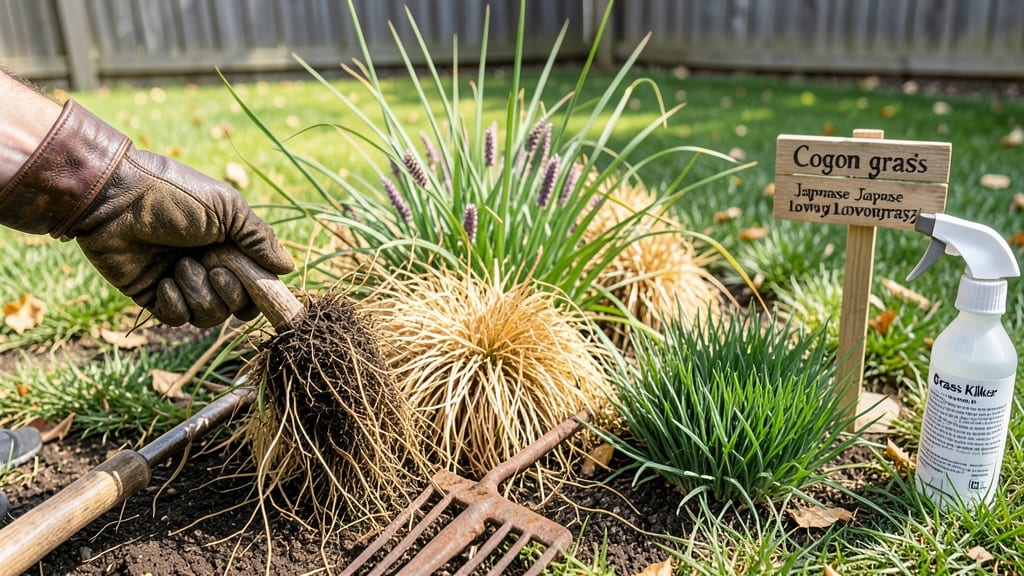
Your lawn might be hosting unwanted guests—invasive grass species that crowd out your grass and strangle your yard’s health. 🌱 I’ve battled nutgrass, crabgrass, and other tenacious weeds that turn lush lawns into patchy battlegrounds, and I’m sharing the exact methods that finally gave me control.
These invaders thrive because they spread faster, outcompete your grass, and resist standard mowing. The good news? Manual removal, targeted herbicides, and smarter lawn care can reclaim your space—without resorting to harsh chemicals if you act early. I’ve tested what works (and what doesn’t) over three seasons of stubborn weeds.
You’ll learn to spot the worst offenders by their growth habits, then use foolproof removal techniques that don’t just mask the problem. Think of it as a lawn cleanup: pull the weeds, restore the grass, and keep them from creeping back with simple preventative steps.
This works for any climate, whether you’re dealing with Bermuda grass taking over in the South or quackgrass choking your yard in the North. Let’s get your lawn back to healthy—and stay that way.
How Invasive Grasses Take Over
Invasive grass species don’t just pop up overnight—they exploit your lawn’s weaknesses like a pro. Understanding the root causes (literally!) helps you stop them before they dominate. Here’s why they thrive where you want them to fail.
Invasive grasses like crabgrass, nutgrass, or dallisgrass thrive in lawns with compromised soil. Here’s how:
- Compacted Soil: Heavy foot traffic, pets, or machinery crush soil particles, reducing oxygen and water flow. This weakens desirable grasses (like Kentucky bluegrass or fescue), leaving bare spots where invaders move in. Test your soil—if it feels like a brick when dry, compaction is likely.
- Low Organic Matter: Soil with minimal compost or decomposed plant material lacks nutrients, making turf grasses struggle. Invasive species, often fast-growing and shallow-rooted, fill the gap by outcompeting slower, nutrient-dependent grasses.
- Imbalanced pH: Most lawn grasses prefer a pH of 6.0–7.0. If your soil is too acidic (<6.0) or alkaline (>7.5), desirable grasses weaken, while invaders like bahiagrass (which tolerates pH 5.0–8.0) take over. A simple soil test kit ($10–$20) reveals the issue.
💡 Pro Tip: Aerate compacted soil in spring or fall and top-dress with 1/4-inch compost to restore structure. For pH adjustments, use lime (to raise pH) or sulfur (to lower it) based on test results.
Invasive grasses are opportunistic. They exploit gaps created by lazy lawn care. Here’s how:
- Thin or Patchy Turf: If your lawn has bare spots (from disease, drought, or poor seeding), invaders like nutgrass (with its tuberous roots) or crabgrass (which germinates in hot soil) rush to fill them. These species spread via underground rhizomes or seeds, making them nearly impossible to remove once established.
- Overwatering or Underwatering:
- Overwatering creates soggy conditions, favoring water-loving invaders like nutgrass or sedges.
- Underwatering stresses desirable grasses, while drought-tolerant species (e.g., bermudagrass) dominate.
- Mowing Too Short: Cutting grass below 2.5–3 inches weakens roots, reduces shade (encouraging weed seeds to germinate), and exposes soil to heat—perfect for crabgrass and goosegrass.
🔥 Actionable Fix: Mow at 3–4 inches for most grasses, water deeply 1–2 times per week (early morning), and reseeds bare patches with disease-resistant grass seed in early fall.
Some invasive grasses are seasonal predators, timing their takeover when your lawn is vulnerable:
- Summer Heat Stress: When temperatures exceed 85°F (29°C), desirable cool-season grasses (like fescue) go dormant. Crabgrass and dallisgrass seize the moment, germinating rapidly in bare, hot soil.
- Spring Moisture Surges: After winter, nutgrass and torpedograss emerge from dormant tubers when soil temps hit 60–65°F (15–18°C). Their aggressive root systems outcompete slow-growing lawn grasses.
- Regional Adaptations:
- Southern States: Bahiagrass and centipedegrass thrive in humid climates but can invade if fertilizer is withheld.
- Northern States: Creeping bentgrass (common in golf courses) may spread if mowing is too frequent.
🌡️ Climate Hack: Apply a pre-emergent herbicide (like pendimethalin) in early spring to block crabgrass seeds. In summer, increase mowing height to 4 inches to shade out weeds.
Fertilizer isn’t the enemy—but misuse is. Here’s how it backfires:
- Excess Nitrogen: While nitrogen promotes green growth, too much (especially quick-release fertilizers) burns roots and creates thin, weak turf—a buffet for goosegrass and chickweed.
- Phosphorus Deficiency: Without enough phosphorus, grass roots can’t develop strong networks, leaving gaps for rhizomatous invaders like nutgrass.
- Weed-and-Feed Products: Many broadleaf herbicides (e.g., 2,4-D) kill clover but do nothing for grassy weeds like dallisgrass. Worse, they can stress your lawn, making it more susceptible to invasion.
🎯 Fertilizer Fix: Use a slow-release, balanced fertilizer (e.g., 16-4-8) in early fall and spring. For invasive grasses, spot-treat with selective herbicides (like quinclorac for nutgrass) after mowing (to avoid burning leaves).
Invasive grasses don’t just appear—they exploit your lawn’s weaknesses. By fixing soil, adjusting watering, and timing care to seasonal risks, you can starve them out before they take over.
Kick Out Invaders for Good
Once you’ve identified the sneaky culprits—like crabgrass, nutgrass, or dallisgrass—taking action fast is key. These invasive grasses don’t just ruin your lawn’s curb appeal; they outcompete your desired grass, drain nutrients, and make mowing a nightmare.
The good news? With the right strategies, you can reclaim your lawn. Below, we break down solutions by cause and match them with practical fixes. Prevention tips keep the invaders from staging a comeback!
If you catch invasive grasses in their early stages (think: small patches or single shoots), you can often smother or pull them out before they take over. Here’s how:
🌱 Hand-Pulling (Best for Small Patches)
- When to use: For young weeds (less than 6 inches tall) or in tight spaces where herbicides aren’t ideal.
- How to do it:
- Wait for soil to be moist (after rain or watering) to make pulling easier.
- Grab the weed at the base and pull upward—don’t just snap it off at the surface (roots will regrow!).
- Check for crabgrass’s creeping roots or nutgrass’s nut-like tubers—dig deeper if needed.
- Pro tip: 💡 Use a weed-pulling tool or a dandelion digger for stubborn roots.
🍳 Solarization (Chemical-Free Heat Treatment)
- When to use: For warm-season invaders (like crabgrass) in spring or fall when temps are 85°F+.
- How to do it:
- Lay clear plastic sheeting over the infested area (secure edges with soil or bricks).
- Leave it for 4–6 weeks—the sun will cook the weeds and their seeds.
- Best for small, contained areas (not entire lawns).
- Pro tip: 🌡️ Combine with mulching afterward to block sunlight from new seeds.
If invasive grasses have spread aggressively (think: 50%+ of your lawn), you’ll need a two-pronged attack: kill the existing weeds and prevent regrowth. Here’s the battle plan:
🔪 Pre-Emergent + Post-Emergent Herbicides (The Dynamic Duo)
- When to use: Pre-emergent in early spring (before weeds sprout); post-emergent for visible weeds.
- How to do it:
- Step 1: Apply a pre-emergent herbicide (like pendimethalin or prodiamine) to block new seeds from germinating.
- Step 2: Spot-treat visible weeds with a selective post-emergent herbicide (e.g., mesotrione for broadleaf weeds or glyphosate for non-selective killing—use carefully!).
- Step 3: Reapply pre-emergent in fall to catch late-season invaders.
- Pro tip: ✨ Water lightly after applying post-emergent to help absorption, but avoid overwatering (can wash it away).
🌱 Overseeding with Competitive Grass
- When to use: After killing off invaders, fill the gaps with a dense, healthy lawn to starve weeds.
- How to do it:
- Choose a grass type that thrives in your climate (e.g., tall fescue for cool regions, bermudagrass for warm regions).
- Aerate the soil first to help seeds reach roots.
- Spread high-quality seed and top-dress with compost for nutrients.
- Keep soil moist (not soggy) for 4–6 weeks while new grass establishes.
- Pro tip: 🎯 Use a weed-and-feed product only after overseeding to avoid harming new grass.
The best offense is a strong defense. Once you’ve cleared invaders, these habits will lock them out for good:
🌡️ Maintain a Healthy Lawn (Weeds Hate This!)
- Mow high: Keep grass at 3–4 inches to shade out weeds and crowd them.
- Water deeply but infrequently: 1–1.5 inches per week encourages deep roots, making grass resilient.
- Fertilize regularly: Use a slow-release, balanced fertilizer (like 16-4-8) in spring and fall.
🔄 Break the Seed Cycle
- Clean equipment: Wash mower blades, rakes, and edgers after use to avoid spreading seeds to uninfested areas.
- Remove thatch: Thick thatch (>0.5 inches) traps weed seeds—dethatch annually.
- Bag clippings: If weeds are present, don’t mulch clippings—bag and dispose of them.
💡 Smart Landscaping Tricks
- Edge with mulch: Use wood chips or gravel around garden beds to block weed creep.
- Plant ground covers: Clover or creeping thyme can choke out weeds naturally in shady spots.
- Test your soil: pH imbalances (too acidic/alkaline) weaken grass—amend soil as needed.
With persistence, your lawn can go from weed wonderland to green paradise. Start with one method, monitor progress, and adjust as needed. Soon, those invasive grasses will be a distant memory!
Frequently asked questions
How can I tell if my lawn has invasive grass species?
Look for unusual growth patterns like thick, wiry clumps or yellowish patches that spread rapidly. Crabgrass has a distinctive sprawling habit with hair-like seed heads, while nutgrass produces nut-sized tubers underground. Compare your grass to healthy lawn samples—invaders often have weaker roots and shallower growth.
Will regular mowing stop invasive grasses from spreading?
No, mowing alone won’t eliminate them—but it helps slow their spread. Set your mower to 3–4 inches to shade out weeds and never cut more than 1/3 of the blade height at once. For stubborn species like quackgrass, combine mowing with herbicide treatments or manual removal during their active growth phase.
Are there natural ways to remove invasive grasses without chemicals?
Yes! Try vinegar-based sprays (3 parts vinegar, 1 part dish soap, 1 part water) for small patches—reapply every 2–3 days until dead. For larger areas, use solarization: cover infested spots with clear plastic for 4–6 weeks in hot weather. Corn gluten meal (applied in early spring) also blocks weed seeds naturally.
Why do invasive grasses keep coming back even after treatment?
They likely have dormant seeds or underground roots (like nutgrass tubers or crabgrass rhizomes) that survive treatments. For persistent cases, combine herbicide with soil solarization or deep tilling to disrupt their life cycle. Overseeding with dense grass also helps block regrowth.
Can I still use my lawn after treating invasive grasses?
Yes, but avoid heavy foot traffic for 2–3 days after herbicide application. For natural methods, wait until treated areas are fully dry before walking on them. Children and pets should avoid treated zones until completely dry (usually 4–6 hours). Always follow product safety guidelines.