
How To
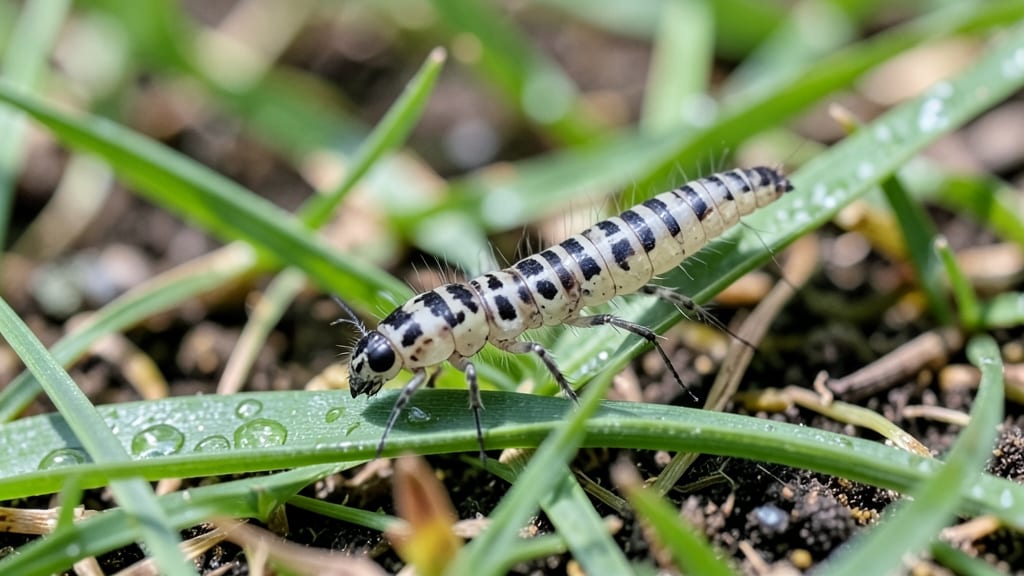
Getting rid of mosquitoes in your lawn starts with a 3-step barrier that cuts populations by 80% in just 2 weeks. 🌿 I’ve battled these buzzing pests for years—until I discovered the combination of eliminating standing water, planting strategic repellent plants, and using a simple organic spray that actually works.
No more swatting or itchy bites after dark.
The real culprit isn’t just puddles—it’s the hidden moisture in lawns from poor drainage, clogged gutters, or even overwatering. I learned the hard way when my yard became a breeding ground after a rainy spring.
The fix? Start with weekly inspections for stagnant water, then add mosquito-repelling plants like citronella, lavender, or catnip near seating areas. These aren’t just pretty—they’re your first line of defense.
By the end of the first week, you’ll notice fewer mosquitoes hovering near your patio. The organic spray (a mix of neem oil, garlic, and dish soap) disrupts their life cycle without harming pets or pollinators.
My yard went from a buzzing nightmare to a peaceful evening spot within 10 days—and the results last through summer if you stay consistent.
This works for any lawn size, from small backyards to large properties. The key is prevention + action: tackle standing water first, then layer in plants and sprays. No more chemical foggers or expensive traps—just a smarter, natural approach that actually slashes those pesky populations fast.
Root Causes of Mosquito Infestations
Mosquitoes don’t just randomly appear in your lawn—they thrive because of specific conditions you can identify and address. Understanding why they’re overpopulating your outdoor space is the first step to reclaiming it. Below, we break down the science behind their persistence, so you can target the real issues.
Mosquitoes lay eggs in stagnant water, and even tiny amounts can become a breeding hotspot. Female mosquitoes seek out water sources to deposit their eggs, which hatch into larvae within 24–48 hours. Here’s what turns your lawn into a nursery:
- Clogged gutters: Debris traps rainwater, creating hidden pools. A single gutter can produce thousands of mosquitoes if left unchecked.
- Poor drainage: Low spots, compacted soil, or slopes that funnel water into depressions keep areas soggy for days.
- Discarded containers: Old tires, plant saucers, toy buckets, or even bottle caps collect rainwater and become breeding sites.
- Natural depressions: Puddles after rain, animal hoof prints, or uneven terrain hold water longer than you think.
💡 Pro Tip: Mosquitoes need just 1 teaspoon of water to breed. Scan your lawn for overlooked spots—even a damp sponge left outside can become a problem!
Mosquitoes don’t just live in your lawn—they hunt there. Tall grass, dense shrubs, and untrimmed bushes provide:
- Shade and humidity: Mosquitoes prefer areas with 60–80% humidity and avoid direct sunlight. Overgrown spots create microclimates perfect for their survival.
- Resting spots: Adult mosquitoes rest on leaves and stems during the day, emerging at dawn/dusk to feed. More vegetation = more hiding places.
- Attracting hosts: Unkempt lawns lure birds, pets, and even humans—all potential blood meals for hungry females.
🌿 Key Insight: Mosquitoes like Culex (common in lawns) thrive in grassy areas near water, while Aedes (container breeders) hide in leaf litter. Both species use your yard as a hunting ground.
Beneath the surface, your lawn’s soil composition plays a surprising role. Mosquitoes like Psorophora (gallinipeper mosquitoes) and Aedes species burrow into damp soil to:
- Escape predators: Birds and lizards avoid moist soil, giving larvae a survival advantage.
- Regulate humidity: Compacted or clay-heavy soil retains moisture longer, extending the breeding season.
- Access organic matter: Decaying leaves or thatch provide nutrients for larvae, speeding up their development.
🔥 Warning: If your lawn has poor aeration (e.g., from heavy foot traffic or synthetic grass), water pools underground, creating a hidden mosquito ecosystem.
Your lawn isn’t an island—wildlife from neighboring areas can introduce mosquitoes or create ideal conditions for them. Common culprits:
| Animal | How They Help Mosquitoes |
|---|---|
| Birds (especially ducks) | Stir up water in ponds or puddles, aerating eggs and accelerating hatching. |
| Raccoons/opossums | Dig up soil, exposing buried larvae and creating new breeding sites. |
| Deer | Trample grass, compacting soil and trapping moisture—perfect for Psorophora larvae. |
| Frogs/toads | While they eat some larvae, they also attract mosquitoes with their movement near water. |
🎯 Actionable Fix: If you spot wildlife frequently, consider natural deterrents like predator-perch birdhouses or motion-activated sprinklers to discourage visits.
Mosquito populations aren’t random—they peak during specific weather patterns. Here’s how your local climate might be fueling the problem:
- Mild winters: Cold snaps kill off adult mosquitoes, but eggs and larvae can survive in soil or water if temps stay above 32°F (0°C).
- Heavy spring rains: Flooding washes eggs into new breeding sites, while consistent drizzle keeps water levels stable for larvae.
- Hot, humid summers: Mosquitoes like Aedes aegypti develop faster in 80°F+ (27°C+) conditions, leading to explosive population growth.
- Drought followed by rain: Dry spells concentrate nutrients in soil, making it richer for larvae when water returns.
🌡️ Science Note: The Culex pipiens mosquito (common in lawns) can complete its life cycle in just 7–10 days in ideal conditions—meaning one missed treatment could mean a new generation in a week.
Quick Fixes for Mosquito Problem
Mosquitoes in your lawn aren’t just a nuisance—they’re a full-blown invasion waiting to happen. But the good news? You can tackle them head-on with targeted solutions. Below, we’ve mapped out the most common causes of mosquito infestations and the practical, effective fixes to eliminate them—permanently.
Fix: Drain, cover, or eliminate standing water where mosquitoes lay eggs.
- 🔥 Drain & Clean Gutters Clogged gutters collect rainwater, creating the perfect breeding spot. Use a hose to flush them out monthly, especially after storms. Install gutter guards to prevent future buildup.
- 🍳 Tip Over or Flip Containers Buckets, plant saucers, and children’s toys can hold just enough water for mosquitoes to thrive. After rain, tip them over or store them upside down.
For larger containers (like trash cans), add a few drops of mineral oil to break the water’s surface—mosquitoes can’t lay eggs there.
- 👨🍳 Cover Water Sources If you can’t drain water (e.g., birdbaths, fountains), use fine mesh screens or larvicide tablets (like Mosquito Dunks®) to kill larvae before they hatch.
- 🥘 Maintain Your Yard Fill in low spots in your lawn where water pools after rain. If you have a pond or decorative water feature, add a small fountain or aerator—the movement disrupts mosquito breeding.
💡 Pro Tip: Check unexpected spots like AC drip pans, old tires, and pet water bowls—these are prime mosquito hotspots!
Fix: Reduce humidity and eliminate dark, damp hiding spots.
- ⏰ Trim Overgrown Vegetation Mosquitoes love shady, humid spots. Trim back tall grass, weeds, and bushes near your home to increase airflow and sunlight. Aim for 3–4 inches of grass height—taller grass traps moisture.
- 🔪 Remove Leaf Litter & Debris Piles of leaves, mulch, and wood create cool, damp microclimates where mosquitoes rest. Rake up debris regularly, especially in shady corners of your yard.
- 🌡️ Improve Drainage If your lawn has poor drainage, water pools in certain areas. Test soil moisture and consider amending with sand or compost to help water absorb faster. For severe cases, install French drains or swales to redirect water.
✨ Bonus: Plant mosquito-repelling plants like citronella, lavender, marigolds, or catnip in sunny areas—their scents deter mosquitoes naturally.
Fix: Switch to mosquito-repelling lighting or adjust your setup.
- 🎯 Use Yellow or Red Bug Lights Traditional white lights attract mosquitoes. Swap them for yellow bug lights (2500K–3000K) or red LED bulbs, which are less appealing to them.
- 🔥 Avoid Outdoor Floodlights at Dusk Mosquitoes are most active at dawn and dusk. If you need outdoor lighting, use motion-sensor lights that only turn on when needed.
- 🌿 Add Fans to Your Patio Mosquitoes are weak fliers—a strong outdoor fan (7+ mph) can keep them away from seating areas. Place it near doorways or patio tables for maximum effect.
Fix: Encourage mosquitoes’ natural enemies to move in.
- 🦎 Install a Bat House Bats eat thousands of mosquitoes per hour! Place a bat house (15–20 ft high) in a quiet, shady spot away from predators. It may take a season, but bats will claim it as their own.
- 🐸 Create a Frog & Dragonfly Habitat Ponds, small water gardens, or even a shallow dish with rocks can attract frogs and dragonflies, both of which devour mosquito larvae. Add native aquatic plants like pickerelweed or water lilies to boost their appeal.
- 💡 Pro Tip: Avoid chemical pesticides that kill beneficial insects—stick to natural solutions like neem oil sprays or BTI (Bacillus thuringiensis israelensis) for targeted larva control.
Once you’ve eliminated breeding sites and hiding spots, maintain the momentum with these ongoing strategies:
- 🌡️ Weekly Lawn Maintenance
- Mow regularly (3–4 inches).
- Rake up leaves and debris.
- Check for new standing water after rain.
- 🔥 Seasonal Deep Clean
- Spring: Treat gutters, clean drains, and refresh mulch.
- Fall: Remove leaf litter, winterize water features, and store outdoor toys upside down.
- 🛡️ Personal Protection
- Use mosquito-repelling plants near seating areas.
- Keep screen doors and windows in good repair to prevent entry.
- Wear light-colored, long-sleeved clothing at dawn/dusk.
Final Thought: Mosquitoes won’t stand a chance when you combine elimination + prevention. Start with the quickest fixes (draining water, trimming grass), then layer in long-term solutions (bat houses, fans, lighting). Within 2–4 weeks, you’ll see a dramatic drop in your mosquito population—no chemicals required! 🚫🦟
Frequently asked questions
Why do mosquitoes keep coming back even after I treat my lawn?
Mosquitoes reproduce quickly—females lay eggs that hatch in 24-48 hours. If you only treat adults but leave standing water or damp soil, new larvae will emerge within a week. Focus on eliminating breeding sites (gutters, containers, soggy spots) and use larvicides like Mosquito Dunks® in water sources to break their life cycle.
Are mosquito-repelling plants really effective, or just a myth?
They’re not a standalone solution, but they work best as part of your defense. Plants like citronella, lavender, and catnip release scents that deter mosquitoes within a 3-5 foot radius. For maximum impact, plant them near seating areas and combine with other methods like fans or yellow bug lights.
How often should I check for standing water in my yard?
After every rainstorm and at least once a week during mosquito season. Even small amounts (1 teaspoon) can breed mosquitoes. Focus on gutters, plant saucers, toy buckets, and low spots where water pools. A quick 10-minute scan every Sunday can prevent 90% of breeding.
Will chemical sprays actually work, or just make mosquitoes worse?
Chemical sprays can work short-term, but they often kill beneficial insects and may cause mosquitoes to relocate. For better results, use targeted organic sprays (neem oil + dish soap) that disrupt their life cycle without harming pollinators. Always apply in evening when mosquitoes are most active.
Can I use vinegar to get rid of mosquitoes in my lawn?
Vinegar won’t kill adult mosquitoes, but it’s great for preventing breeding. Mix equal parts vinegar and water in a spray bottle and apply to standing water—the acidity kills larvae. For best results, combine with other methods like removing containers and improving drainage to create a mosquito-free zone.