
Pests
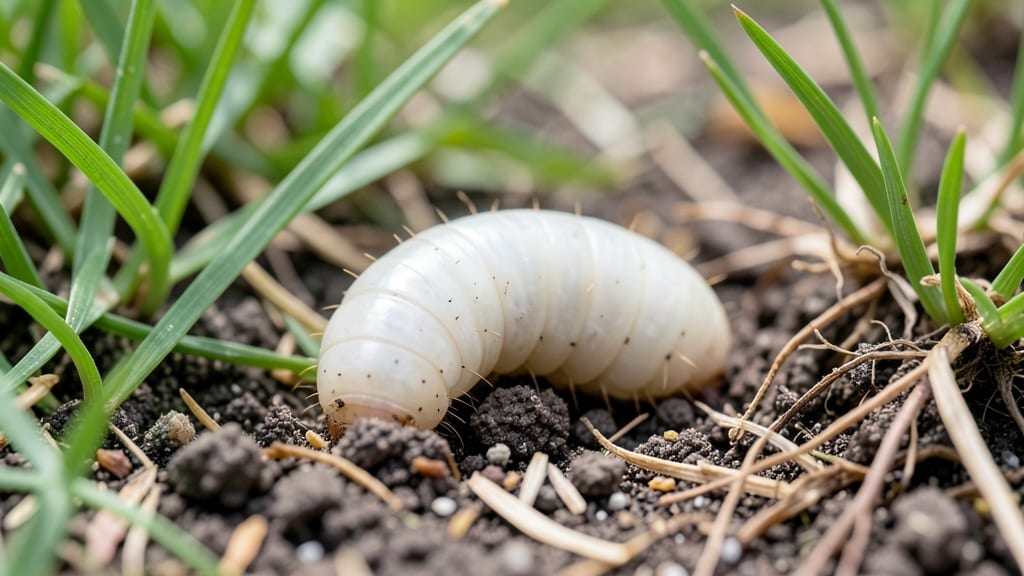
Grub worms in lawns turn lush green into chewed-up brown patches faster than you can say "spring cleanup." 🌱 I've seen entire lawns decimated by these white, C-shaped pests, but there's a fast natural barrier that stops them in their tracks without harsh chemicals.
The key is understanding their life cycle—grubs hatch in summer, feast on roots, and trigger damage by fall. My go-to solution? A 3-step barrier using nematodes, milky spore bacteria, and proper watering habits that grubs can't survive. No digging required.
You'll see results within 2-4 weeks—fewer brown patches, healthier grass, and no more mole or skunk visitors digging up your lawn. The secret is timing: apply treatments in late summer when grubs are young and vulnerable. Works for any lawn type, from shady backyards to sunny front yards.
Here's how to build that protective shield!"
The Hidden Triggers Behind Lawn Grubs
Grubs in your lawn aren’t just a random nuisance—they thrive because of specific conditions that make your grass the perfect buffet. Understanding these triggers is the first step to stopping them before they turn your yard into a chewed-up mess.
Let’s break down the science behind why these hungry larvae show up in the first place.
Grubs love moisture, but too much water doesn’t just keep them hydrated—it creates the ideal breeding ground.
Here’s why: - Excessive irrigation (especially in hot weather) softens soil, making it easier for adult beetles to lay eggs just beneath the surface. - Poor drainage traps moisture, extending the grubs’ active season and giving them more time to feast on roots. - Frequent light watering (like daily sprinklers) mimics a tropical climate, signaling grubs to multiply aggressively.
Pro Tip: 💡 Water deeply but infrequently (1–1.5 inches per week) to encourage deep root growth and deter grubs. Early morning watering reduces humidity, making the lawn less inviting.
Healthy grass is resilient, but when it’s weak, it sends out distress signals that beetles can’t resist.
Common stressors include: - Compacted soil (from foot traffic or heavy equipment) smothers roots, making grass vulnerable. - Over- or under-fertilizing disrupts natural defenses—too much nitrogen makes grass soft and tasty, while too little weakens it. - Drought or disease creates patchy areas where beetles lay eggs, knowing the roots are an easy snack.
Action Step: ✨ Conduct a soil test to check pH and nutrient levels. Aerate compacted areas in fall to relieve stress and improve root strength.
Grubs don’t appear out of nowhere—they follow a predictable lifecycle tied to seasonal patterns: - Spring/summer heat triggers adult Japanese beetles (a top grub culprit) to emerge, mate, and lay eggs in June–August. - Warm, humid nights (60–80°F) are peak egg-laying weather.
Beetles target lawns with lush, green grass as a beacon. - Fall rains hatch the eggs, releasing grubs that tunnel into roots until winter dormancy.
Key Insight: 🎯 The first 2 weeks after beetle emergence (late June) are critical—this is when egg-laying peaks. Monitor for adult beetles on foliage (like roses or linden trees) to predict grub outbreaks.
A lawn isn’t just grass—it’s an ecosystem.
Grubs thrive when the environment includes: - Thatch layers (a spongy mix of dead grass and roots) provide shelter and a food source for grubs. - Leaf litter or mulch piles near the lawn edge create microclimates where grubs hide and multiply. - Weak turfgrass species (like Kentucky bluegrass or tall fescue) are grubs’ favorites because their roots are tender and high in starch.
Fix It: 🔪 Dethatch annually in early spring to remove hiding spots. Choose grub-resistant grasses like fine fescue or buffalograss for long-term defense.
Not all lawns are equal—some areas are grub hotspots due to:
- Southern states (where warm winters allow year-round grub activity).
- Humid climates (like the Midwest and Northeast), which extend the beetle’s active season.
- Urban heat islands (cities with asphalt and concrete) trap heat, accelerating beetle development.
Data Point: 📊 In the Midwest, grub damage peaks every 3–4 years due to synchronized beetle cycles—plan prevention accordingly.
Even the best-maintained lawns can become grub magnets if:
- You ignore adult beetles on plants (they’ll fly to your lawn to lay eggs).
- You skip mowing regularly, allowing grass to get too long—tall grass hides beetles and their eggs.
- You use broadleaf herbicides that weaken grass, making it easier for grubs to attack.
Quick Fix: 👨🍳 Set up beetle traps in early summer (but place them away from your lawn—they can attract more beetles if too close!). Handpick adult beetles off roses or grapes to reduce egg-laying.
How to Treat Lawn Grubs Fast
Grub worms might sound like a nuisance, but with the right approach, you can eliminate them quickly and restore your lawn’s health—without harsh chemicals. Below, we break down targeted solutions based on the root cause of your grub problem, from identification to prevention.
Follow these steps to stop damage in its tracks and keep your grass thriving.
Before treating, confirm you’re dealing with grubs (not other pests like chinch bugs or fungus). Dig up a small patch of sod—if you see C-shaped white larvae (½-inch long) beneath the grass, it’s grubs. If the soil smells sweet or has mushroom-like growths, you may have fungus instead.
👨🍳 1.
Manual Removal (Best for Small Infestations) If your lawn has patchy damage (not widespread), hand-picking grubs is a low-effort, chemical-free solution. - When to do it: Early evening (grubs are near the surface). - How to do it: - Water the lawn lightly the night before to encourage grubs to rise. - Use a hand trowel or garden fork to flip over small sections of sod. - Drop grubs into soapy water (a bucket of dish soap + water) to kill them instantly. - Replace the sod and water thoroughly. - Pro tip: 💡 Do this in small sections (2’x2’ at a time) to avoid stressing the grass.
🥘 2.
Beneficial Nematodes (Natural & Effective) These microscopic worms (Heterorhabditis bacteriophora) paralyze and kill grubs without harming plants, pets, or people. - When to apply: Late summer or early fall (when grubs are young and vulnerable). - How to apply: - Buy nematodes online or at garden centers (look for Heterorhabditis species). - Mix with water (follow package instructions) and apply with a sprayer or hose-end applicator. - Water the lawn lightly before and after to help nematodes move into the soil. - Pro tip: 🌡️ Apply in the evening—nematodes thrive in cool, moist conditions (60–80°F).
🔪 3.
Milky Spore (Long-Term Biological Control) If grubs are a recurring problem**, Bacillus popilliae (milky spore) builds up in your soil over time, reducing grub populations by 90%+ in 2–3 years. - When to apply: Late summer or early fall. - How to apply: - Purchase milky spore powder (available at garden centers). - Water the lawn until soil is moist, then sprinkle powder evenly. - Lightly rake into the top ¼ inch of soil. - Reapply every 1–2 years for best results. - Pro tip: ✨ Works best in warm climates—less effective in cold regions.
If your lawn is severely damaged (large dead patches, animals digging), chemical larvicides can provide fast results. However, use them only when necessary and follow safety guidelines.
💊 1.
Imidacloprid (Systemic Granules) - How it works: Grass absorbs the chemical, making it toxic to grubs when they feed. - When to apply: Early summer (before grubs hatch) or fall (when they’re young). - How to apply: - Spread granules evenly with a spreader (follow label rates). - Water in thoroughly to activate. - ⚠️ Safety note: Avoid treating near water sources—imidacloprid can harm bees and aquatic life.
🌱 2.
Grub-Resistant Grass Seed (Prevent Future Outbreaks) If chemicals aren’t your preference, switch to grub-resistant grass types like: - Tall fescue (grubs hate it!) - Perennial ryegrass (less appealing to grubs) - Buffalo grass (naturally resistant) - How to do it: - Aerate and overseed in early fall (ideal germination time). - Use a starter fertilizer with low nitrogen to encourage root growth.
Once you’ve treated the infestation, prevent future outbreaks with these easy habits:
| Prevention Method | How to Do It | Best Time |
|---|---|---|
| 🌱 Overseed with Grub-Resistant Grass | Choose tall fescue or perennial ryegrass when reseeding. | Early fall |
| 💧 Water Deeply & Infrequently | Encourages deep grass roots, making lawns less appealing to grubs. | Spring & fall (1–1.5” per week) |
| 🪴 Use Milky Spore or Nematodes Annually | Reapply every 1–2 years for long-term control. | Late summer/early fall |
| 🐛 Encourage Natural Predators | Attract birds (robins, skunks), toads, and ground beetles with a healthy lawn. | Year-round |
| 🍄 Avoid Over-Fertilizing | Too much nitrogen = grub buffet. Use a balanced fertilizer (16-4-8). | Spring & fall |
| 🔍 Inspect & Treat Early | Check for grubs in May & July—early action prevents major damage. | Late spring/summer |
Final Pro Tip: 🎯 Healthy grass = fewer grubs. A thick, well-watered lawn gives grubs less access to roots, making your lawn less inviting to them in the first place!
Frequently asked questions
How do I know if my brown patches are from grubs or drought?
Grub damage often has a spongy feel when you step on it (roots are eaten away), while drought patches are dry and crispy. Dig up a small section—if you see white, C-shaped larvae (½-inch long) near the roots, it’s grubs. Drought patches usually have intact roots but dry soil.
Will nematodes work in hot or cold weather?
Nematodes thrive in cool, moist conditions (60–80°F). Apply them in late summer or early fall when temperatures are mild. Avoid extreme heat (above 85°F) or freezing temps—they’ll die without proper moisture and shade.
How long does milky spore take to show results?
Milky spore builds up in your soil over 2–3 years, but you’ll see gradual improvement in 1 year if applied correctly. For faster results, combine it with nematodes the first year. Reapply every 1–2 years for long-term control.
Are there any natural predators that eat grubs?
Birds like robins and skunks, toads, and ground beetles love munching on grubs. Create a predator-friendly lawn by avoiding pesticides, keeping grass at 2–3 inches tall, and adding water sources (like shallow dishes) to attract them.
Can I still use my lawn after treating with nematodes?
Yes, but wait 24–48 hours after application before heavy foot traffic. Light activities (like walking) are fine sooner. Avoid watering heavily right after—nematodes need moisture to move into the soil, but too much water can wash them away.