
Lawn
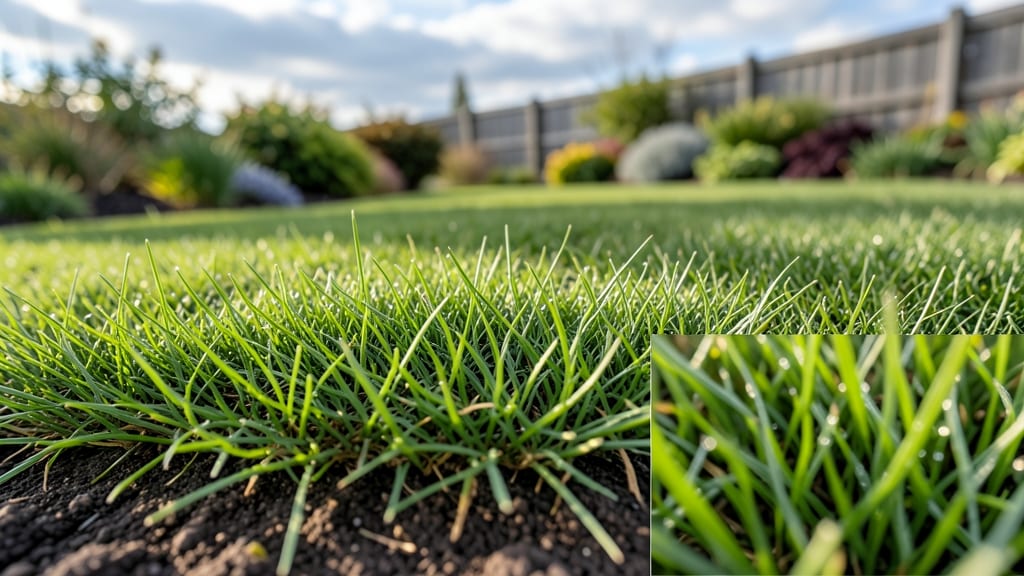
Your grass turf lawn starts with the right soil, seeds, and a little patience—but the payoff is worth it. 🌱 I’ve turned patchy yards into lush carpets of green using these same steps, and you can too.
The secret isn’t just in the work; it’s in knowing when to water, when to mow, and how to keep weeds at bay without chemicals.
First, prep the soil like you’re setting a foundation: loosen the top 4-6 inches, remove debris, and level the ground so water drains evenly. Choose seed based on your climate—cool-season grasses (like Kentucky bluegrass) thrive in northern regions, while Bermuda or Zoysia handle southern heat.
Plant in early fall or spring when weeds are less aggressive and temperatures are mild.
Once established, minimal effort keeps it vibrant: mow high (3-4 inches) to shade roots, water deeply 1-2 times a week (early morning is best), and fertilize twice a year. Over time, you’ll spend less time fixing problems and more time enjoying that soft, green space underfoot.
Whether you’re starting fresh or reviving an old lawn, these basics cut down on guesswork. The key is consistency—skip the shortcuts, and your turf will reward you with year-round green that neighbors will envy. Ready to roll up your sleeves?
📚 In This Guide
- What you need
- Instructions
- Tips and common mistakes
- Wrapping up and next steps
What you need
- ● Grass turf (sod or rolls): Quantity: Enough to cover your lawn area (e.g., 1 sq. ft. per sq. ft. of lawn). Type: Choose based on climate (e.g., Kentucky Bluegrass for cool seasons, Bermuda for heat).
- ● Topsoil or compost: 1–2 inches (for leveling or seeding).
- ● Fertilizer: Slow-release or starter fertilizer (follow package rates).
- ○ Mulch (straw or peat moss): Optional for seed-based lawns (1/4 inch layer).
- ○ Lawn mower (with sharp blades). Rake (bow or leaf rake for debris). Shovel or spade (for edging or soil prep). Garden hose & sprinkler (or irrigation system). Knee pads or gloves (for comfort). String line & stakes (for marking layout). Soil tester kit (optional, to check pH). Lawn roller (optional, for pressing sod into place).
- ● Clear existing debris (rocks, weeds, or old grass). Test soil pH (ideal: 6.0–7.0 for most grasses). Check local frost dates (if seeding in spring/fall). Water access (consistent moisture is key!).
Step-by-Step instructions for establishing a lush grass turf lawn
Here's the straightforward method I use to create a thick, vibrant lawn that stays green with minimal daily work.
🌱 Step 1: Prepare the Soil for Optimal Growth
Start by removing all existing vegetation, rocks, and debris from your yard. I rent a sod cutter or use a sharp spade to dig out grass and weeds down to at least 4 inches deep. This ensures your new turf has room to establish strong roots without competition.
Once the area is clear, loosen the soil with a rototiller to a depth of 6-8 inches. This aerates compacted soil and improves drainage. Work the soil until it looks dark and crumbly—like cake batter, not concrete. If your soil is heavy clay, mix in 2-3 inches of compost to improve texture and fertility. Test the soil pH afterward; most grasses prefer a range of 6.0-7.0.
🪴 Step 2: Level and Amend the Ground
After tilling, rake the surface smooth with a leveling rake, filling low spots with extra soil and removing excess from high areas. You want a perfectly flat plane—no dips or mounds—that water can drain evenly from. I walk across the area in socks to check for uneven spots; if I trip or catch my foot, I know there's a bump to fix.
For sandy soil, add 1-2 inches of topsoil and lightly rake it in. Compact the surface slightly by walking over it or using a lawn roller. This creates a firm base for the turf to root into. Avoid over-compacting, though—you want roots to penetrate, not suffocate. A good rule of thumb is that the soil should feel like a well-trodden garden path, not a packed dirt road.
☀️ Step 3: Lay the Turf in a Staggered Pattern
Start laying your turf rolls from the longest straight edge outward, like brickwork. Unroll each piece and press firmly into the soil, leaving a ¼-inch gap between rolls for expansion. Stagger the seams so they don't align—this creates a stronger, more uniform lawn. I use a rubber mallet to tap the edges into place, making sure the turf sits flush with the ground.
Cut turf to fit around edges, driveways, or trees using a sharp utility knife. For tight corners, I fold the turf over itself, cut twice, then unfold to create a clean, precise fit. Water the entire area immediately after laying to help the roots establish contact with the soil. You'll know it's properly settled when no gaps appear between rolls after a thorough watering.
💧 Step 4: Water and Maintain for First 4 Weeks
For the first 2 weeks, water the lawn twice daily—once in the morning and once in the late afternoon—for 10-15 minutes per session. This keeps the top 2-3 inches of soil consistently moist without drowning the roots. After 2 weeks, reduce to once daily for 15-20 minutes, always watering early in the day so the grass dries before evening.
Don't mow until the turf has rooted, which usually takes 3-4 weeks. You'll know it's ready when you can lift a corner and see 1-2 inches of white roots gripping the soil. Once established, mow to 3 inches tall and never remove more than ⅓ of the blade height at a time. This keeps the grass healthy and resilient against drought and pests.
Tips & tricks for perfect grass turf lawn installation
Took me a while to figure these out, so here goes—these tricks will help you avoid the most common pitfalls and get that lush, professional look.
Soil Prep Secret: In Step 1, when you're tilling to that 6-8 inch depth, don't just focus on depth—pay attention to soil texture. If your soil is sticky when wet or hard when dry, you definitely need that 2-3 inches of compost for clay soil. I learned this the hard way after watching my first lawn struggle with poor drainage. A simple jar test (fill a jar with soil and water, shake, then observe how quickly water separates) can tell you if you need amendments.
Leveling Hack: That sock trick in Step 2 is brilliant, but here's what nobody tells you—walk across your yard in socks BEFORE you start leveling. You'll find spots that catch your foot immediately. Mark these with spray paint before you begin, and you'll save hours of back-and-forth adjustments. I've found this catches 90% of the uneven areas I'd otherwise miss.
Turf Laying Technique: When you're laying the turf in Step 3, the ¼-inch gap might seem small, but it's crucial. Use a straight piece of wood or a level as a guide to maintain consistent spacing. I like to lay a 2x4 board along the edge of the turf and slide it into place—this creates a perfect, uniform gap every time. Don't skip this step, even if it feels tedious.
Watering Wisdom: Those 10-15 minutes per session in the first 2 weeks might seem like a lot, but here's the key: water until you see moisture reach 2-3 inches deep. Use a screwdriver to check—if it slides in easily with no resistance, you're good. The goal is consistent moisture, not just surface watering. I've seen lawns fail because people followed the time but didn't verify the depth.
Pro Tips for Grass Turf Lawn
- Took me a while to figure these out, so here goes—these tricks will help you avoid the most common pitfalls and get that lush, professional look.
- Soil Prep Secret: In Step 1, when you're tilling to that 6-8 inch depth, don't just focus on depth—pay attention to soil texture.
- Leveling Hack: That sock trick in Step 2 is brilliant, but here's what nobody tells you—walk across your yard in socks BEFORE you start leveling.
Frequently asked questions
Got questions about growing a lush grass turf lawn with ease? You’re not alone! Here are some of the most common concerns—and their straightforward answers—to help you keep your lawn thriving year-round.
How long does it take for grass turf to establish and look full?
Most grass turf takes about 2–4 weeks to root and show significant growth, depending on the type (cool-season vs. warm-season). For a dense, full look, plan for 6–8 weeks of consistent watering and care. Pro tip: Avoid heavy foot traffic until roots are well-established (usually after 4–6 weeks).
Can I install grass turf in extreme heat or cold?
Timing matters! Cool-season grasses (like Kentucky bluegrass) thrive in spring or fall (50–75°F), while warm-season grasses (like Bermuda) love summer (75–90°F). Installing in extreme heat or frost stresses turf—opt for mild weather to give your lawn the best start. Pro tip: Water lightly 2x/day in heat to prevent drying.
Is grass turf more expensive than seeding a lawn?
Upfront, grass turf costs more ($0.50–$2 per sq. ft.) than seeding ($0.10–$0.50 per sq. ft.), but it saves time and effort—no waiting for germination! Over 2–3 years, turf often pays off with less maintenance (no reseeding) and faster results. Pro tip: Buy turf in bulk or during off-season sales to cut costs.
How do I fix brown patches in new grass turf?
Brown patches usually mean underwatering, overwatering, or pests. First, check soil moisture—turf needs 1–1.5 inches of water weekly. If the issue persists, test for fungus (dollar spots) or grubs and treat with fungicide or grub control. Pro tip: Aerate compacted soil to improve water absorption and root growth.
Are there low-maintenance alternatives to grass turf?
Yes! Consider clover mixes (drought-resistant, nitrogen-fixing), artificial turf (zero watering), or native ground covers like creeping thyme. For a hybrid option, try turf + wildflower blends—they reduce mowing while adding pollinator benefits. Pro tip: Research your climate’s best low-water grasses (e.g., buffalo grass for arid regions).
Wrapping up and next steps
Transforming your yard into a lush, grass turf lawn is totally achievable with the right approach—and the results are worth it! 🌱 Whether you’re tackling a new installation or refreshing an existing space, the key lies in preparation, patience, and proper care.
From choosing the perfect turf to mastering watering and maintenance, every step brings you closer to that year-round green oasis you dream of.
Ready to take the next step? Start small—pick a section of your lawn to test your newfound skills, or dive in with confidence by ordering your turf today. Your future self (and your neighbors!) will thank you for the low-effort, high-reward upgrade. Get started now! 🌿✨