
Lawn
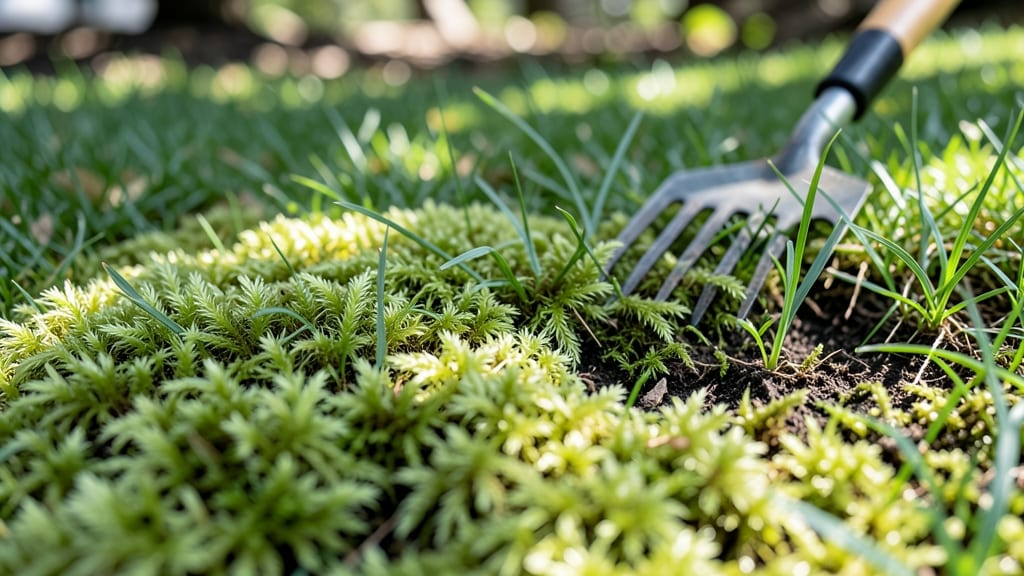
That fuzzy lawn weed creeping into your grass is the last thing you need before summer. 🌱 I’ve wrestled with it for years—until I discovered the precision pull method that actually works without tearing up your turf. The secret?
Timing, the right tools, and knowing exactly which weeds you’re dealing with (nutsedge? Wild violets? Creeping Charlie?). Most people grab a weeder and yank, only to leave roots behind or damage grass. My approach focuses on targeted removal—no scalpel, just a sharp blade and patience.
You’ll see results in 30 minutes if you hit the roots cleanly, and your lawn will look thicker and healthier without the fuzzy invaders taking over. The real payoff? A lawn that stays thatch-free and weed-resistant for months. No more patchy spots or that annoying scratchy feeling underfoot.
Once you master this, you’ll spot weeds before they spread—and pull them out faster than you can say "herbicide." Works for any yard size, from small patches to entire backyards. Here’s how to do it without wrecking your grass in the process.
📚 In This Guide
- What you need
- Instructions
- Tips and common mistakes
- Wrapping up and next steps
What you need
- ● Garden Gloves – 1 pair (nitrile-coated for durability, size medium/large to fit comfortably).
- ● Hand Weeder or Dandelion Diggers – 2-3 units (stainless steel or ergonomic grips recommended for ease of use).
- ● Lawn Rake – 1 (bendable tines, 18-24 inches wide for efficient thatch removal).
- ● Pruning Shears – 1 pair (sharp, bypass-style for clean cuts).
- ● Kneeling Pad – 1 (gel or foam, 12x18 inches for comfort during long sessions).
- ● Bucket or Wheelbarrow – 1 (5-gallon capacity for debris disposal).
- ● Hose with Adjustable Nozzle – 1 (for rinsing off roots and loosening soil).
- ● Lawn Fertilizer – 1 bag (slow-release, nitrogen-rich, e.g., 20-0-5 ratio).
- ● Vinegar Spray – 1 gallon (1:1 ratio with water + 1 tbsp dish soap for stubborn weeds).
- ● Lawn Dethatcher – 1 (rent or buy for deep thatch layers over ½ inch).
- ● Post-Weeding Seed Mix – 1 lb (fast-growing grass seed for bare spots).
- ● Sunscreen & Hat – 1 each (for prolonged outdoor work!).
Step-by-Step instructions for targeted fuzzy lawn weed removal
Here’s how to pull fuzzy lawn weeds cleanly—without tearing grass or leaving thatch behind.
🌱 Step 1: Identify and Assess the Weed Type
Fuzzy lawn weeds like creeping Charlie or clover often hide in dense grass. Kneel and part the grass to spot the fuzzy, serrated leaves or clover’s trifoliate pattern. I focus on the root structure—deep taproots need different treatment than shallow runners. Pull back a small section to see how deep the roots go before deciding on your tool.
This is the moment that matters: if the weed has hairy stems or clover-like leaves, you’ll need a slightly different grip. Clover pulls easiest when the ground is moist, while creeping Charlie’s roots are tougher and may require a small hand fork for stubborn clumps.
✂️ Step 2: Choose the Right Tool and Timing
Use a hand weeder for shallow roots or a dandelion digger for deep ones. I’ve found that early morning is the best time—soil is damp from dew, and weeds are easier to extract without breaking. Avoid pulling when the ground is bone-dry; you’ll tear grass instead of the weed.
For stubborn fuzzy weeds, I like to insert the tool at a 45-degree angle near the weed’s base. Twist slightly while pulling upward to loosen the root without damaging the surrounding grass. If the weed resists, it’s not ready—wait until the soil softens after rain.
💧 Step 3: Pull Weeds Without Disturbing the Lawn
Grip the weed as close to the base as possible and pull upward with steady pressure. You’ll hear a faint pop when the root releases—this is your signal it’s out. For fuzzy weeds with runners, I pinch the stem between my fingers to snap it cleanly at the soil line, preventing regrowth.
Don’t yank—this tears grass. Instead, wiggle the weed gently side to side while pulling upward. If you see grass blades coming up with the weed, stop and reposition your grip. The goal is to remove 100% of the root while leaving the lawn undisturbed.
☀️ Step 4: Fill the Hole and Prevent Regrowth
After pulling, press the empty spot with your thumb to firm the soil. For fuzzy weeds that leave gaps, I sprinkle a thin layer of compost over the area to encourage grass regrowth. Avoid heavy mulch—it can smother grass seeds and invite more weeds.
Here’s the thing—fuzzy weeds often return if their roots fragment in the soil. To prevent this, I inspect the pulled weed for broken root pieces and discard them immediately. If you spot any left behind, dig them out with a small trowel.
⏰ Step 5: Maintain a Weed-Free Lawn Long-Term
Water your lawn deeply once a week to strengthen grass roots, making them competitive against weeds. I’ve found that overseeding in early fall fills thin spots before fuzzy weeds can take hold. For stubborn patches, a spot treatment of corn gluten meal (a natural pre-emergent) helps break the weed cycle.
Real talk: you’ll need to repeat this process every 2-3 weeks during peak growing season. But once you establish a thick lawn, weeds struggle to find space. Consistency is key—skip a week, and those fuzzy invaders will stage a comeback.
Tips & tricks for perfect fuzzy lawn weed removal
These little details make all the difference between a quick pull and a weed-free victory.
Tool Technique: When using a dandelion digger in Step 2, I’ve found that pressing the fork just ½ inch away from the weed’s base creates a clean break without disturbing surrounding grass. The key is to wiggle the tool gently while pulling upward—this loosens the root without tearing. For stubborn weeds, I switch to a 45-degree angle to avoid grass damage, just as the instructions suggest.
Root Inspection: After pulling, I always do a quick root check—especially with fuzzy weeds that spread. Look for any broken root pieces still in the soil; even a tiny fragment can regrow. If you spot any, use a small trowel to dig them out completely. This step in Step 4 is where most people miss the mark, and it’s the secret to preventing regrowth.
Timing Secret: The instructions mention early morning as the best time, but I’ve learned to also pull after a light rain when the soil is soft but not muddy. This gives you that perfect window of 2-3 hours where weeds come out cleanly without tearing grass. If your lawn feels dry, water it lightly the night before for easier pulling the next day.
Long-Term Strategy: For the deeply once a week watering in Step 5, I set a timer on my phone as a reminder. Consistent moisture strengthens grass roots, making them more competitive against weeds. I’ve also found that spot-treating stubborn patches with corn gluten meal in early spring gives me a head start on the growing season.
Pro Tips for Fuzzy Lawn Weed
- These little details make all the difference between a quick pull and a weed-free victory.
- Tool Technique: When using a dandelion digger in Step 2, I’ve found that pressing the fork just ½ inch away from the weed’s base creates a clean break without disturbing surrounding grass.
- Root Inspection: After pulling, I always do a quick root check—especially with fuzzy weeds that spread.
Frequently asked questions
Got questions about fuzzy lawn weed and how to tackle it?
You’re not alone! Here are some of the most common concerns—plus expert answers to keep your lawn lush and weed-free.
What exactly is fuzzy lawn weed, and how do I identify it?
Fuzzy lawn weed (often Trifolium repens, or white clover) has rounded, fuzzy leaves with a distinct three-leaflet pattern. Unlike grass, it thrives in thin or compacted soil, often appearing in patches. Look for its clover-like shape and slightly hairy texture—it’s your cue to act!
When is the best time to pull fuzzy lawn weed for the best results?
Timing matters! Pull weeds when the soil is moist but not soggy (early morning or after rain). For persistent patches, tackle them in spring or fall when weeds are actively growing. Avoid pulling in extreme heat—it stresses your lawn and makes weeds rebound faster.
Can I use vinegar or other natural remedies to kill fuzzy lawn weed?
Yes, but with caution! A 1:1 vinegar-water solution (with dish soap) can kill weeds on contact. However, it also harms grass, so spot-treat only the fuzzy patches. For a gentler approach, try corn gluten meal (applied pre-emergence) or a sharp dandelion weeder for precision.
Will pulling fuzzy lawn weed come back if I don’t treat the soil first?
Absolutely—if the root system or soil conditions aren’t addressed, weeds will return. After pulling, aerate compacted soil and overseed with grass seed. For stubborn patches, apply a light layer of compost to improve soil health and crowd out weeds naturally.
Why does fuzzy lawn weed keep spreading even after I pull it?
Weeds spread via seeds and runners. If you miss even a tiny root fragment, it regrows! Use a weed torch (carefully!) or boiling water for stubborn spots. Mow high (3–4 inches) to shade out weeds and fertilize regularly to strengthen your grass’s defense.
Wrapping up and next steps
Dealing with fuzzy lawn weed doesn’t have to be a never-ending battle—just a few targeted steps can transform your thatch-ridden yard into a lush, healthy space! 🌱 By using the right tools, timing your efforts, and staying consistent, you’ll reclaim control over your lawn’s appearance and health. Remember: patience and precision are your best allies.
Ready to take action? Start by scheduling your next precision pull session this weekend—your lawn will thank you! For extra support, explore organic weed preventatives or consult a local lawn care expert to keep those fuzzy intruders at bay for good. Happy gardening! 🌿