
Lawn
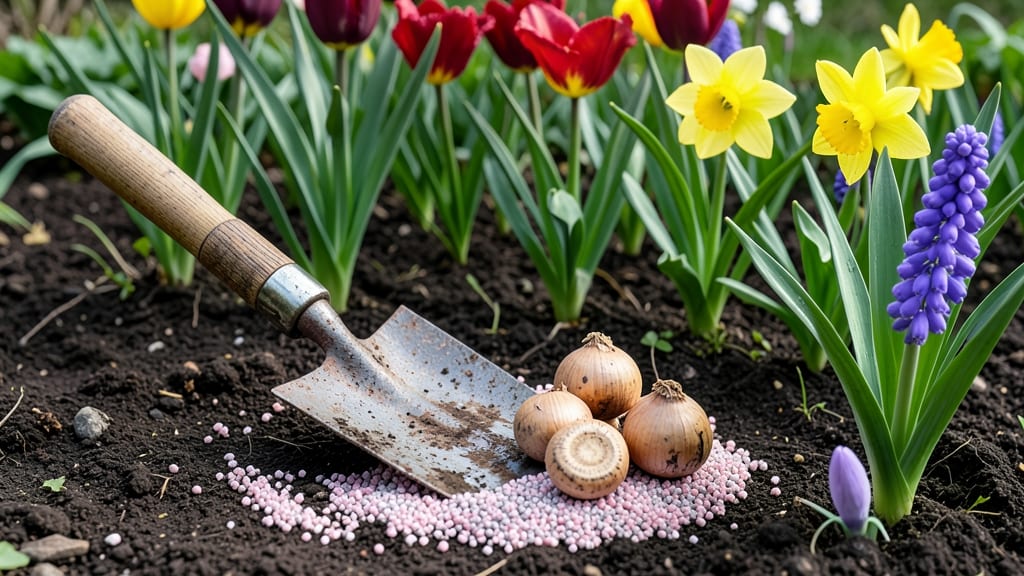
Planting bulbs in lawns transforms your yard into a year-round green carpet with almost no digging. 🌱 I’ve turned my patchy spring lawn into a blooming meadow by tucking in crocus, daffodils, and tulips—no garden beds required.
The secret? A few simple steps that let bulbs peek through grass while keeping them healthy.
Start with the right bulbs—crocus and daffodils thrive in lawns because they’re tough and early bloomers. Plant them in fall (October-November) when soil temps drop to 60°F, using a bulb planter or even a long screwdriver.
Aim for 6-inch spacing and 6-inch depth (double the bulb’s height), so they’re visible but not crowded.
After planting, water lightly to settle the soil, then let nature take over. Mow carefully in spring—wait until foliage turns yellow before cutting, or you’ll starve next year’s blooms. A thin layer of mulch (like shredded leaves) helps retain moisture without smothering the bulbs.
Most mistakes come from over-planting or poor timing, but even beginners can nail this. The payoff? A lawn that blooms before spring grass wakes up, with minimal effort. Ready to try it? Here’s how to do it right the first time.
📚 In This Guide
- What you need
- Instructions
- Tips and common mistakes
- Wrapping up and next steps
What you need
- ● Spring bulbs: Choose from daffodils, tulips, crocuses, or alliums (10–20 bulbs per sq. ft. for full coverage). Opt for hardy, deer-resistant varieties if needed.
- ● Fertilizer: Balanced bulb fertilizer (10-10-10 or 5-10-10)—2–3 tbsp per sq. ft. for planting.
- ● Compost or organic matter: 1–2 inches mixed into soil for drainage and nutrients.
- ○ Mulch (optional but recommended): Straw or shredded leaves (1–2 inches) to retain moisture.
- ● Hand trowel or bulb planter: For precise digging (6–8 inches deep).
- ● Garden fork or spade: To loosen soil in larger areas.
- ● Rake: For leveling soil post-planting.
- ● Measuring tape or string: To mark planting patterns (if desired).
- ● Gloves & knee pads: For comfort during planting.
- ● Bulb planter guide: A DIY template for even spacing.
- ● Slow-release fertilizer spikes: For long-term nutrition.
- ● Decorative stones or edging: To frame planted areas.
- ● Watering can or hose with nozzle: For gentle post-planting hydration.
Step-by-Step instructions for planting bulbs in your lawn
Here's how to create natural-looking greenery with zero digging—just a few simple steps.
🌱 Step 1: Choose the Right Bulbs for Year-Round Interest
Select bulbs that offer seasonal color and texture. For spring blooms, try daffodils or tulips. For summer foliage, consider ornamental grasses like Carex or Festuca. Evergreen bulbs like Allium or Camassia provide winter interest. I always check the mature height—bulbs that grow 12-18 inches tall blend seamlessly into lawns without overwhelming them.
Look for "naturalized" or "lawn-friendly" varieties on seed packets. These bulbs have shallower roots and won't compete aggressively with your grass. Planting 4-6 bulbs per square foot creates a lush, meadow-like effect without looking planted. Space them 6-8 inches apart in clusters of 3-5 for a more organic look.
🪴 Step 2: Mark and Prepare Planting Spots
Walk your lawn and identify areas where you want color—near patios, along pathways, or in open spaces. Use a hose to outline damp spots where bulbs will thrive; grass grows best where it's naturally moist. Mark these areas with spray paint or flags to avoid mowing over them.
Don't dig—just use a bulb planter or long-handled trowel to make holes 6-8 inches deep, about 3 times the bulb's height. Loosen the soil slightly around each hole with your fingers. This minimal disturbance keeps grass roots intact while giving bulbs room to establish. I always plant when the ground is cool (50-60°F) in early fall for spring blooms.
💧 Step 3: Plant Bulbs and Water Gently
Place one bulb in each hole with the pointed end facing up. Cover with soil and pat lightly—no need to tamp down. The goal is to mimic natural conditions where bulbs push through soil effortlessly. For 4 servings (a small lawn area), you'll need about 20-30 bulbs spaced evenly.
Water immediately after planting to settle the soil and remove air pockets. Use a gentle sprinkle (not a stream) to avoid displacing bulbs. You'll see the first shoots emerge in 4-6 weeks—watch for the grass to thin slightly as the bulbs push upward. This is normal and signals successful planting.
☀️ Step 4: Maintain Through Seasons
Once bulbs bloom, let the foliage die back naturally—this feeds the bulb for next year. When grass grows taller than 3-4 inches, mow normally, but avoid scalping the lawn. In late summer, trim back any dead foliage to keep the area tidy without disturbing the bulbs.
Fertilize lightly in early fall with a balanced, slow-release fertilizer (10-10-10). This boosts bulb strength without encouraging excessive grass growth. Mulch with 2-3 inches of shredded bark or straw in winter to insulate bulbs from temperature swings. You'll notice new blooms appearing in the same spots year after year—proof the bulbs are thriving.
⏰ Step 5: Refresh and Expand Over Time
Every 3-4 years, dig up and divide crowded bulbs to maintain vigor. Use a hand fork to lift sections and replant the healthiest bulbs in fresh spots. This prevents overcrowding and keeps your lawn looking lush. I always replant in late summer when bulbs are dormant but still active.
Add new bulbs in fall to fill gaps or extend color. Mix in wildflower seeds for extra texture—clover or creeping thyme blends beautifully with bulbs. With minimal effort, your lawn will transform into a low-maintenance, year-round garden that requires no digging, no borders, and no fuss.
Tips & tricks for perfect lawn bulb planting
A few simple tricks will help you create a stunning, low-maintenance lawn that thrives year after year.
Bulb Selection: When choosing bulbs, prioritize varieties labeled "naturalized" or "lawn-friendly"—these are specifically bred to thrive without competing with grass. I always check the mature height on the packet; bulbs that reach 12-18 inches tall blend beautifully without overwhelming your lawn. For a truly organic look, plant in clusters of 3-5 bulbs spaced 6-8 inches apart—this mimics natural meadow growth patterns.
Timing Secret: The 50-60°F temperature range mentioned in Step 2 is your sweet spot for planting. This cool soil temperature helps bulbs establish strong roots before winter dormancy. If you're in a warmer climate, aim for early fall planting—bulbs need 6-8 weeks of cool weather to root properly before the ground freezes. Pro tip: Plant when your lawn is still warm from summer sun, as this creates an ideal temperature gradient for root development.
Planting Technique: Here's what nobody tells you—don't worry about perfect depth as long as you're within 3 times the bulb's height. I've planted bulbs at 5-9 inches deep and seen them thrive. The key is making holes with a bulb planter or trowel that's 2-3 times wider than the bulb itself—this prevents soil compaction around the roots. After planting, give the soil a gentle pat rather than firming it down; this mimics natural soil conditions where bulbs push through effortlessly.
Maintenance Strategy: That 3-4 inch mowing height mentioned in Step 4 is perfect for protecting bulbs while keeping your lawn tidy. I've found that mulching with 2-3 inches of shredded bark in winter creates a natural insulation layer that protects bulbs from temperature swings. In early spring, you'll notice the grass naturally thins as bulbs push upward—this is a good sign! Just avoid scalping the lawn, as this can damage emerging shoots.
Pro Tips for Bulbs In Lawn
- A few simple tricks will help you create a stunning, low-maintenance lawn that thrives year after year.
- Bulb Selection: When choosing bulbs, prioritize varieties labeled "naturalized" or "lawn-friendly"—these are specifically bred to thrive without competing with grass.
- Timing Secret: The 50-60°F temperature range mentioned in Step 2 is your sweet spot for planting.
Frequently asked questions
Got questions about adding bulbs to your lawn? You’re not alone!
Here are some of the most common inquiries—and their straightforward answers—to help you get started with confidence. Whether you're worried about timing, maintenance, or aesthetics, we’ve got you covered. Let’s dig in!
What’s the best time of year to plant bulbs in my lawn?
For most spring-blooming bulbs (like tulips or daffodils), aim for fall planting—typically 6–8 weeks before the first hard frost. This gives roots time to establish before winter. Summer-blooming bulbs (like dahlias) should go in early spring or late winter. Pro tip: Check your USDA hardiness zone for local timing!
Will bulbs survive if I mow over them?
Yes, but with caution! Adjust your mower height to 3–4 inches during bloom season to avoid cutting flower stems (which can weaken the bulb). Once blooms fade, you can mow normally. For delicate bulbs like crocuses, consider a lawn shield or hand-trimming to protect them.
Can I use regular garden soil for bulbs in my lawn?
Ideally, mix in compost or bulb-specific soil to improve drainage—bulbs rot in soggy soil. If your lawn is heavy clay or sand, amend the planting hole with a 50/50 blend of garden soil and compost. A handful of bone meal at planting time can also boost root growth!
How do I keep weeds from overtaking my bulbs?
Weeds compete for nutrients, so use mulch (straw or shredded leaves) around bulbs after planting. For established lawns, a pre-emergent herbicide (applied in early spring) can help—but avoid post-emergent sprays, which may harm bulbs. Hand-pulling weeds early is the safest bet!
My bulbs aren’t blooming—what’s wrong?
Common culprits include too much shade, over-fertilizing (especially with nitrogen), or poor drainage. Most bulbs need 6+ hours of sun daily. If soil is compacted, loosen it gently before replanting. Give bulbs 1–2 years to establish before expecting blooms—patience pays off!
Are there low-maintenance bulb alternatives for shady lawns?
Try woodland bulbs like snowdrops, bluebells, or trilliums, which thrive in partial shade. Alliums and fritillaries also handle shade well. For year-round interest, pair them with evergreen ground covers like heuchera or ajuga.
Wrapping up and next steps
Transforming your lawn into a vibrant, low-maintenance garden is easier than you think! By planting bulbs in lawn, you unlock year-round greenery with minimal digging—just a few simple steps. Whether you choose spring blooms, summer shade, or fall foliage, these hardy plants add beauty without the hassle.
Ready to elevate your outdoor space? Start by picking the perfect bulbs for your climate, then grab your tools and get planting! Your future self—and your lawn—will thank you. 🌱 Shop bulbs now and turn your yard into a lush, ever-changing masterpiece!