
Lawn
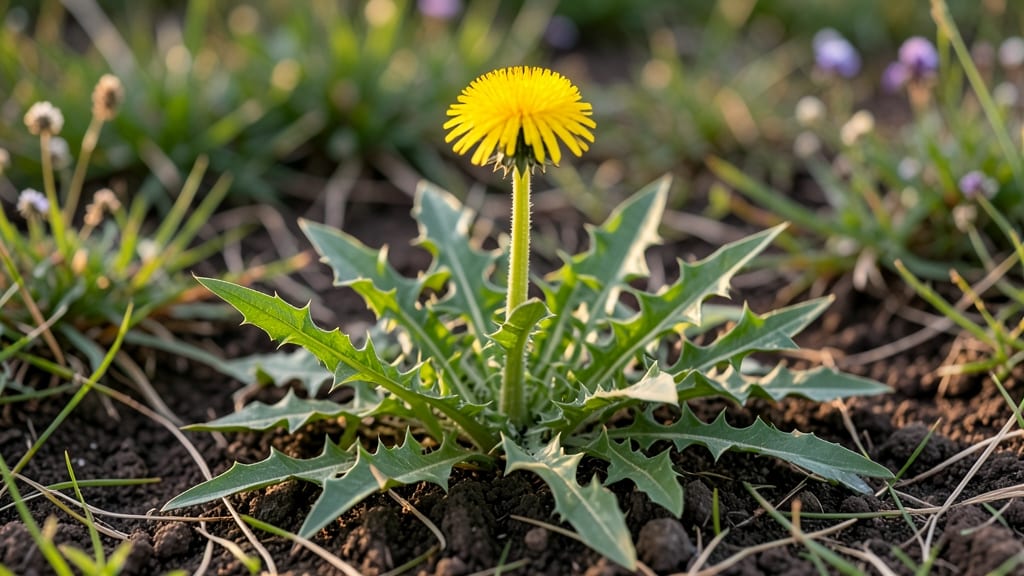
Your lawn could be the sunniest spot on the block—yellow flowers in lawns aren’t just pretty, they’re a bold statement that transforms ordinary grass into a seasonal showstopper. 🌻 I’ve spent years mixing native perennials with annuals to create lawns that bloom from spring through fall, and the best part?
These plants thrive with grass, not against it.
The secret lies in low-growing varieties like coreopsis and black-eyed Susans, which spread gently without crowding your mower. Pair them with early daffodils for spring color, then let rudbeckia take over as summer fades—each plant has its own peak bloom time, so the show never stops.
Even my busy weekends can’t keep up with how little maintenance these actually need.
Picture this: a front yard where every season brings a new wave of golden blooms, from the first daffodil push through snow to the last rudbeckia standing tall in frost.
The scent alone—honey-sweet in morning sun—makes neighbors pause to admire. And the best part? These plants attract pollinators all season long, turning your lawn into a mini ecosystem.
Whether you’re starting small with a few container-grown plants or going full landscape, the key is layering heights and bloom times. I’ll show you exactly how to map it out—no green thumb required, just a willingness to let your lawn shine.
Root Causes Of Sudden Blooms
Those cheerful yellow flowers popping up unexpectedly in your lawn aren’t just a random act of nature—they’re a response to specific environmental triggers. Understanding these causes helps you decide whether to embrace them as seasonal highlights or treat them as unwanted guests.
Here’s why your lawn might be throwing a yellow floral party:
Many lawn grasses, like Fescue or Ryegrass, go dormant in heat or drought, turning brown and brittle. When rains return or temperatures dip, these grasses often rebloom in vibrant yellow or gold as a survival strategy. This isn’t a problem—it’s a natural recovery phase.
- Signs: Patchy brown areas turning bright yellow, especially after dry spells.
- Action: Let it be! Mow when flowers fade to encourage thicker grass growth.
- Pro Tip:💡 Over-seed after blooming to prevent bare spots next season.
Yellow flowers like Dandelions, Clover, or Henbit thrive when lawns are stressed. Compacted soil, poor drainage, or thin grass creates gaps where weed seeds—often dormant for years—suddenly sprout when conditions improve (e.g., after aeration, rain, or fertilizer).
| Weed Type | Trigger | Solution |
|---|---|---|
| Dandelions | Compacted soil, low mowing | Hand-pull or spot-treat with vinegar (for organic yards). |
| Clover | Nitrogen deficiency, thin grass | Apply slow-release fertilizer; overseed. |
| Henbit | Cool, wet springs | Pre-emergent herbicide in early fall. |
Many wildflowers and ornamental grasses bloom in response to temperature changes, particularly when nights stay above 50°F (10°C) after a cold snap. For example:
- Oxalis (shamrock weed) thrives in cool, moist conditions and explodes in yellow blooms.
- Evening Primrose opens flowers only at dusk, triggered by photoperiod (day length).
- Action: If you love the look, let them grow! If not, mow before seed heads form.
Yellow flowers often signal excess moisture, which stresses grass roots but encourages shallow-rooted weeds. Areas with:
- Clay soil (traps water)
- Low-lying spots (water pools)
- Irrigation oversaturation
become prime real estate for yellow-flowered weeds like Chickweed or Creeping Charlie. These plants outcompete grass in soggy conditions.
Fix It: Test soil drainage (dig a 12-inch hole; if water doesn’t drain in 6 hours, amend with sand/compost). Adjust irrigation to 1 inch per week.
Next up: How to decide whether to keep or remove these bold bloomers—and when to intervene!
Quick fixes for reviving lawn blooms
Reviving your lawn’s vibrant yellow flowers doesn’t have to be a guessing game. Whether your blooms are wilting, discolored, or struggling to thrive, targeted solutions can bring them back to life—fast.
Below, we break down the most common causes of yellowing flowers and the practical fixes to restore their beauty, plus tips to keep them healthy long-term.
Fix: Adjust your watering habits and improve soil aeration.
- 🔥 Step 1: Check the Soil Stick your finger 2 inches deep into the soil. If it’s soggy, you’re overwatering.
Yellow flowers often signal root rot or suffocation from excess moisture. - Pro Tip: 💡 Use a moisture meter for accuracy—most yellow-flowering perennials (like black-eyed Susans or coreopsis) prefer 1 inch of water per week, including rainfall.
- 🍳 Step 2: Adjust Watering Schedule Water deeply but less frequently—early morning (6–10 AM) is ideal to reduce evaporation and fungal risks. Avoid wetting the foliage if possible (use drip irrigation or soaker hoses).
- 👨🍳 Step 3: Improve Drainage Amend heavy clay soil with compost or coarse sand (50/50 mix) to help roots breathe. For containers, ensure pots have drainage holes and elevate them slightly.
- ⏰ Prevention: - Test your soil’s drainage by digging a 12-inch hole, filling it with water, and timing how long it takes to drain.
If it takes more than 6 hours, amend the soil. - Mulch around plants (2–3 inches of organic mulch) to regulate moisture and suppress weeds.
Fix: Hydrate properly and protect flowers from scorching.
- 🔥 Step 1: Deep Watering During heatwaves, water every 2–3 days (or daily for shallow-rooted flowers like marigolds). Aim for 1–1.5 inches of water per session to encourage deep root growth.
- 🥘 Step 2: Mulch Like a Pro Apply 3 inches of mulch (straw, shredded bark, or pine needles) to retain moisture and cool roots. Avoid piling mulch against stems to prevent rot.
- 🌡️ Step 3: Provide Shade (Temporarily) If your lawn gets harsh afternoon sun, use shade cloth (30–50%) or plant taller flowers (like sunflowers) as natural windbreaks for delicate blooms.
- ✨ Prevention:
- Water before 10 AM to reduce evaporation.
- Choose heat-tolerant yellow flowers like blanket flower (Gaillardia) or beard tongue (Penstemon) for future plantings.
Fix: Feed your flowers the right nutrients.
- 🔥 Step 1: Soil Test First Grab a DIY soil test kit (or send a sample to your local extension office) to identify deficiencies.
Yellowing often signals: - Pale yellow leaves? → Nitrogen deficiency (common in fast-growing flowers like zinnias). - Yellow between veins? → Iron deficiency (chlorosis, often in alkaline soil). - Yellow edges with green veins? → Magnesium or potassium deficiency.
- 🍳 Step 2: Apply Targeted Fertilizers
- For nitrogen: Use a balanced fertilizer (10-10-10) or compost tea every 4–6 weeks.
- For iron: Sprinkle iron chelate or Epsom salt (1 tbsp per gallon of water) monthly for chlorotic plants.
- For magnesium: Work dolomitic lime into the soil (follow package rates).
- 👨🍳 Step 3: Boost Organic Matter Mix well-rotted compost or worm castings into the top 6 inches of soil to improve nutrient availability.
- 🎯 Prevention:
- Feed in spring (when flowers are establishing) and early summer (for blooming).
- Avoid high-phosphorus fertilizers (like bone meal) unless you’re growing bulbs—they can burn roots.
Fix: Identify the culprit and treat it organically.
- 🔥 Step 1: Inspect for Signs
- Sticky residue? → Aphids (they excrete honeydew).
- Tiny webs? → Spider mites (check undersides of leaves).
- White powdery coating? → Powdery mildew (common in humid weather).
- 🥘 Step 2: Treat Accordingly - Aphids/Mites: Spray with neem oil (2 tbsp per gallon of water) or insecticidal soap.
Repeat every 5–7 days. - Powdery Mildew: Apply baking soda spray (1 tsp baking soda + 1 tbsp oil + 1 gallon water) or copper fungicide. - Grubs/Beetles: Use beneficial nematodes or milky spore for long-term control.
- 🔪 Step 3: Prune and Clean Up Remove infected leaves or stems immediately and dispose of them in the trash (not compost). Space plants for better airflow to prevent fungal spread.
- 🌡️ Prevention:
- Rotate crops if growing annuals to disrupt pest life cycles.
- Plant companion flowers like marigolds (repel aphids) or nasturtiums (trap pests).
- 💡 Trim Back Deadheads: Encourages new blooms and improves airflow.
- 🌱 Divide Overcrowded Plants: Every 2–3 years, split clumps of perennials to reduce competition.
- 🌡️ Monitor pH: Aim for 6.0–7.0—adjust with sulfur (to lower) or lime (to raise) if needed.
Remember: Yellow flowers can be a sign of opportunity—whether it’s a chance to refresh your soil, adjust care, or upgrade to hardier varieties. With these fixes, your lawn will be bursting with bold, happy yellow blooms in no time! 🌼✨
Frequently asked questions
What are the best yellow flowers for full-sun lawns?
For sun-drenched lawns, try black-eyed Susans (Rudbeckia hirta) or coreopsis—both thrive in heat and spread gently. Daylilies (Hemerocallis) and blanket flowers (Gaillardia) also handle full sun beautifully. These perennials return year after year with minimal care.
Can I plant yellow flowers directly in grass?
Yes! Use a lawn corer or hand trowel to create small holes (3–4 inches deep), then plant bare-root perennials or small pots. Water deeply after planting. For annuals, simply cut small sections of grass and tuck them aside to expose soil before planting.
How do I keep yellow flowers blooming all season?
Deadhead spent blooms regularly to encourage new flowers. For perennials, fertilize lightly in spring with 10-10-10 and mulch with 2–3 inches of compost. Annuals like marigolds need consistent watering (1 inch per week) and occasional pruning to stay bushy.
Are there yellow flowers that attract pollinators?
Goldenrod, bee balm, and sunflowers are pollinator magnets. Even dandelions (if you tolerate them) provide early-season nectar. Plant these near your lawn edges for maximum impact—hummingbirds and bees will thank you!
When is the best time to plant yellow flowers in lawns?
Spring (after last frost) and early fall (6–8 weeks before first frost) are ideal. For perennials, fall planting gives roots time to establish before winter. Annuals can go in anytime after soil warms to 50°F (10°C), but spring ensures summer-long blooms.