
Lawn
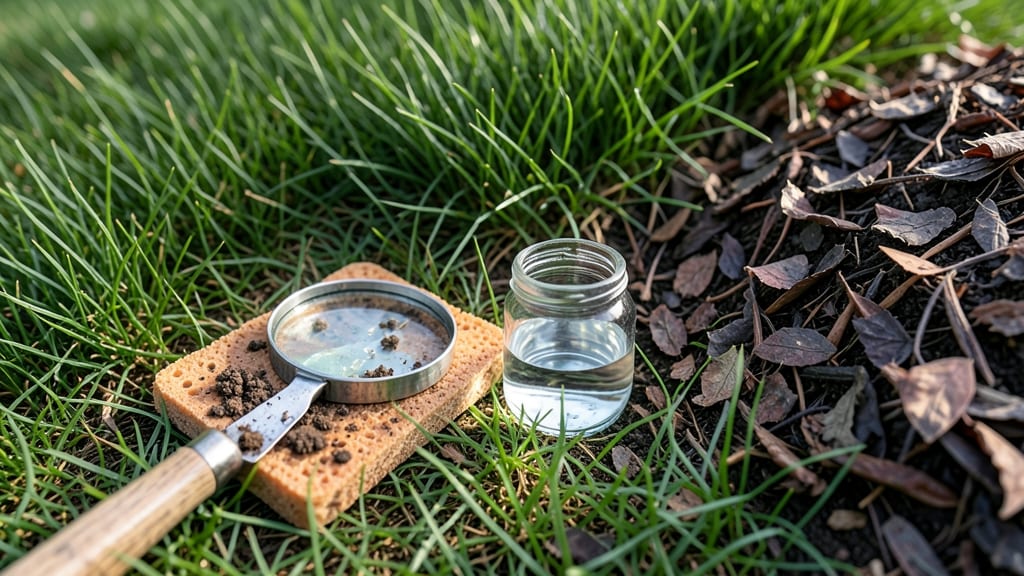
Why have I got mushrooms in my lawn?—it’s not a sign of a haunted garden, but rather nature’s way of telling you something’s off. 🌱 I’ve seen this happen after heavy rains, in shady spots, or where grass is thin, and the good news is you can fix it without chemicals. Most lawn mushrooms are harmless, but they’re a symptom of deeper issues like poor drainage or compacted soil.
First, identify what’s growing: most lawn mushrooms are just decomposing organic matter, but a few (like the deadly galerina) should be avoided. Grab a picture and check local resources—then focus on drying out the soil with better drainage or aeration.
Raking up the mushrooms helps, but the real fix is improving air and water flow below the surface.
Within 72 hours, you can start raking and aerating to break up thatch, and within a few weeks, your lawn will look healthier. The key is consistent care: test your soil, adjust watering, and consider overseeding bare patches. Think of mushrooms as a wake-up call for your lawn’s health.
This works for any lawn type—cool-season grasses, warm-season blends, or even patchy areas. The secret is patience and the right tools. Let’s get that grass growing strong again.
The Hidden Triggers Behind Lawn Mushrooms
If your lawn is suddenly dotted with mushrooms, don’t panic—you’re not alone! These fungal friends (or foes, depending on your perspective) appear for specific reasons, often tied to your soil’s health and moisture levels.
Understanding the root causes—literally—helps you tackle the problem efficiently. Here’s why mushrooms pop up in your grass and what’s really going on underground.
Mushrooms thrive in damp, shaded environments, making overwatering or poor drainage their favorite conditions. When soil stays soggy for long periods—whether from heavy rain, irrigation oversaturation, or compacted ground—it creates the perfect breeding ground for fungal spores.
These spores lie dormant in the soil until moisture triggers their growth, often emerging as mushrooms within 24–48 hours of ideal conditions.
💡 Pro Tip: Test your soil’s drainage by digging a small hole (6 inches deep) and filling it with water. If it drains slowly (more than 4 hours), your lawn may need aeration or sand amendments to improve airflow.
Mushrooms are nature’s recyclers—they break down dead plant material, compost, and even buried wood. If your lawn has thatch buildup (a layer of dead grass clippings), fallen leaves, or buried tree roots, fungi will colonize these nutrient-rich zones.
Even old mulch or compost piles near the lawn can spread spores, leading to sudden mushroom outbreaks.
🔥 Action Step: Rake up thick thatch or debris, and avoid over-mulching near grass edges. If you’ve recently tilled or dug, fungi may rise to the surface as they decompose fresh organic matter.
While mushrooms themselves aren’t pests, they often hitchhike on grubs, beetles, or other burrowing insects. These critters tunnel through the soil, aerating it and creating pockets where fungal spores can take hold. Common culprits include:
- Japanese beetle grubs (C-shaped, white larvae)
- Chafer grubs (smooth, cream-colored)
- Billbugs (small, worm-like)
When these pests feast on roots, they weaken grass and leave behind tunnels—ideal real estate for mushrooms to sprout.
🎯 Solution: Treat grub infestations with beneficial nematodes or grub-specific insecticides (like imidacloprid) in early summer. Healthy grass crowds out pests naturally!
Mushrooms love low-light conditions because shade slows down grass growth, leaving fungal spores unchallenged. Additionally, compacted soil (from foot traffic, heavy equipment, or clay-heavy ground) restricts root development and traps moisture—two more triggers for mushroom growth. Compacted areas also prevent water from draining, creating the perfect "mushroom greenhouse."
🌡️ Fix It: Aerate compacted spots in spring or fall, then top-dress with compost to improve structure. If shade is the issue, thin out dense tree branches or plant sun-loving grasses like Kentucky bluegrass or perennial ryegrass.
Now that you know the real reasons behind those unexpected lawn mushrooms, you’re one step closer to a cleaner, healthier yard. The key? Balance moisture, reduce organic buildup, and boost soil health—and those fungi will have nowhere left to hide. 🚀
Quick Fixes for Mushroom Problem
Finding mushrooms sprouting in your lawn can feel like an unwelcome surprise, but the good news is that most cases can be resolved with targeted action.
Below, we’ll break down the best solutions based on the likely cause—whether it’s excess moisture, decaying organic matter, or hidden pests—along with prevention tips to keep your lawn lush and fungus-free.
---
If your lawn is soggy or poorly drained, mushrooms thrive in damp conditions. Here’s how to fix it:
🔥 Fix the Drainage - 👨🍳 Test your soil: Dig a small hole (6 inches deep) and fill it with water. If it drains in under an hour, your soil is okay. If not, you’ve got poor drainage. - 🥘 Improve drainage: Spread a 1-inch layer of coarse sand or perlite over the affected area, then top with fresh topsoil. For larger yards, consider installing a French drain or swales (shallow trenches) to redirect water.
⏰ Reduce Watering - 🎯 Water deeply but less often: Instead of daily light sprinkles, water your lawn 1–1.5 inches per week (including rain). Early morning is best to allow evaporation. - 💡 Avoid overwatering: Mushrooms love moisture—adjust your sprinkler system or manual watering to keep soil just damp, not soggy.
🌡️ Aerate the Soil - ✨ Rent a core aerator (or hire a pro) to poke holes in compacted soil. This helps water drain faster and reduces fungal growth.
---
Mushrooms often sprout from rotting logs, leaves, or buried debris. Here’s how to clean up:
🔪 Clear the Debris - 👨🍳 Inspect your lawn for hidden logs, stumps, or thick layers of leaves. Remove them completely—even small pieces can regrow mushrooms. - 🥘 Use a shovel or rake to dig out buried wood or compost piles. If the mushrooms keep coming back, the source might be deeper—dig further!
🌱 Replace with Fresh Soil - 🎯 After removal, cover the area with a 2-inch layer of fresh topsoil or compost. This cuts off the food source for mushrooms. - 💡 Pro tip: If the spot stays bare, overseed with grass seed to restore your lawn faster.
---
If grubs or larvae are munching underground, mushrooms are just a side effect. Here’s how to tackle pests:
🔥 Apply Beneficial Nematodes - **👨🍳 Buy Heterorhabditis bacteriophora (a natural grub-killer) and apply them to the lawn in the evening when it’s damp. These microscopic worms seek out and destroy grubs. - 🥘 Follow package instructions—usually, you’ll mix them with water and spray over the lawn.
🍄 Use Organic or Chemical Grub Control - 🎯 Organic options: - Milky spore powder (for Japanese beetle grubs). - Neem oil spray (repels pests and disrupts their life cycle). - 💡 Chemical options (if severe): - Imidacloprid or trichlorfon granules (follow label rates). Reapply every 4–6 weeks if needed.
⏰ Monitor and Repeat - 🌡️ Check for grubs by digging up a small section of soil (1–2 inches deep). If you see white, C-shaped larvae, treatment is needed. - ✨ Prevent future infestations by maintaining a healthy lawn—thick grass crowds out pests!
---
Once your lawn is mushroom-free, keep it that way with these habits:
- 💡 Mow high (3–4 inches)—taller grass shades out moisture and discourages fungal growth. - 🎯 Fertilize properly—over-fertilizing (especially with nitrogen) can feed mushrooms.
Use a balanced, slow-release fertilizer in early spring and fall. - 🔥 Keep leaves and debris cleared—rake up fallen leaves promptly, especially in damp areas. - ✨ Test your soil—if it’s too acidic (pH below 6.0), mushrooms thrive.
Adjust with lime if needed. - 🌱 Overseed bare spots—thin grass invites mushrooms. Plant fescue or ryegrass for a dense, healthy lawn.
--- By addressing the root cause—whether it’s moisture, debris, or pests—you’ll banish mushrooms and keep your lawn looking its best. Act fast, stay consistent, and your grass will thank you!** 🌱💚
Frequently asked questions
Are lawn mushrooms dangerous to my family or pets?
Most lawn mushrooms are harmless—they’re just nature’s way of breaking down organic matter. However, a few toxic varieties (like the deadly galerina) exist. If you’re unsure, avoid touching them and keep pets/kids away. Always check local resources or take a photo to identify unknown mushrooms before removal.
Will raking up mushrooms make them come back?
Raking removes the visible mushrooms, but they’ll return if the underlying conditions (moisture, debris, or pests) persist. Focus on improving drainage, clearing organic matter, and treating grub infestations to prevent regrowth. Think of it as addressing the symptom and the root cause.
Can I use vinegar or bleach to kill lawn mushrooms?
Vinegar (3% acetic acid) can kill mushrooms on contact, but it won’t address the soil conditions causing them. Bleach is too harsh for lawns—it damages grass and disrupts soil microbes. Stick to natural solutions like raking, aerating, or applying beneficial nematodes for pests.
How long does it take to eliminate mushrooms from a lawn?
With immediate action (raking, improving drainage, and treating pests), you’ll see fewer mushrooms within 3–7 days. However, full eradication may take 2–4 weeks as spores decompose. Consistency is key—focus on long-term soil health to prevent recurrence.
Are lawn mushrooms a sign of poor lawn care?
Not necessarily! Mushrooms often appear after heavy rain or in shady, damp spots—even well-maintained lawns can get them. They’re more of a soil health indicator than a lawn care failure. The real red flags are persistent mushrooms after addressing moisture/debris, which may signal compacted soil or pest issues.