
Lawn
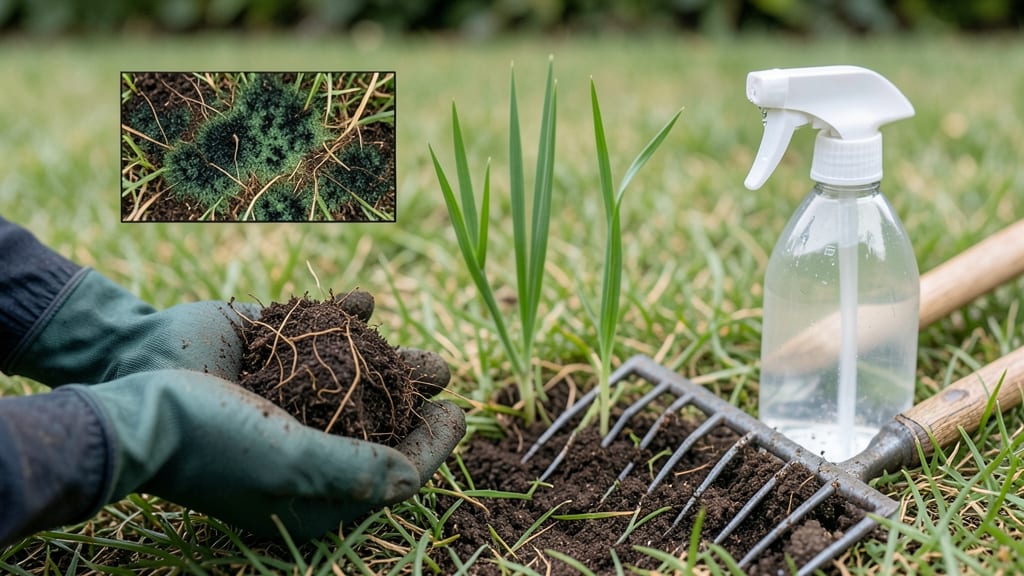
Why do I have these dark green spots on my lawn? Those mysterious patches aren’t just random—they’re usually a sign of fungal blight or over-fertilization. 🌱 I’ve seen this puzzle countless times, and the fix starts with understanding what’s actually happening beneath the surface. The spots might look lush, but they’re often a sign of stress, not health.
Most people assume dark green means thriving, but it’s usually a red flag for nitrogen overload or fungal growth like dollar spot. Check the soil moisture—if it’s consistently damp, you’re dealing with a fungal issue. Over-fertilization creates that glossy look while weakening grass roots, making them vulnerable to disease.
Fixing it is simpler than you’d think: adjust your watering schedule, aerate compacted soil, and apply a balanced fertilizer. Within a few weeks, your lawn will bounce back with a uniform green that’s actually healthy, not just masked. The key is patience and precision.
This works for both cool-season and warm-season grasses, so don’t worry if you’re not sure what type you have. Start with a soil test—it’s the best way to know exactly what your lawn needs to stop the cycle of dark green deception.
Root Causes Of Dark Green Spots
Dark green spots on your lawn aren’t just unsightly—they’re often a sign that something’s off beneath the surface. Whether it’s an overzealous lawn care routine or a hidden pest problem, understanding the why behind these spots is the first step to fixing them.
Let’s break down the most common culprits and what they mean for your grass.
Fertilizer is like food for your lawn, but when you overdo it—especially with nitrogen-heavy blends—your grass can’t absorb it all at once. This leads to fertilizer burn, where excess salts and nutrients accumulate in the soil, creating dark, discolored patches.
- How it happens: Applying fertilizer too frequently, using high-nitrogen products, or watering improperly after fertilizing can cause buildup.
- Visual clues: Dark green or even blackened spots that feel slightly crusty or powdery. The grass may also appear stunted or wilted around the edges.
- Actionable fix:
- ✅ Flush the soil: Water deeply (1–2 inches) to help leach out excess salts. Repeat every few days until the spots fade.
- ✅ Adjust your routine: Space out fertilizations 4–6 weeks apart and use a slow-release formula to prevent spikes in nutrient levels.
- ✅ Test your soil: A simple soil test kit can tell you if your lawn is getting too much nitrogen or other nutrients.
Dark green spots can also signal a fungal infection, particularly if they appear after wet weather, poor drainage, or thick thatch buildup. Fungi like dollar spot or brown patch thrive in humid, shaded, or overwatered conditions, leaving behind velvety or slimy patches that may smell musty.
- How it happens: Fungi spores lurk in the soil and activate when grass is stressed (from heat, drought, or compacted soil) or when moisture lingers for too long.
- Visual clues:
- Dark green or coppery spots that may turn brown or gray as the fungus spreads.
- Thin, stringy mycelium (like cobwebs) in the morning dew.
- Spots often appear in circular patterns and spread outward.
- Actionable fix:
- ✅ Improve airflow: Thin out dense grass with a mower or rake to reduce humidity.
- ✅ Adjust watering: Water early in the morning and avoid overhead sprinklers that keep leaves wet overnight.
- ✅ Fungal treatment: Apply a copper-based fungicide or a natural remedy like baking soda + water spray (1 tbsp baking soda + 1 gallon water) for mild cases.
- ✅ Aerate compacted soil: Use a core aerator to break up thatch and improve drainage.
If your dark green spots are actually thin or spongy when you walk on them, grubs or other soil-dwelling insects could be the culprits. These pests chew through grass roots, leaving behind patches that recover slowly or turn brown if the damage is severe.
- How it happens: Japanese beetles, white grubs, or chinch bugs lay eggs in the soil. When larvae hatch, they feast on roots, weakening the grass.
- Visual clues:
- Spots that pull up easily like a carpet (revealing white grubs underneath).
- Birds or raccoons digging in your lawn (a sure sign of grubs!).
- Grass that recovers slowly after mowing or foot traffic.
- Actionable fix:
- ✅ Inspect for grubs: Dig up a small patch of sod—if you see C-shaped white larvae, you’ve got grubs.
- ✅ Apply grub control: Use a beneficial nematode treatment or a grub-specific insecticide (like imidacloprid) in early summer or fall.
- ✅ Encourage predators: Attract birds or beneficial insects like ground beetles by keeping a diverse lawn ecosystem.
If your lawn sits in low-lying areas or gets waterlogged after rain, poor drainage can create dark, waterlogged spots where grass struggles to breathe. Similarly, compacted soil from foot traffic or heavy equipment cuts off oxygen and nutrients, leading to stressed, discolored patches.
- How it happens: Clay-heavy soil, lack of slope, or frequent high-heeled shoes/lawn chairs can compress soil over time.
- Visual clues:
- Spots that stay soggy even hours after rain.
- Grass that feels hard or spongy underfoot.
- Weeds like creeping charlie or moss taking over wet areas.
- Actionable fix:
- ✅ Test drainage: Dig a small hole—if water doesn’t drain within 6 hours, you’ve got poor drainage.
- ✅ Aerate & overseed: Rent a core aerator to pull out soil plugs, then top-dress with compost or sand to improve structure.
- ✅ Add organic matter: Spread a thin layer of peat moss or compost to help break up compacted soil.
- ✅ Reroute water: Install French drains or slope soil away from problem areas.
Pro Tip: 🔍 Before treating, grab a small shovel and dig into a spot to check for grubs, fungal threads, or compacted soil—this’ll tell you exactly what’s causing the issue!
Quick Fixes for Lawn’s Dark Green Spots
Dark green spots on your lawn aren’t just unsightly—they’re often a sign that something’s off beneath the surface. Whether it’s a fungal infection, over-fertilization, or poor drainage, each cause needs a targeted approach to restore your grass to its lush, even green.
Below, we’ve broken down practical, step-by-step solutions for the most common culprits, plus tips to keep your lawn thriving long-term.
Fungal infections thrive in warm, damp conditions, turning patches of grass a dark, almost velvety green before progressing to brown or yellow. Here’s how to tackle them:
1️⃣ Improve Airflow and Drainage 🌬️💦
Fungi love stagnant moisture, so break up compacted soil and aerate your lawn to help water drain faster.
- How to do it: Rent a core aerator (or use a manual spike aerator for small areas) and work it into the soil in early morning or late afternoon to avoid stressing the grass.
- Pro tip: 💡 Follow up by top-dressing with a thin layer of compost or sand to improve soil structure.
2️⃣ Apply a Fungicide 🛡️🍄
For stubborn fungal spots, a systemic fungicide (like propiconazole or myclobutanil) can stop the spread. - When to apply: Early morning or evening to avoid UV damage.
Follow the label for dosage—overuse can harm beneficial microbes. - DIY alternative: A baking soda spray (1 tbsp baking soda + 1 gallon water + a drop of dish soap) can help for minor issues, but it’s not a long-term fix.
3️⃣ Adjust Your Watering Habits 💧⏰
Fungi spread when grass stays wet for too long. Water deeply but infrequently (1–1.5 inches per week) and avoid evening watering to let the lawn dry overnight.
- Best practice: Use a rain gauge or tuna can to measure water output from your sprinklers.
4️⃣ Mow Higher and Sharper 🌱✂️
Taller grass (3–4 inches) shades out fungi, while dull mower blades tear grass, making it vulnerable.
- Mowing tips:
- Never cut more than 1/3 of the grass blade at once.
- Sharpen blades monthly to prevent tearing.
Too much nitrogen or improper fertilizer application can leave dark, almost burnt-looking green patches where grass struggles to recover.
1️⃣ Flush the Soil with Water 🚰💦
Excess fertilizer salts build up in the soil, blocking water and nutrients. Deep watering (1–2 inches) helps leach out the excess.
- How to do it: Use a soaker hose or sprinklers set to a slow, steady rate over 2–3 days.
2️⃣ Test Your Soil 📊🌍
Over-fertilization is often a symptom of poor soil health.
Get a soil test (kits are cheap and available at garden centers) to check pH and nutrient levels. - What to do with results: - If pH is off, amend with lime (for acidic soil) or sulfur (for alkaline soil). - If nitrogen is high, switch to a slow-release fertilizer or organic options like composted manure.
3️⃣ Overseed Damaged Areas 🌱🌾
If grass is thin or dead in spots, overseeding will fill in bare patches. - Steps:
- Rake the area to loosen soil.
- Spread grass seed (choose a shade-tolerant variety if the spot is under trees).
- Lightly cover with straw or compost to retain moisture.
- Water gently daily until germination (usually 7–14 days).
4️⃣ Switch to a Balanced Fertilizer 🧪🌿
Avoid high-nitrogen fertilizers (like "weed-and-feed" products). Instead, opt for a balanced formula (e.g., 10-10-10 or 16-4-8) or organic options like:
- Compost tea
- Fish emulsion
- Alfalfa meal
If dark spots appear in low-lying or shady areas, the issue is likely waterlogging or lack of sunlight.
1️⃣ Level the Lawn or Add Fill Dirt 🏗️💨
For sunken spots, add topsoil or sand to improve drainage.
- How to do it:
- Dig out the low spot slightly deeper.
- Mix in sand or compost (50/50 ratio) and tamp it down.
- Overseed and water lightly.
2️⃣ Choose Shade-Tolerant Grass 🌳🌱
If the spot is under trees, switch to a shade-loving grass like:
- Fine fescue
- Kentucky bluegrass (some varieties)
- Creeping red fescue
3️⃣ Improve Soil Aeration in Wet Areas 🌱💨
Compacted soil worsens drainage. Aerate in fall or spring, then top-dress with compost to help water absorb better.
Once you’ve fixed the issue, proactive care will keep your lawn lush and even:
- 🌡️ Mow at the right height (3–4 inches for most grasses).
- ⏳ Water early morning (4–8 AM) to reduce fungal risk.
- 🌱 Test soil annually to adjust fertilizers.
- 🍄 Clean mower decks after each use to prevent fungal spread.
- 🌿 Dethatch in spring if thatch is over ½ inch thick.
- 🌱 Overseed thin areas in fall for a denser lawn.
If dark spots persist after treatment or spread rapidly, consult a lawn care specialist. They can diagnose:
- Hidden pests (like grubs or chinch bugs).
- Soil-borne diseases needing professional fungicides.
- Drainage issues requiring French drains or grading adjustments.
Frequently asked questions
Are dark green spots always a sign of a problem?
Not necessarily! While they often indicate stress or disease, some grass varieties naturally develop darker patches in shaded areas or after heavy dew. The key difference is health: if the grass feels soft, spongy, or pulls up easily, it’s likely a problem. Healthy dark spots should have firm roots and no signs of thinning.
How can I tell if my dark spots are from fungus or fertilizer?
Check the texture: fungal spots often feel velvety or slimy (especially in morning dew) and may have stringy threads when pulled up. Fertilizer burn spots usually look crusty or powdery and may have yellowing edges. Dig a small sample—fungus will show mycelium, while fertilizer spots reveal excess salts.
Will rain make dark green spots worse?
It depends! For fungal issues, yes—excess moisture spreads spores. But for dry, compacted soil, rain can help by loosening the ground. If your spots are waterlogged after storms, you likely have poor drainage or thatch buildup. Always water in the morning (4-8 AM) to let grass dry before nightfall.
Can I use vinegar to treat dark green spots?
Not recommended! While vinegar kills weeds, it’s too harsh for grass and will burn healthy patches too. For fungal spots, try a 1% hydrogen peroxide spray (3% diluted 1:10) instead. For fertilizer burn, flush with 1-2 inches of water over 2-3 days. Always spot-test any treatment first.
How long until I see improvement after treatment?
Mild cases show results in 1-2 weeks with proper care, but severe fungal infections or compacted soil may take 4-6 weeks. Fungicides work fastest (3-7 days), while soil amendments like aeration or compost take longer. Monitor progress and reapply treatments if spots return after 3 weeks.