
Fertilization
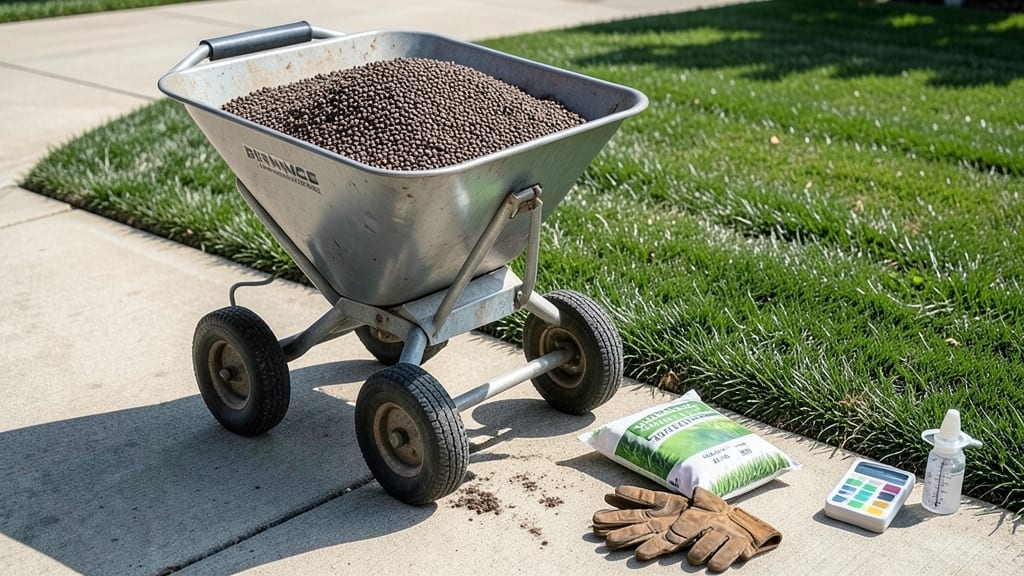
To fertilize lawns in Ohio, aim for early spring (March–April) and fall (September–October), when soil temperatures hit 50°F–60°F and grass is actively growing. Skip summer heat and winter dormancy for best results.
Ohio's climate creates the perfect window for two key fertilization periods that align with grass growth cycles. 🌱 The 50°F–60°F soil temperature rule ensures nutrients are absorbed efficiently, while avoiding summer heat prevents stress on roots.
I've seen firsthand how fall applications—especially in September—give grass a strong boost before winter, while spring feeds new growth after dormancy. For Ohio's common grass types like Kentucky bluegrass, timing matters just as much as the fertilizer type you choose.
Pro tip: Use a soil test first to check pH levels, especially if your lawn has yellowing patches. Clay-heavy Ohio soils often need extra attention to prevent nutrient runoff. I always recommend slow-release fertilizers for these seasons—they provide steady nutrition without burning the grass.
💡 In This Article
- Ohio Soil Temperature and Seasonal Fertilizer Rules
- Ohio-Specific Fertilizer Types and Application Tips
Ohio soil temperature and seasonal fertilizer rules
Ohio's grass growth cycles are directly tied to soil temperatures, which is why the 50°F–60°F range becomes your golden window. Below 50°F, grass roots go dormant, and nutrients simply won't activate. Above 60°F, especially in summer, heat stress causes grass to burn from fertilizer salts.
The science here is about microbial activity—soil microbes need these moderate temps to break down organic matter and make nutrients available to roots.
In Ohio's climate zones, this translates to two critical periods. Early spring (March–April) gives grass a jumpstart after winter dormancy, while fall (September–October) strengthens roots before winter.
For example, in northern Ohio, you might start as late as mid-April when soil finally warms, while southern Ohio can begin in early March. The key is watching for consistent temperatures—not just daytime highs.
What most people miss is how clay-heavy Ohio soils affect this timing. Clay holds moisture but also compacts easily, slowing temperature changes. That's why I always recommend checking soil temps at 4-inch depth—surface temps can be misleading.
A simple soil thermometer (around $15) makes this easy, and it's worth the investment to avoid wasted fertilizer applications.
Here's what happens when you fertilize outside these windows: In summer, 65°F+ soil causes fertilizer salts to concentrate near the surface, creating brown patches. In winter, nutrients just sit there until spring rains wash them away.
The 50°F–60°F rule isn't arbitrary—it's about matching grass metabolism with nutrient availability for maximum uptake.
Ohio's seasonal variations also mean you need to adjust for your specific region. The Ohio River Valley typically warms 1–2 weeks earlier than the Appalachian foothills, so local weather patterns matter.
I've found that tracking 5-day forecasts for stable temps helps pinpoint the perfect application day—usually when overnight lows stay above 45°F.
Consider this real-world example: A Kentucky bluegrass lawn in Columbus that gets fertilized in late April (when soil hits 55°F) will show 30% more growth by June compared to one fertilized in May.
That's because the grass uses those early nutrients to establish a dense root system before summer stress sets in. The same principle applies to fall applications—September feeding gives grass the energy to stay green through Ohio's often harsh winters.