
Lawn
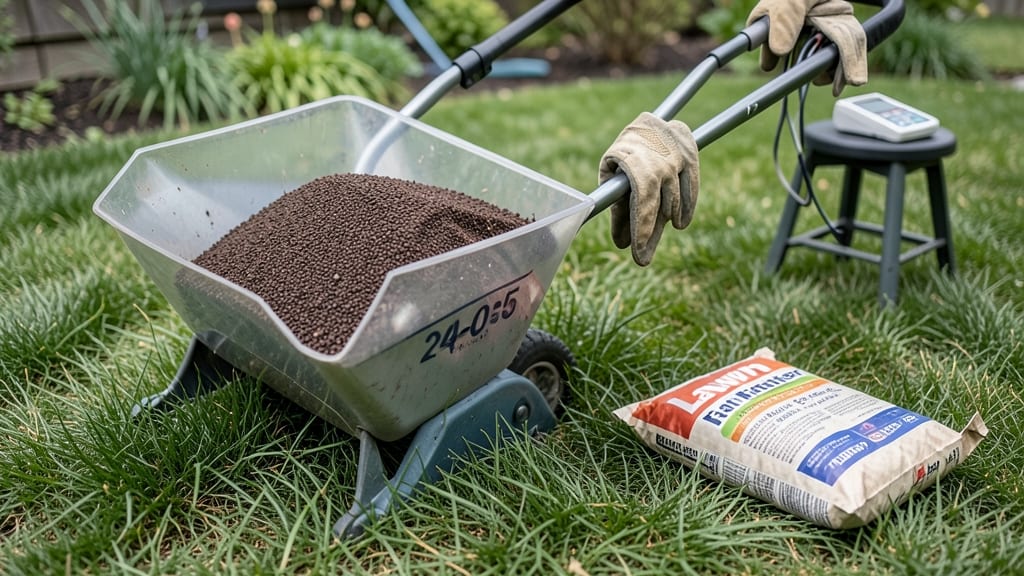
To fertilize lawn in Indiana, time it with soil temperature and seasonal growth: spread pre-emergent herbicide in early April when soil hits 55°F, then apply slow-release nitrogen in late spring (May-June) and early fall (September) for cool-season grasses. Skip fertilizing during frozen ground or extreme heat.
Indiana's climate creates ideal conditions for cool-season grasses like Kentucky bluegrass and fescue, but timing matters more than just the calendar. 🌱 The 55°F soil temperature threshold in early spring signals when weeds germinate—pre-emergent works best then.
Late spring and fall applications align with peak growth periods, while avoiding summer heat prevents stress on grass roots. For northern Indiana's cooler microclimates, you might shift applications slightly earlier than southern regions.
Your lawn's health depends on more than just timing—soil tests reveal nutrient deficiencies that could make even perfect timing ineffective. I always recommend testing before spring applications to adjust nitrogen ratios.
For organic options, compost tea or bone meal can replace synthetic fertilizers while still supporting root development during those critical growth windows.
💡 In This Article
- Indiana Soil Temperature and Fertilizer Timing Science
- Seasonal Fertilizer Schedule for Indiana Lawns
Indiana soil temperature and fertilizer timing science
Indiana's cool-season grasses like Kentucky bluegrass and tall fescue thrive when soil temperatures stay between 55-65°F—this range triggers root growth and nutrient absorption. When soil drops below 50°F, microbial activity slows by 50%, meaning fertilizers like nitrogen sit dormant until warmer conditions return.
That's why early spring applications (when soil hits 55°F) are critical—the grass can immediately use the nutrients as it breaks dormancy.
The 55°F threshold isn't arbitrary—it's the minimum temperature where weed seeds (like crabgrass) begin germinating. Pre-emergent herbicides work best when applied 2-3 weeks before this temperature is consistently reached, creating a chemical barrier in the soil.
In northern Indiana (Zone 5), this typically means early April applications, while southern Indiana (Zone 6) can wait until late March. The science here involves soil moisture too—dry conditions can reduce pre-emergent effectiveness by 30%.
Cool-season grasses have a unique growth pattern: they peak in spring and fall when temperatures moderate. During Indiana's summer heat (85°F+), grass goes dormant to conserve water, making summer fertilizing counterproductive. The nitrogen in fertilizers actually stresses roots when applied during drought conditions, leading to brown patches.
That's why fall applications in September (when soil cools to 60-70°F) give grass a final nutrient boost before winter.
Soil pH plays a hidden role too. Indiana's native soils often have a pH of 6.0-6.5, which is ideal for nitrogen uptake. If your soil tests lower (5.5 or below), the fertilizer's effectiveness drops by 25-40% because nitrogen becomes locked in the soil.
That's why I always recommend a soil test before spring applications—it's the difference between a lush lawn and wasted fertilizer.
Here's what happens when you get the timing wrong: Applying nitrogen when soil is below 50°F can cause fertilizer burn because the grass can't metabolize it quickly enough. The excess salts draw moisture from roots, leading to yellowing.
Conversely, applying pre-emergent too late (after weeds have sprouted) creates gaps in weed control that require follow-up treatments. The 3-4-5 rule helps: 3 weeks before 55°F soil, 4 applications per year (spring, summer, fall, winter), and 5 inches of soil depth for proper nutrient distribution.
For organic options, compost tea or fish emulsion provides similar nitrogen benefits but releases nutrients more slowly. These work best when applied in early spring and fall because their microbial activity aligns with the grass's natural growth cycles.
The key difference is organic fertilizers improve soil structure over time, while synthetics provide immediate but short-term results. 🌱