
Lawn
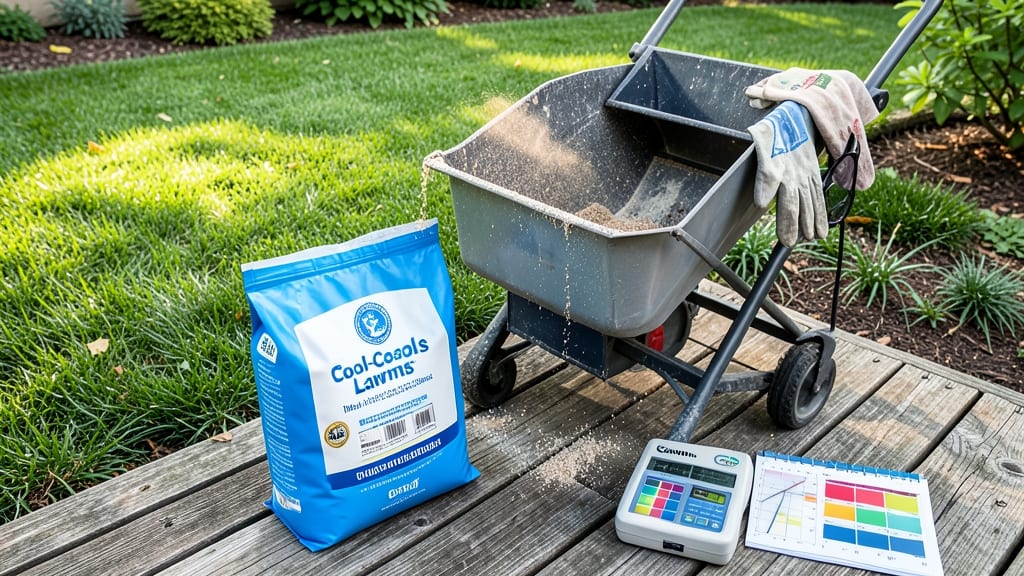
Fertilizing lawn in Northern California at the right time—early spring and fall—is the secret to a lush, drought-resistant yard without wasting water or money.
Struggling to keep your Northern California lawn 🌱 vibrant despite drought conditions? Timing your fertilizer applications correctly could mean the difference between a brown patch and a vibrant green carpet—without wasting water or money.
Cool-season grasses like fescue and ryegrass thrive with two key feedings: once in early spring to break winter dormancy and again in fall to prepare for cooler months. Warm-season grasses like Bermuda or Zoysia, common in inland areas, need their boost in late spring or early summer.
Below, I’ll break down the exact month-by-month schedule for your region—whether you’re in the Bay Area, Sacramento, or the Sierra foothills—plus soil-testing tips and the best fertilizer types to save water and avoid runoff.
Optimal Northern California lawn fertilization schedule by season (spring & fall focus)
Northern California’s unique microclimates—from the coastal fog of the Bay Area to the hotter inland valleys—demand a tailored approach to lawn fertilization. Cool-season grasses like fescue and ryegrass thrive in spring and fall, while warm-season Bermuda and Zoysia need summer attention.
Timing your fertilizer applications with temperature triggers and rainfall patterns ensures lush growth without wasting resources.
Most Northern California lawns benefit from two primary fertilization windows: early spring (March-April) and fall (September-October). These periods align with grass growth cycles and local rainfall patterns, maximizing nutrient uptake while minimizing runoff.
For drought-prone areas like Sacramento or the Sierra foothills, adjust schedules to avoid summer stress when water restrictions tighten.
🌱 Key Rule: Never fertilize when rain is forecasted within 48 hours, as nutrients will wash away. Always water deeply 24 hours before applying fertilizer to prepare the soil.
| Season | Grass Type | Best Months | Temperature Trigger | Fertilizer Type |
|---|---|---|---|---|
| Spring | Cool-season (Fescue, Ryegrass) | March-April | 50-65°F soil temps | High-nitrogen (16-4-8) |
| Spring | Warm-season (Bermuda, Zoysia) | May-June | 70-80°F soil temps | Balanced (10-10-10) |
| Fall | Cool-season (Fescue, Ryegrass) | September-October | 60-70°F soil temps | Slow-release (14-0-0) |
| Summer | Warm-season (Bermuda, Zoysia) | July-August | 80-90°F soil temps | Potassium boost (5-10-15) |
| Winter | All Grasses | November-February | Below 50°F soil temps | None (dormancy) |
For Bay Area lawns, prioritize early spring fertilization (late February to March) when daytime temps consistently stay above 55°F. Coastal fog delays warming, so monitor soil temps with a soil thermometer—aim for 50-65°F before applying nitrogen-heavy fertilizers.
In Sacramento or the Central Valley, shift fertilization 2-3 weeks earlier (late February) to capitalize on warmer soil temps.
Fall fertilization is critical for cool-season grasses, as it strengthens roots before winter dormancy. Apply a slow-release fertilizer 6-8 weeks before your first frost (typically mid-October in Sacramento, late November in coastal areas).
This timing ensures nutrients are available when grass resumes growth in spring. For warm-season grasses, a potassium-rich fertilizer in late summer (August) helps harden off blades before winter.
Adjust your schedule if drought conditions persist. Skip summer fertilization entirely for cool-season grasses, as they’ll go dormant anyway. For warm-season Bermuda or Zoysia, use half the recommended dose in early summer (June) and avoid late-season applications that promote late growth vulnerable to frost.
Always pair fertilization with deep watering (1-1.5 inches per week) to help nutrients penetrate roots. Early morning applications minimize evaporation and fungal risks. In drought-prone zones, consider hydrozoning—grouping plants with similar water needs—to reduce waste.
Pro Tip: Test your soil before fertilizing. Northern California soils often lack iron or phosphorus, so a $20 soil test from UC Master Gardener programs can save money by targeting specific deficiencies. Aim for a pH of 6.0-7.0 for optimal nutrient uptake.
Remember, less is more in Northern California’s climate. Over-fertilizing leads to nutrient runoff, harming local waterways and burning grass. Stick to 1 lb of fertilizer per 100 sqft in spring/fall, and always choose slow-release formulations to match your grass’s growth cycle.
How to adjust fertilizer types for Northern California's drought conditions
Northern California's drought-prone climate demands smarter fertilizer choices to keep your lawn thriving without wasting water or nutrients. The wrong product can leach into groundwater or burn grass roots during dry spells, while the right one delivers slow, steady nourishment.
Let's break down your options—slow-release vs. quick-release and organic vs. synthetic—to match your lawn's needs and water restrictions.
For drought-resistant lawns, prioritize fertilizers with low leaching rates and high efficiency. Synthetic options like poly-coated urea or sulfur-coated urea release nutrients gradually, reducing runoff risks. Organic choices such as composted manure or fish emulsion also work well but require more frequent applications.
Always check the NPK ratio—look for 16-4-8 or 12-4-8 for balanced growth without excess nitrogen.
Here’s how to choose the best fertilizer type for your Northern California lawn:
Slow-Release Fertilizers
• Reduces leaching during dry spells
• Longer-lasting (3-6 months)
• Lower water waste (ideal for CA restrictions)
• Slower green-up in spring
• Higher upfront cost than quick-release
Quick-Release Fertilizers
• Fast results (great for spring green-up)
• Budget-friendly for short-term use
• High leaching risk in drought conditions
• Requires frequent reapplication
• Can burn grass if overapplied
Organic Fertilizers
• Improves soil health long-term
• Slow-release nutrients (less runoff)
• Drought-resistant once established
• Slower results than synthetic
• Can attract pests if overused
Synthetic Fertilizers
• Precise nutrient control (e.g., high iron for yellowing grass)
• Fast-acting for quick fixes
• Risk of leaching in dry soil
• Can harm beneficial microbes in soil
For micronutrient boosts, consider adding iron sulfate if your grass shows yellowing (a common issue in Northern California's alkaline soils). A light application in early spring can revive dull lawns without overloading the system. Pair this with a slow-release nitrogen fertilizer like Milorganite or OsmoSlow for balanced, drought-smart growth.
Always pair your fertilizer choice with deep watering (1-1.5 inches per week) to activate nutrients without waste. Apply fertilizers in the early morning to prevent evaporation and reduce fungal risks.
For coastal areas, opt for organic options to avoid salt buildup, while inland regions can handle synthetic blends with caution.
Pro tip: Test your soil every 2-3 years (use UC Master Gardener soil kits) to adjust fertilizer types based on pH and nutrient levels. This ensures you’re not over- or under-feeding, which is critical in California’s water-conscious landscape.