
Lawn
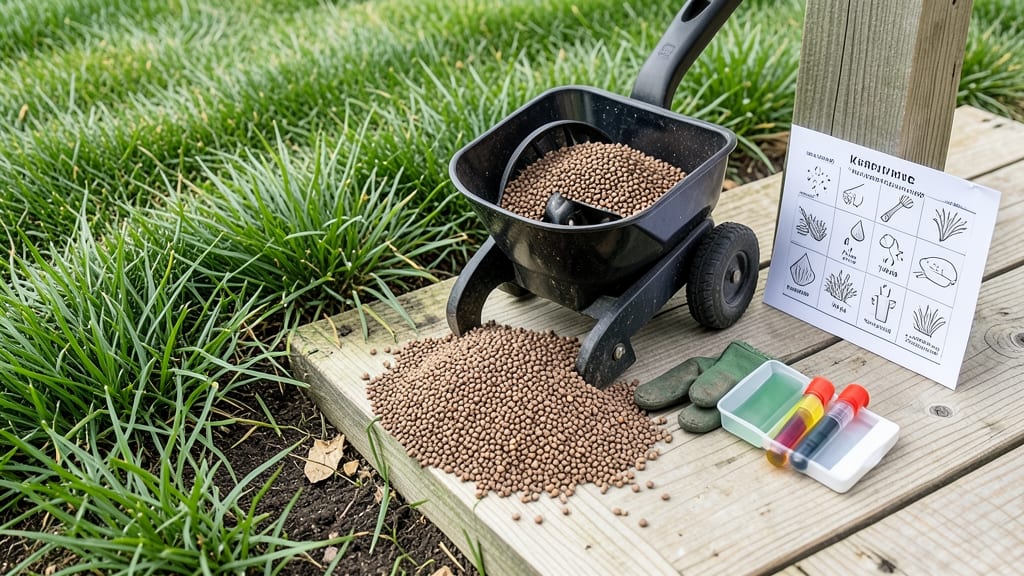
Fertilizing your lawn in Kentucky at the right time is the difference between a lush, green carpet and a patchy, struggling yard 🌱 — and the key is matching soil temperature to grass growth cycles.
Picture this: You’ve just spent $50 on fertilizer, spread it carefully, and two weeks later, your Kentucky bluegrass looks like it’s fighting for its life. That’s because timing matters more than product. Too early, and the nutrients sit unused; too late, and your grass misses its growth window.
Kentucky’s 6a-7a climate means cool-season grasses like tall fescue and Kentucky bluegrass need feeding when soil hits 50–55°F—not by the calendar. That’s usually early spring (March–April) and late summer (August–September), but a soil thermometer is your best friend here.
In this guide, I’ll break down the exact schedule for your grass type, how to prep your lawn for fertilization, and the three mistakes Kentucky gardeners make that waste money (or worse, harm their grass). Let’s get started.
Kentucky lawn fertilization schedule by soil temperature (not calendar months)
Most gardeners guess when to fertilize their lawns based on calendar months—but Kentucky’s soil temperature is the real game-changer. Cool-season grasses like tall fescue and Kentucky bluegrass thrive when soil hits 50-55°F, while warm-season grasses like Bermuda and zoysia need warmer conditions.
Ignoring soil temp can mean wasted fertilizer or stressed grass. Let’s break down the perfect timing for your lawn’s needs.
Kentucky’s humid climate and variable microclimates (northern vs. southern regions) make calendar-based schedules unreliable. Instead, focus on soil temperature triggers—this ensures your grass gets nutrients when it’s actively growing, not when it’s dormant or heat-stressed.
For cool-season grasses, aim for early spring (March-April) and fall (September-October) applications. Warm-season grasses, meanwhile, need late spring (May-June) and early summer feedings.
Here’s the critical rule: Wait until soil temps consistently stay above 50°F for cool-season grasses before fertilizing in spring. For warm-season grasses, wait until soil temps hit 65°F or higher. Use a soil thermometer ($10 at garden centers) to check—this small tool saves you from costly mistakes.
Pro tip: Morning is the best time to measure soil temp, as it’s cooler than midday.
Kentucky’s clay-heavy soils can delay warming in spring, so don’t rush to fertilize. If your lawn is tall fescue or bluegrass, wait until late March or early April when soil temps stabilize.
For Bermuda grass, hold off until mid-May when soil reaches 65°F. Over-fertilizing too early can burn roots or leach into groundwater during spring rains.
Fall fertilization is equally critical. For cool-season grasses, apply late summer to early fall (August-September) when soil temps drop toward 55°Fstore nutrients for winter.
Warm-season grasses like zoysia should get their last feeding by mid-September to prepare for dormancy. Skip fertilizing after October 1st, as new growth won’t harden off before frost.
| Grass Type | Soil Temp Trigger | Best Fertilization Window | Key Notes |
|---|---|---|---|
| Tall Fescue | 50-55°F | Early Spring (March-April) & Fall (Sept-Oct) | Cool-season; needs 4 feedings/year |
| Kentucky Bluegrass | 50-55°F | Early Spring (March-April) & Fall (Sept-Oct) | Aggressive spreader; light fall feeding |
| Bermuda Grass | 65°F+ | Late Spring (May-June) & Early Summer | Warm-season; drought-tolerant |
| Zoysia Grass | 60°F+ | Late Spring (May) & Early Fall (Sept) | Slow-growing; 2-3 feedings/year |
| All Grasses | Avoid Below 40°F | None (Dormant Season) | Fertilizer burns roots in cold soil |
Northern Kentucky’s cooler microclimates (like near Cincinnati) may need 2-3 weeks later fertilization than southern regions (e.g., Bowling Green). Check soil temps in your yard—if it’s 5°F cooler than the average, delay applications.
For example, if your neighbor fertilizes in mid-March, you might wait until late March to avoid stressing your grass.
After fertilizing, water deeply (1 inch) to activate nutrients. Use a rain gauge or tuna can to measure—most hoses deliver too little. Early morning watering prevents fungal growth from overnight moisture.
Avoid fertilizing if rain is forecasted within 48 hours, as runoff wastes product and pollutes waterways. Kentucky’s summer thunderstorms can wash away fertilizer, so plan applications on calm days.
For overseeding in fall, fertilize with a high-phosphorus blend (e.g., 5-10-10) 4-6 weeks before seeding. This helps roots establish before winter. If your lawn has bare patches, spot-treat with a
Best fertilizer types for Kentucky grass: n-P-k ratios & organic vs. synthetic
Kentucky’s clay-heavy soils and humid climate mean not all fertilizers work equally well. Choosing the right N-P-K ratio and type—organic or synthetic—can mean the difference between a lush lawn and one struggling to thrive.
Let’s break down the best options for Kentucky’s most common grasses like tall fescue and Kentucky bluegrass, plus how to adjust for your specific soil.
For cool-season grasses (like bluegrass and fescue), a high-nitrogen fertilizer with a 30-0-4 or 24-0-8 ratio is ideal in spring and fall. Warm-season grasses (such as Bermuda or zoysia) prefer a lower nitrogen ratio, like 16-4-8, during summer months.
The key is matching the fertilizer to your grass type and the current growing season.
🌱 Organic Fertilizers
⚗️ Synthetic Fertilizers
If you’re establishing new grass, use a starter fertilizer with a high phosphorus (P) content, like a 10-20-10 ratio. This helps roots grow deeply, which is critical for Kentucky’s clay soils.
For existing lawns, a slow-release synthetic or organic fertilizer like composted manure or fish emulsion works well for steady growth without risking burn.
For weed control, consider a weed-and-feed product in early spring, but avoid it in fall—it can harm cool-season grasses preparing for winter. Always water after application to activate the fertilizer and reduce burn risks, especially in Kentucky’s heat.
A light rain within 24 hours can also help, but don’t rely on it—always follow up with your sprinkler.
Adjust your approach for clay-heavy soils by adding organic matter like compost or peat moss before fertilizing. This improves drainage and helps roots access nutrients. For sandy soils, opt for a slow-release fertilizer to prevent nutrients from washing away too quickly.
Test your soil every 2-3 years to fine-tune your fertilizer strategy.
Remember, less is often more with Kentucky lawns. Over-fertilizing leads to burnt grass, water pollution, and wasted money. Stick to the recommended rates and split applications into 2-3 feedings per season for best results. Your lawn will thank you with vibrant green growth all year round! 🌿