
Lawn
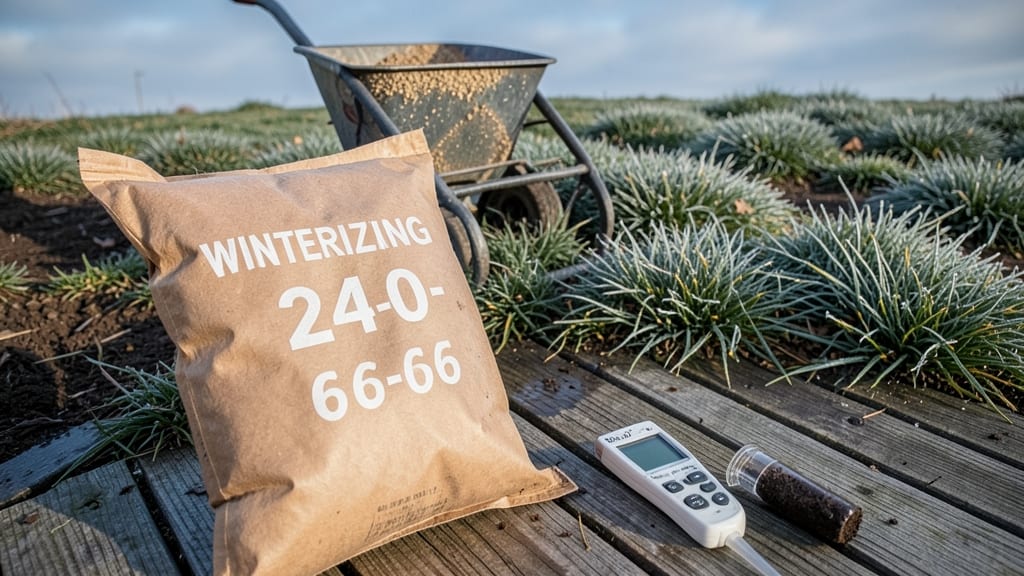
Fertilizing your lawn for winter should happen about 4-6 weeks before the first frost — a timing window that turns patchy grass into a spring-ready powerhouse.
Picture this: You’ve spent all summer keeping up with mowing, watering, and weeding, only to watch your lawn turn brown and brittle as soon as the cold hits. That’s the difference between a well-timed late fall feeding and one that’s too early or too late.
In Zone 6a, that means aiming for late September or early October, when your lawn grass 🌱 is still active but slowing down for dormancy.
Too soon, and nutrients won’t have time to strengthen roots before the freeze. Too late, and you’re just wasting fertilizer on grass that’s already asleep.
Below, I’ll break down the exact timing for your region, the best fertilizer types to use, and how to avoid common mistakes that leave your lawn looking sad come spring.

Optimal late fall fertilization timeline for winter lawn strength
A well-timed late fall fertilization can transform your lawn from a patchy winter struggle into a lush, resilient spring comeback—but timing is everything. Miss the window, and you risk weak roots or wasted nutrients.
The 4-6 week window before frost is your golden opportunity to strengthen grass roots before dormancy sets in.
This critical period varies by USDA hardiness zone. In northern zones (5-7), aim for mid-September to early October, while southern zones (8-10) can extend fertilization until November. Understanding your local frost dates is key to maximizing root growth without encouraging late-season growth that won't harden off before winter.
Your choice of fertilizer type matters just as much as timing. Slow-release nitrogen (like polymer-coated granules) provides steady nutrients over 8-12 weeks, while organic options (such as composted manure or bone meal) improve soil structure long-term.
Both options help grass develop deeper roots before dormancy, but organic fertilizers may require earlier application for full effectiveness.
| Region | Ideal Window | Fertilizer Type | Key Consideration |
|---|---|---|---|
| Northern (Zones 3-5) | Late August - Mid-September | Slow-release nitrogen (24-0-6) | Early frost risk - prioritize root growth |
| Midwest (Zones 6-7) | Mid-September - Early October | Organic or slow-release blend | Balanced approach for moderate climates |
| Southern (Zones 8-10) | October - November | Slow-release with iron supplement | Later dormancy allows extended window |
| Early Winter Exception | Skip if frost occurs early | N/A | Grass won't absorb nutrients before dormancy |
For early winter climates where frost arrives before October, skip fertilization entirely. Grass won't absorb nutrients before entering dormancy, and late-season growth won't harden off properly. Instead, focus on core aeration and light overseeding to prepare for spring.
Adjust your timing if you experience an early or late winter. Check your local National Weather Service frost predictions and adjust the 4-6 week window accordingly.
For example, if your area typically gets frost by October 1st but this year's forecast shows November 1st, you have flexibility to fertilize later.
Always choose a high-nitrogen, low-phosphorus fertilizer (like 24-0-6 or 30-0-4) for late fall applications. The nitrogen promotes root growth while phosphorus (which encourages top growth) is less critical during dormancy preparation. Look for products labeled specifically for fall/winter lawn care to ensure proper nutrient ratios.
After applying fertilizer, water your lawn deeply and thoroughly to activate the nutrients and move them into the soil. Aim for 1 inch of water within 24-48 hours of application. This helps prevent fertilizer burn while ensuring roots have access to nutrients before dormancy sets in.
Monitor your lawn's response in the weeks following fertilization. Healthy grass should show darker green color and firm, resilient blades before winter. If you notice yellowing or thinning despite proper fertilization, your soil may need testing to identify nutrient deficiencies or pH imbalances before spring.
Remember that late fall fertilization isn't about immediate growth—it's about preparing your lawn for winter dormancy. By strengthening roots now, you'll see faster spring green-up and better drought resistance when summer returns. Think of it as giving your lawn a nutritional head start for next year's growing season.
Signs your lawn needs winter fertilization (and when to skip it)
Your lawn sends clear visual signals when it craves winter nutrients. Look for pale yellow patches or grass blades that feel soft and weak when you walk on them. These signs often mean your lawn is nutrient-depleted after summer heat and needs a late-season boost before dormancy.
In northern climates (USDA Zones 3-6), where winters are harsh, a 6-8 week window before first frost is ideal for fertilization. But in southern regions (Zones 7-10), where grass stays semi-active year-round, winter fertilization may not be necessary—and could even encourage weak growth before spring.
When to Fertilize Lawn for Winter
✅ DO Fertilize If:
- Grass looks pale or thin
- Soil test shows low nitrogen
- You're in Zones 3-6 with cold winters
- Frost is 6+ weeks away
- Lawn recovers slowly from summer stress
❌ DON'T Fertilize If:
- Frost arrives in <4 weeks
- Grass is already dormant
- Soil is waterlogged or frozen
- You're in Zones 7-10 with mild winters
- Lawn shows fungal signs (mushrooms, discoloration)
💡 Pro Tip: Use a slow-release fertilizer (24-0-6 NPK) for best winter root growth.
Watch for red flags like mushroom growth or dark brown patches, which signal fungal issues—not nutrient needs. These problems require fungicide treatment, not fertilization. Always test your soil first to avoid over-fertilizing, which can burn roots before dormancy.
In transition zones (Zones 6-7), timing becomes tricky. If your area experiences early frosts but mild winters, aim for mid-October fertilization. For cooler microclimates, push it to early November. Always check your local frost date to avoid fertilizing too late.
Even if your lawn looks healthy, thatch buildup (a ¼-inch layer of dead grass) can block nutrients. Use a thatch rake before fertilizing to ensure even absorption. This simple step can double your fertilizer's effectiveness and prevent winter nutrient runoff.
Remember: Winter fertilization isn't about spring growth—it's about root strength. A well-fed lawn enters dormancy resilient and ready to bounce back when temperatures rise. Skip it, and you risk weak spring recovery or patchy regrowth.