
Lawn
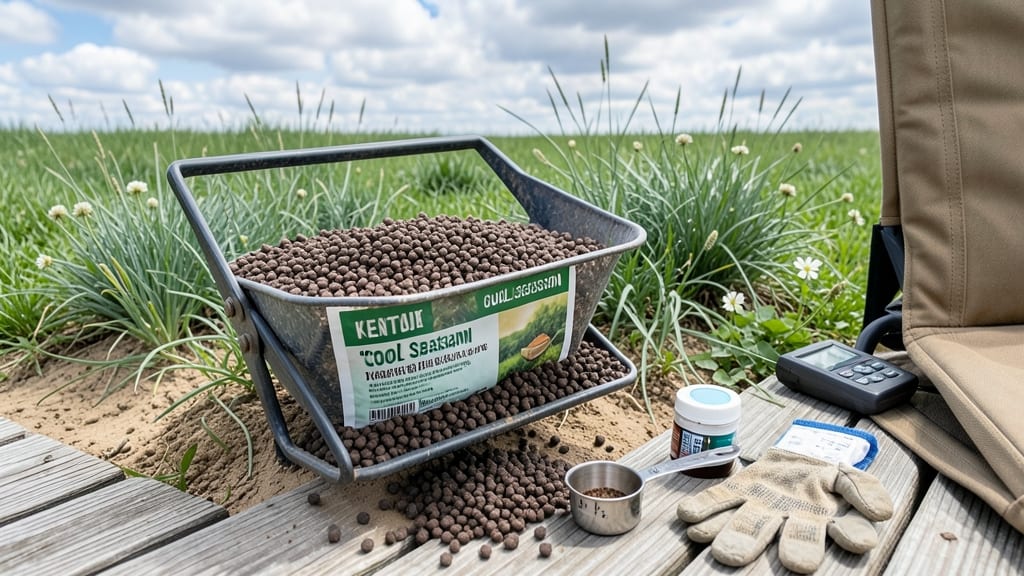
Fertilizing your Colorado lawn at the right time is the secret to a lush, green yard that survives our 5-8 USDA zones—and skipping the wrong season can leave you with patchy, weak grass by summer.
Picture this: You’ve just seeded your 🌱 lawn grass in late April, only to see it turn yellow by June because you fertilized too early. Or worse, you missed the fall window and spent winter watching your neighbors’ lawns stay vibrant while yours browned.
Timing isn’t just about feeding your grass—it’s about working with Colorado’s climate, not against it.
The key? Two main feedings a year—early spring and fall—plus light touch-ups in summer if your grass is struggling. But here’s the catch: Denver’s 5b-6a zone demands a different approach than the Western Slope, and altitude changes everything.
I’ll break down the exact schedule, soil prep tips, and even when to skip fertilizer entirely to avoid burning your lawn in our brutal sun.
By the end, you’ll know not just when to fertilize, but how much, what type, and how to adjust for drought or high-elevation stress. No more guessing—just a lawn that stays thick, green, and resilient all year.
Best fertilization schedule for Colorado cool-season lawns (spring & fall)
Colorado’s cool-season grasses—like fescue, Kentucky bluegrass, and ryegrass—thrive with precise fertilization timing. The Front Range (Denver, Boulder) and Western Slope (Grand Junction, Durango) have different microclimates, so adjustments are key.
Spring and fall are critical windows, while summer heat and winter dormancy demand caution. A well-timed schedule boosts root depth, color, and drought resistance—especially important for Colorado’s 5-8 USDA zones.
Your lawn’s soil temperature is the best indicator for fertilization. Aim for 55°F+ in spring and 60-70°F in fall—too cold, and nutrients won’t activate; too hot, and you risk burning grass.
Pre-emergent herbicides also fit into this schedule, but their timing must align with crabgrass germination, which typically peaks in late April to May on the Front Range and 2-4 weeks later in higher elevations.
For the Front Range, start your spring fertilization in early April once soil temperatures consistently hit 55°F. This timing aligns with Kentucky bluegrass waking from dormancy and fescue resuming growth. Use a high-nitrogen fertilizer (e.g., 24-0-5) to
Signs your Colorado lawn needs fertilizer (and when to skip it)
Your Colorado lawn sends clear signals when it’s hungry for nutrients. Uniform yellowing across patches—especially in Kentucky bluegrass or fine fescue—is the most obvious cry for help. Unlike drought stress, which affects entire sections evenly, nutrient deficiency creates irregular brown spots that spread slowly.
Pay attention to slow recovery after mowing too; healthy grass bounces back in 3-5 days, while starved grass stays dull for weeks.
Don’t confuse nutrient deficiency with drought stress, though. In Colorado’s dry climate, grass blades often curl or turn blue-gray when thirsty. To test: Walk on your lawn—if blades spring back quickly, it’s water stress.
If they stay flattened, it’s likely compaction or poor soil health. Always water deeply (1 inch) before assuming fertilizer is the fix. Overwatering can mask nutrient issues while creating fungal risks.
Key-takeaway visual element:
🌱 When to Fertilize Your Colorado Lawn
- ✅ Pale green/yellow patches (not drought stress)
- ✅ Slow recovery after mowing (3+ days)
- ✅ Thin, weak growth despite proper watering
- ❌ Drought stress (blue-gray blades)
- ❌ Fungal growth (white/pink patches)
- ❌ Winter dormancy (Nov–March)
Watch for fungal growth after fertilizing—another Colorado-specific red flag. If you see white or pink powdery patches (like powdery mildew) or dark, circular rings (possible dollar spot), skip fertilizer entirely.
Fungi thrive on excess nitrogen, so reduce watering and apply a fungicide instead. Over-fertilizing in summer heat accelerates this problem, turning your lawn into a fungal buffet.
Your lawn’s growth rate is another clue. If grass grows less than 1 inch per week in spring or stops growing entirely by July, it’s likely nutrient-starved. Cool-season grasses like tall fescue go dormant in summer, but they should still show some green if soil nutrients are balanced.
Test your soil pH too—Colorado’s alkaline soils (pH 7.5+) often need sulfur or peat moss to unlock nutrients.
Timing matters just as much as symptoms. If you fertilize too early in spring (before soil warms to 55°F), nutrients won’t activate. Wait until after last frost (typically mid-April in Denver) and when grass starts green-up.
In fall, fertilize by mid-September to give roots time to strengthen before winter. Late fall feedings (October+) lead to winter burn and wasted money.
Pro tip: Divide your lawn into sections and fertilize one area at a time. This helps you spot over-fertilization signs (like dark green streaks or leaf burn) early. If you see these, flush the soil with 1 inch of water immediately to dilute excess salts.
Colorado’s low humidity makes over-fertilization risks even higher—always follow the "less is more" rule for summer applications.