
Lawn
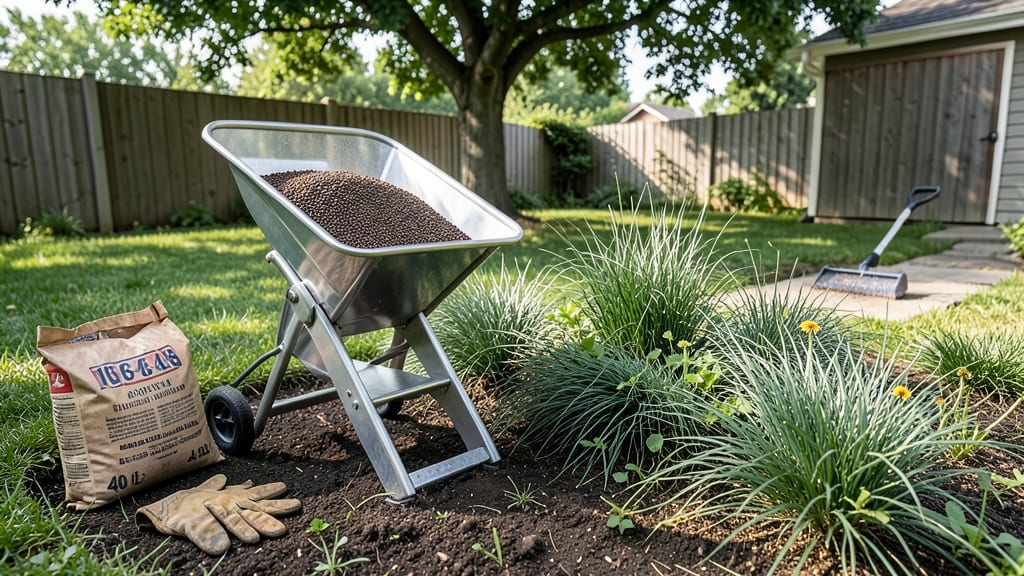
Should you fertilize your lawn in early spring or wait until summer? The answer depends on your climate, grass type, and even the last frost date.
Struggling to keep your lawn lush and green? Timing your fertilization perfectly can make the difference between a vibrant yard and one that struggles to thrive—especially when climate plays a role.
In Zone 6a, for example, early spring and early fall are the best windows for feeding your 🌱 lawn grass, but summer applications need to be lighter to avoid burning.
Most homeowners don’t realize that over-fertilizing in the wrong season can harm roots or waste money. I’ll show you the exact seasonal schedule for cool- and warm-season grasses, plus how to spot when your lawn is actually hungry for nutrients.
By the end, you’ll know not just when to fertilize, but how to adjust for drought, pests, and even organic vs. synthetic choices—so your lawn stays thick, green, and healthy all year.
Climate-specific fertilization timing for lawns: spring, summer, fall, and winter guidelines
Timing your lawn fertilization is just as important as choosing the right fertilizer. Your climate zone and grass type determine the best seasons to feed your lawn.
In cool-season climates (like USDA Zones 3-6), early spring and fall are ideal, while warm-season grasses (Zones 7-10) thrive with late spring and summer feedings. Ignoring these seasonal cues can lead to weak growth or even lawn damage.
For example, fertilizing in late summer can stress cool-season grasses, while applying too late in fall may not give warm-season grasses enough time to absorb nutrients before dormancy. Let’s break down the best practices for each season and how your local climate impacts the schedule.
Here’s a quick comparison of fertilization timing based on your climate and grass type:
In cool-season climates, the early spring feeding jumpstarts growth after winter dormancy. Use a high-nitrogen fertilizer (like 24-0-10) when soil temperatures hit 55°F. This timing aligns with when grass begins actively growing.
For warm-season grasses, wait until soil temps reach 65°F—typically late spring—to avoid shocking the grass.
Avoid fertilizing in late summer for cool-season grasses, as the heat can stress them. Instead, opt for a light feeding in early fall to strengthen roots before winter. Warm-season grasses, however, can handle a peak feeding in late summer with a high-potassium fertilizer to boost drought resistance.
Your local climate also dictates adjustments. In drought-prone areas, always water deeply before and after fertilizing to prevent burn. In humid climates, apply fertilizer in the early morning to reduce fungal risks.
Pay attention to soil temperature—it’s the best indicator of when your grass is ready for nutrients.
For organic fertilization, use compost or slow-release options like fish emulsion in early spring and fall. Synthetic fertilizers are faster-acting but require more precise timing. Always follow the 3-1-1 rule: 3 feedings per year (spring, summer, fall), 1 light feeding in off-seasons, and 1 winter rest.
Pro tip: Test your soil pH annually. Cool-season grasses prefer 6.0–7.0, while warm-season grasses thrive at 6.0–6.5. Adjust your fertilizer’s lime or sulfur content accordingly to optimize nutrient uptake.
By aligning your fertilization schedule with your grass type and climate, you’ll avoid common mistakes like over-fertilizing or applying nutrients at the wrong time. A well-timed feeding plan keeps your lawn lush, resilient, and disease-resistant all year round. 🌱
Signs your lawn needs fertilizer: how to diagnose nutrient deficiencies before applying
If your lawn is looking patchy, yellow, or slow-growing, it might be screaming for nutrients.
Before grabbing that fertilizer bag, learn to read your lawn’s visual cues—they’re your first clue about what’s missing. Nitrogen, phosphorus, and potassium deficiencies each show up differently, and ignoring them can turn your yard into a brown wasteland instead of a lush green carpet. 🌱
Start by checking for yellow patches that don’t green up after mowing. This is often a nitrogen deficiency, the most common issue for lawns. Thin or sparse grass in certain areas?
That could signal phosphorus or potassium shortages, which weaken roots and stunt growth. Even dark green streaks or mushroom growth can hint at over- or under-fertilization. 🌿
🌱 Key Takeaway: When Should I Fertilize My Lawn?
Fertilize in early spring (March-April) to kickstart growth after winter dormancy. Light feedings in summer (June-August) maintain color, while early fall (August-September) strengthens roots. Avoid fertilizing in winter—grass won’t absorb nutrients when dormant. Test soil first to confirm deficiencies before applying.
🌡️ Pro Tip: Soil temps below 55°F mean nutrients won’t activate—wait until spring or early fall.
Don’t guess—test your soil! A simple DIY soil test kit (costing under $20) checks pH levels and nutrient balance.
Ideal lawn pH is 6.0-7.0; if yours is off, amend with lime (to raise pH) or sulfur (to lower pH) before fertilizing. Regional differences matter too: Southern lawns may need more frequent light feedings, while Northern climates benefit from one heavy spring application. ☀️
Watch for weed dominance—thick clover or dandelions often mean your grass is nutrient-starved and can’t compete. Slow recovery after mowing or thin blades are red flags too.
If you spot purple or red tinges in grass, it’s a phosphorus deficiency, critical for root development. Address these early, or weeds will take over. ✂️
Timing matters just as much as what you apply. Early morning fertilization (before 10 AM) prevents burn risk from heat, while watering deeply after application helps nutrients reach roots. Avoid fertilizing before heavy rain—it washes nutrients away.
For organic options, compost or manure tea adds nutrients slowly, while synthetic fertilizers deliver quick fixes. 💧
Remember: Over-fertilizing is just as harmful as under-fertilizing. It burns grass, pollutes waterways, and encourages thatch buildup. If your lawn shows multiple deficiency signs, prioritize soil health first—add organic matter like compost or topsoil before reapplying fertilizer. A healthy lawn starts below the surface. 🌳