
Fertilization
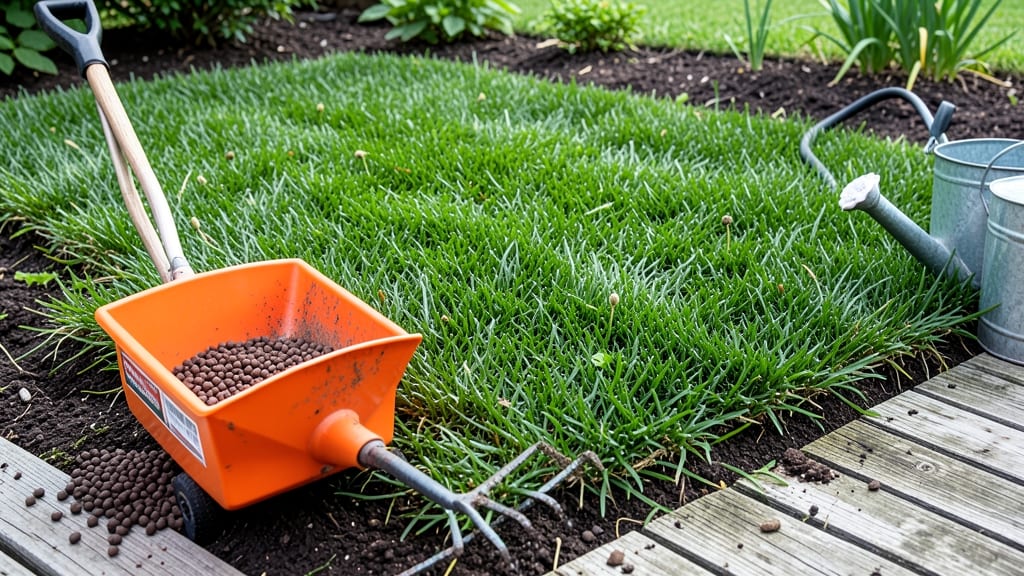
Fertilizing your Houston, Texas lawn in spring should happen before the first heavy rains—typically between late February and early April—to give roots time to absorb nutrients before summer dormancy.
Houston’s unpredictable spring weather—with its sudden downpours and scorching heat—can leave your lawn struggling to thrive. If you’ve ever watched your 🌱 Lawn Grass (St. Augustine, Bermuda, or Zoysia) turn patchy after a fertilizer application, you know timing is everything.
In Zone 9a, the key is feeding when soil temps hit 60°F and before the first 1-inch rain—usually late February or March. This pre-rain strategy ensures nutrients soak deep, promoting lush growth before Houston’s summer heat slows things down.
Below, I’ll break down the exact window, the best fertilizer types for Houston’s clay-heavy soil, and how to avoid common mistakes that waste money and harm your lawn.
Houston spring fertilization timeline: pre-rain strategy for maximum root growth
Houston’s spring season—where temperatures swing from cool mornings to 90-degree afternoons—creates a golden window for lawn fertilization. The key is applying nutrients before heavy rains hit, typically in March or early April, to prevent runoff while encouraging deep root growth before summer dormancy.
This timing aligns with Houston’s Zone 9a climate, where soil warms enough for grass to actively absorb nutrients.
Most Houston homeowners make the mistake of fertilizing too early (January) or too late (May), both of which can harm lawn health. Early applications risk nutrient leaching from winter rains, while late applications stress grass as summer heat arrives.
The ideal window is when soil temperatures hit 60°F+ and before consistent 2-inch rainfall events, usually late February through early April.
| Timeframe | Action | Soil Temp | Rainfall Goal |
|---|---|---|---|
| Late February | First light feeding (0.5 lb N/100 sq ft) | 55–60°F | <1 inch/week |
| Early March | Full feeding (1 lb N/100 sq ft) | 60–65°F | <2 inches/week |
| Mid-April | Second light feeding (optional) | 70–75°F | <1.5 inches/week |
| May | Skip fertilization | 80°F+ | Deep watering only |
For St. Augustine grass (Houston’s most popular choice), aim for a 16-4-8 NPK ratio fertilizer in March, followed by a light nitrogen boost in April if growth slows. Bermuda and Zoysia grasses benefit from slow-release fertilizers to prevent rapid top growth that summer heat can’t sustain.
Always test your soil’s pH (6.0–7.0 ideal) before applying—Houston’s clay soil often needs lime adjustments for optimal nutrient uptake.
Pro tip: Use a rain sensor or check the National Weather Service for Houston forecasts before fertilizing. If heavy rain is predicted within 48 hours, delay application by 1–2 weeks to avoid nutrient runoff into storm drains.
This not only protects local waterways but also ensures your lawn gets the full benefit of the fertilizer.
After fertilizing, water deeply (1–1.5 inches) to activate nutrients and encourage root penetration. Early morning watering (4–8 AM) minimizes evaporation and fungal risks.
For the next 4–6 weeks, maintain consistent moisture—Houston’s spring showers can make this tricky, so adjust with a rain gauge or tuna-can test (1 inch = 0.623 gallons per sq ft).
Watch for new blade growth within 7–10 days—a sign your lawn is absorbing nutrients. If you see yellowing patches or slow growth, it may indicate over-fertilization or poor soil contact.
In this case, dilute with water (1:3 ratio) and reapply, or switch to a low-nitrogen organic option like composted manure or bone meal for a gentler boost.
By mid-May, shift focus to mowing height adjustments (3–4 inches for most Houston grasses) and pre-emergent herbicides if weeds are a problem. The goal is to strengthen roots before summer’s intense heat and humidity, when grass growth naturally slows.
Think of spring fertilization as a pre-season training camp for your lawn’s summer endurance.
For Houston’s clay-heavy soil, consider gypsum applications (10–20 lbs per 100 sq ft) in early spring to improve drainage and aeration. This helps roots access deeper moisture and nutrients, especially critical during June–September droughts.
Pair gypsum with core aeration (late spring) to create channels for water and fertilizer penetration.
Remember: Houston’s hurricane season (June–November) means fertilization should stop by June 1. Fertilizer promotes lush growth, which can weaken grass stems and increase storm damage.
Instead, focus on strengthening roots with deep watering and occasional light feedings (like fish emulsion) to keep your lawn resilient without encouraging rapid top growth.
Best fertilizer types for Houston lawns: slow-release vs. quick-acting options
Houston’s clay-heavy soil and humid climate demand the right fertilizer choices to keep your lawn thriving. The battle between slow-release and quick-acting fertilizers isn’t just about speed—it’s about how your St. Augustine, Bermuda, or Zoysia grass responds to nutrients over time.
Slow-release options feed roots steadily, while quick-acting fertilizers deliver an immediate green-up. But which works best for Houston’s unpredictable spring rains?
For Houston lawns, the nitrogen ratio matters most. Warm-season grasses like Bermuda thrive with a 16-4-8 NPK ratio, while St. Augustine benefits from 10-10-10 blends to balance growth and root strength. Organic options like composted manure or bone meal add micronutrients, while synthetic granular fertilizers provide precise nutrient control.
The key is matching the fertilizer to your grass type and Houston’s pre-rain application strategy.
🔍 Pros-Cons Box: Slow-Release vs. Quick-Acting Fertilizers for Houston Lawns
- Steady nutrient release
- Reduces runoff risk
- Long-term root growth
- Slower green-up results
- Higher upfront cost
- Less immediate impact
- Fast green-up effect
- Budget-friendly
- Immediate nutrient boost
- High runoff risk in rain
- Requires frequent reapplication
- Can burn grass if overused
Houston’s clay soil benefits most from slow-release fertilizers because they reduce nutrient runoff during spring rains. Organic options like composted chicken manure or fish emulsion improve soil structure while feeding grass over time. For quick fixes, a synthetic granular fertilizer with iron can revive dull patches before a big event, but use it sparingly to avoid burning your lawn.
Timing matters just as much as the fertilizer type. Apply slow-release fertilizers in late February and September to align with Houston’s rainfall patterns. Quick-acting options should only be used in dry spells when you need an instant boost.
Always water deeply after applying to help nutrients penetrate the clay-heavy soil and prevent runoff.
Don’t forget about micronutrients like iron and zinc, which are crucial for Houston’s acidic soil. A balanced fertilizer with trace minerals ensures your lawn stays vibrant year-round. For St. Augustine, a low-nitrogen blend prevents thatch buildup, while Bermuda grass loves a higher nitrogen ratio for rapid recovery after mowing.
For the best results, test your soil in early spring to check pH and nutrient levels. Houston’s 6.5–7.5 pH range is ideal for most grasses, but amendments like lime or sulfur may be needed.
Pair your fertilizer with regular aeration to help roots access nutrients in compacted clay soil—this combo is a game-changer for Houston lawns.