
Fertilization
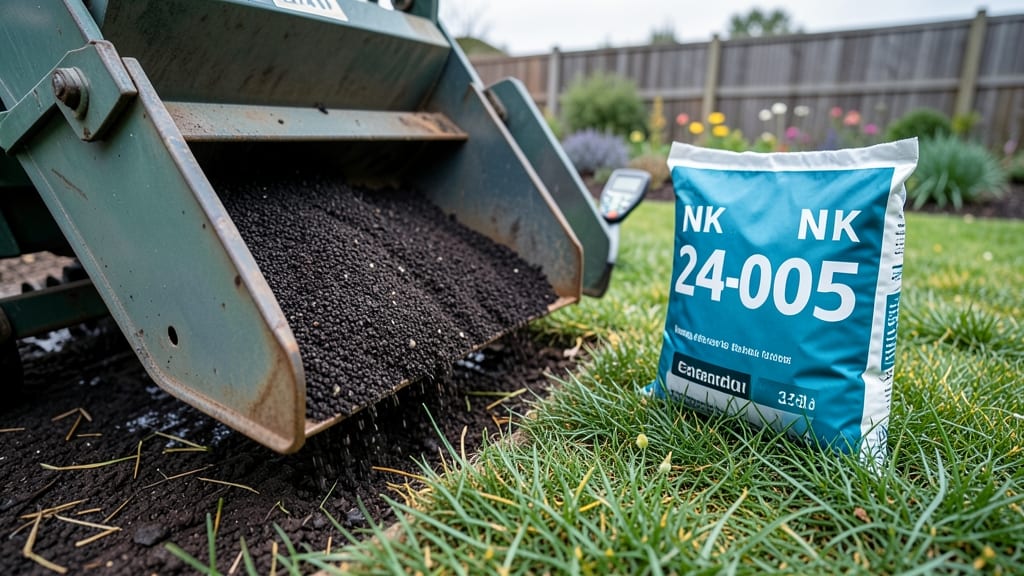
A good time to fertilize your lawn is during early spring (when soil reaches 55-60°F) and late summer (late August to early September), as this aligns with peak grass growth and root development for maximum nutrient uptake. Avoid fertilizing during extreme heat or drought periods.
A well-timed fertilization boosts your lawn's health by matching its natural growth cycles.
The 55-60°F soil temperature in spring signals cool-season grasses like fescue to wake from dormancy, while late summer's 75-85°F range triggers warm-season grasses like Bermuda to thrive. 🌱 This timing ensures nutrients are absorbed efficiently rather than wasted.
I've found that skipping winter fertilization prevents nutrient runoff, while avoiding peak summer heat reduces stress on grass blades.
Your climate zone plays a crucial role—Northern regions should prioritize spring feeding, while Southern lawns benefit from late summer applications. High-traffic areas may need an extra light application in early fall to support recovery. Always test your soil first to determine specific nutrient needs before applying fertilizer.
💡 In This Article
- Ideal Soil Temperature and Grass Growth Stages for Fertilizing
- Seasonal Fertilizer Schedule by Grass Type and Climate Zone
Ideal soil temperature and grass growth stages for fertilizing
The science behind 55-60°F soil temperatures in spring comes from how cool-season grasses like Kentucky bluegrass and fescue respond to warmth. When soil reaches this range, microbial activity in the root zone revs up, breaking down organic matter into forms grass can absorb.
This triggers the grass to transition from dormancy to active growth, with roots extending 3-4 inches deeper per week to access nutrients. Warm-season grasses like Bermuda grass, however, need 75-85°F soil to activate their growth hormones—this is why late summer fertilization works best for them. 🌱
Grass growth stages are the real secret to timing. In dormancy (winter), grass roots are inactive, so fertilizer just sits in the soil. When spring arrives, cool-season grasses enter their rapid growth phase, where they can absorb up to 30% more nitrogen than in summer.
Warm-season grasses, meanwhile, start their growth cycle in late spring but peak in late summer when temperatures stabilize. This is why applying fertilizer during these windows ensures nutrients are used efficiently rather than wasted or burned by extreme heat.
Ever notice how lawns fertilized in peak summer often look stressed? That's because temperatures above 90°F cause grass blades to close their stomata (pores) to conserve moisture, blocking nutrient uptake. Similarly, winter applications risk nutrient runoff from rain or melting snow.
The key is matching fertilizer to the grass's natural metabolic pace—cool-season grasses in spring, warm-season in late summer—when roots are actively growing and can utilize the nutrients. 💫
Here's what happens when you fertilize at the wrong time: In drought conditions, fertilizer salts can concentrate in the soil, creating a hypertonic solution that draws moisture out of grass roots.
This is why many lawns turn brown after summer fertilization—it's not the fertilizer itself, but the stress it causes when grass can't access water. The same principle applies in winter: frozen soil prevents nutrient movement, while rain can wash fertilizer into waterways, causing environmental harm.
For practical application, use a soil thermometer to check depth (2-4 inches down). Cool-season grasses should get their first feeding when soil hits 55°F, while warm-season grasses respond best to late summer applications when daytime highs are 85°F but nights stay mild.
This timing ensures your lawn gets the maximum benefit without stress. The result? Healthier roots, deeper green color, and grass that can better withstand heat and drought. 🌿
Pro tip: If you're overseeding in fall, apply a light fertilizer with low nitrogen (5-10-10 ratio) to support new seedlings without overwhelming them. This is one of those "hidden" growth stages where precise timing makes all the difference. 🔥