
Lawn
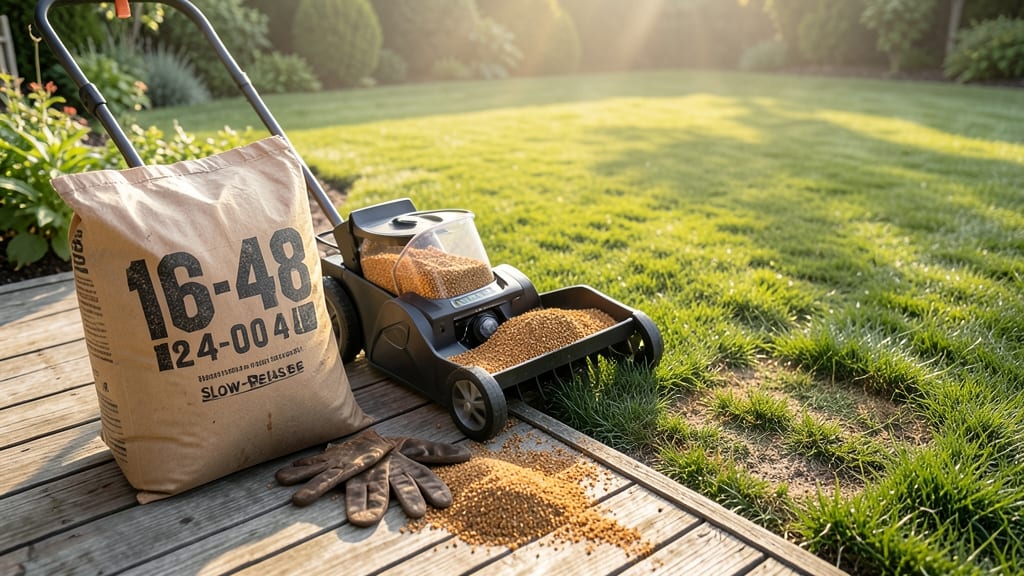
To fertilize your lawn, timing depends on grass type: cool-season grasses need feeding in early spring (March–April) when soil hits 55–65°F, then again in late summer (August–September). Warm-season grasses prefer early spring and late fall fertilization instead.
Your lawn's fertilization schedule isn't just about months—soil temperature and grass type create the perfect window for nutrient absorption. 🌱 For cool-season grasses like fescue or bluegrass, early spring feeding jumpstarts growth after winter dormancy, while late summer applications prepare them for fall's cooler months.
Warm-season varieties like Bermuda or Zoysia, however, need that late fall boost to store energy for next year's growth spurt. I always check soil temps with a simple probe to avoid fertilizing when roots are sluggish—warm-season grasses especially struggle when soil's too cold.
Pro tip: Split your feeding into three applications—early spring, late summer, and either late fall or early spring for warm-season types—to match your grass's natural growth cycles. This approach prevents over-fertilizing while maximizing root development.
Many homeowners miss that late summer window for cool-season grasses, which can lead to weak fall color and reduced winter hardiness.
💡 In This Article
- Grass Type and Climate Factors for Fertilizing
- Step-by-Step Fertilization Schedule by Season
Grass type and climate factors for fertilizing
Cool-season grasses like Kentucky bluegrass and tall fescue have a natural growth cycle that peaks in spring and fall, making early spring (March–April) and late summer (August–September) the sweet spots for fertilization.
The key trigger here is soil temperature—roots become active when soil reaches 55–65°F, signaling the grass to break dormancy and absorb nutrients efficiently. This is why you'll see vibrant green growth within 7–14 days of proper fertilization during these windows.
Warm-season grasses like Bermuda or Zoysia, however, prefer warmer soil (65–75°F) and grow best in late spring through summer, so their feeding schedule shifts to early spring and late fall instead.
Climate plays a massive role too. In colder USDA zones (like 3–5), cool-season grasses dominate, and late summer fertilization helps them store carbohydrates for winter survival. Meanwhile, in warmer zones (7–10), warm-season grasses might need a third fertilization in early spring to counteract winter dormancy.
The USDA hardiness map isn't just for planting—it's a fertilizer timing guide. For example, in Zone 6, late summer fertilization might happen in early September, while in Zone 8, it could extend to October due to milder winters. 🌡️
What most people overlook is how soil temperature affects nutrient uptake. Fertilizer applied when soil is too cold (below 50°F) can leach away before roots activate, wasting money and harming the environment.
A simple soil thermometer (around $15) can save you from this mistake—just insert it 2–3 inches deep in the morning for the most accurate reading.
This small tool is your secret weapon for perfect timing, especially in transitional climates where spring can swing between 40°F and 70°F in a single week.
Another critical factor is your grass's dormancy cycle. Cool-season grasses go semi-dormant in summer heat, while warm-season types slow down in winter. Fertilizing at the wrong time—like feeding warm-season grass in January—can stress the plant instead of nourishing it.
This is why late fall fertilization for warm-season grasses is about preparing for next year's growth, not immediate results. The nutrients get stored in the roots, creating a head start when spring arrives. Think of it like giving your lawn a winter savings account for spring spending.
Regional variations also matter. In the Pacific Northwest, where summers are mild, cool-season grasses might need a fourth light feeding in late spring to maintain color. Meanwhile, in the Deep South, warm-season grasses may require monthly feeding during peak growing months (April–September) to keep up with rapid growth.
Always adjust your schedule based on your local growing season length—this is where a simple calendar check can prevent over- or under-fertilizing. The goal is to match your feeding schedule to your grass's natural rhythm, not a one-size-fits-all approach.
One final pro tip: If you're unsure about your grass type, do a simple tug test. Cool-season grasses pull up easily in spring, while warm-season types resist until summer. This quick check can save you from fertilizing at the wrong time.
And remember—when in doubt, soil test first! A basic test kit ($20) reveals your soil's pH and nutrient levels, helping you fine-tune your fertilizer blend for maximum impact. 💡