
Lawn
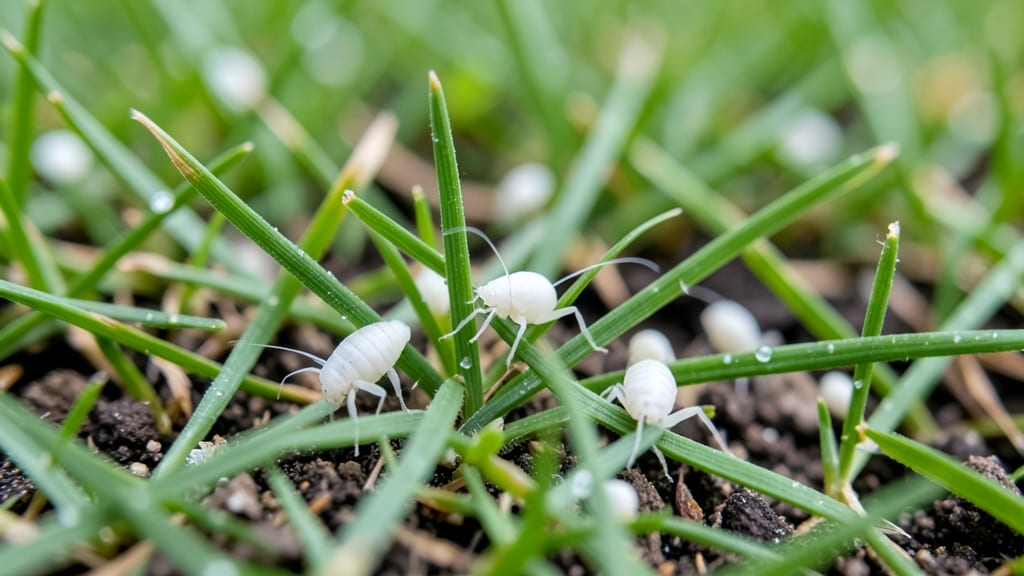
Those tiny white bugs swarming your lawn this spring?
They’re likely fungus gnats, springtails, or aphids—and they’re worse than just annoying. 🌱 I’ve battled them for years, and the key to eliminating them lies in understanding their habits and using targeted, eco-friendly solutions that won’t harm your grass or the environment.
Most people assume these pests need harsh chemicals, but the truth is simpler: they thrive in damp, organic-rich lawns. Fungus gnats love moisture, springtails multiply in thatch, and aphids cluster on tender new grass.
The fix starts with cultural controls—like improving drainage, reducing watering frequency, and aerating to break up compacted soil—before reaching for sprays.
With the right approach, you’ll see a noticeable drop in their numbers within 2-3 weeks. Think lush, pest-free grass by summer—no more frantic scratching or wilting patches. The best part? These methods work for lawns, gardens, and even houseplants, making them a versatile solution for any outdoor space.
Whether you’re dealing with a small patch or a full lawn infestation, the strategies here are safe for kids and pets and won’t disrupt your yard’s natural balance. Let’s get your lawn back to its best—and keep those tiny white invaders out for good.
Root Causes Of Lawn Invaders
If you’ve spotted tiny white bugs scurrying across your lawn, they’re likely there for one of three key reasons: food, shelter, or breeding grounds. Understanding these triggers helps you address the issue before it escalates. Let’s break down the science behind their unwelcome visits.
Many tiny white lawn pests—like fungus gnats, springtails, or even aphids—thrive in damp conditions. Here’s why:
- Excess moisture creates the perfect breeding environment. Fungus gnats, for example, lay eggs in wet soil, and their larvae feed on organic matter in saturated grass.
- Poor drainage turns your lawn into a swamp, attracting moisture-loving pests. Even light rain or overwatering can trigger an infestation.
- Thatch buildup (a layer of dead grass and roots) traps moisture, making it easier for pests to hide and multiply.
Actionable fix: Adjust your watering schedule—aim for 1 inch of water per week (including rain) and water deeply but infrequently to encourage deep root growth. Aerate compacted soil to improve drainage.
Tiny white bugs often target decomposing plant material because it’s a nutrient-rich buffet. Here’s how it happens:
- Leaf litter and grass clippings left on the lawn decompose, releasing sugars and proteins that attract pests like springtails and pill bugs.
- Dead roots or thatch provide shelter and food for larvae, which feed on fungi and bacteria in decaying matter.
- Compost piles near the lawn can spill over, introducing pests that migrate to your grass for more organic feasts.
Actionable fix: Remove leaf litter and clippings regularly, and compost away from your lawn. If you have thick thatch (>0.5 inches), dethatch in early spring to starve out hidden pests.
Soil health plays a huge role in pest attraction. When soil chemistry is off, it can invite tiny white bugs instead of repelling them:
- Low nitrogen stresses grass, making it more vulnerable to aphids and other sap-suckers, which then attract predators like ladybugs (which may appear white in some life stages).
- High salt or chemical buildup (from fertilizers, deicers, or pesticides) disrupts beneficial microbes, creating a vacuum that pests fill.
- pH imbalances (too acidic or alkaline) prevent grass from thriving, making it easier for pests to establish colonies.
Actionable fix: Test your soil’s pH and nutrient levels (ideal lawn pH: 6.0–7.0). Use organic amendments like compost or a balanced fertilizer (e.g., 10-10-10) to restore balance. Avoid over-salting walkways near the lawn.
Some tiny white bugs aren’t the main problem—they’re hitchhikers. For example:
- Parasitic wasps (which may look white) lay eggs in caterpillars or grubs, so if you see them, you likely have a hidden grub infestation.
- Fungus gnat predators (like rove beetles) swarm when gnat larvae are present, indicating overwatered soil.
- Ants or aphids attract whiteflies or mealybugs, which then spread to nearby grass.
Actionable fix: Identify the primary pest first. If you spot grubs, treat with milky spore or nematodes. For ants, use borax-based baits away from the lawn.
Spring and early summer are peak times for tiny white bugs because:
- Warmer soil speeds up egg hatching (e.g., fungus gnats lay eggs at 55°F+).
- New grass growth provides fresh food for pests like aphids.
- Increased humidity after winter makes conditions ideal for moisture-loving species.
Actionable fix: Time your lawn care: Preemptive treatments (like nematodes for grubs) in early spring can prevent outbreaks. Mow high (3–4 inches) to shade soil and reduce moisture loss.
Banish Tiny White Invaders Naturally
Discovering tiny white bugs crawling across your lawn can feel like an unwelcome spring surprise—but don’t panic! These pests, whether springtails, fungus gnats, or other common culprits, can be managed with targeted, eco-friendly solutions.
Below, we’ll match the likely cause to the best fix, plus share prevention tips to keep your lawn healthy long-term.
Before grabbing a spray bottle, narrow down the culprit. Here’s how to diagnose and treat the most common tiny white lawn invaders:
🌱 Springtails: The Moisture Lovers
Signs: Tiny (1–2mm), white or gray, with a tail-like appendage. They thrive in damp, organic-rich soil.
How to Fix:
- 🔥 Improve Drainage: Springtails love soggy lawns. Aerate compacted soil and fix irrigation issues to reduce moisture buildup.
- 🍳 Diatomaceous Earth (DE): Sprinkle food-grade DE lightly over the lawn (avoid windy days). It dehydrates springtails without harming plants or pets after it settles.
- 👨🍳 Nematodes (Beneficial): Apply Steinernema feltiae nematodes—a natural predator—to your lawn. Water the area lightly after application to help them spread.
💡 Pro Tip: If your lawn stays damp year-round, consider installing a French drain or improving soil composition with compost to deter future infestations.
🍄 Fungus Gnats: The Fungal Hangers-On
Signs: Small (1–3mm), white or black, with long legs. Larvae damage grass roots, causing yellow patches. Often found near overwatered or mulched areas.
How to Fix:
- ⏰ Adjust Watering: Let the top inch of soil dry between waterings. Fungus gnats thrive in constantly wet conditions.
- 🔪 Yellow Sticky Traps: Place traps near affected areas to catch adult gnats before they lay eggs.
- 🌡️ Beneficial Bacteria: Apply Bacillus firmus or Bacillus subtilis to the soil. These microbes target fungus gnat larvae naturally.
✨ Prevention Hack: Reduce organic mulch near your lawn’s edge, as it attracts fungus gnats. Opt for gravel or inorganic mulches instead.
🐛 Mealybugs or Scale: The Sticky Pests
Signs: White, cottony clusters or small, immobile bumps on grass blades or stems. Often leave behind a sticky residue (honeydew).
How to Fix:
- 🍳 Neem Oil Spray: Mix 2 tbsp neem oil with 1 quart of water and 1 tsp mild soap. Spray directly on infested areas in the early morning or evening to avoid burning grass.
- 🔪 Horticultural Oil: Use a dormant oil spray (like Safer® Brand) to smother eggs and adults. Reapply every 7–10 days for severe cases.
- 👨🍳 Ladybugs & Lacewings: Release beneficial insects like ladybugs or lacewings—they love feasting on mealybugs.
🎯 Targeted Tip: For stubborn infestations, handpick cottony clusters with gloves and drop them in soapy water to kill them on contact.
🐛 General Lawn Care: Keep Them Out for Good
No matter the pest, these habits will make your lawn less appealing:
- 🌱 Mow High: Keep grass at 3–4 inches to discourage pests hiding in short blades.
- 💦 Water Deeply, Less Often: Overwatering is a top attractant for most tiny white bugs.
- 🌿 Fertilize Smartly: Use slow-release, organic fertilizers to avoid nitrogen spikes that lure pests.
- 🔍 Inspect Regularly: Check your lawn weekly for early signs of infestation, especially after rain.
With the right approach, your lawn can bounce back faster than these tiny troublemakers can multiply. Start with the solution that matches your diagnosis, and soon you’ll be enjoying a pest-free, vibrant green space! 🌿💚
Frequently asked questions
Are these tiny white bugs harmful to my lawn?
Most tiny white bugs like springtails or fungus gnats are harmless to grass itself, but they indicate underlying issues like excess moisture or poor drainage. The real concern is their larvae—fungus gnat larvae can damage grass roots, causing yellow patches. Address the root cause (like overwatering) to protect your lawn's health.
How do I tell if they're springtails vs. fungus gnats?
Springtails are 1-2mm with a distinctive tail-like appendage that helps them jump, while fungus gnats are slightly larger (1-3mm) with long legs and a more delicate appearance. Check for yellow patches in your grass—those suggest fungus gnat larvae feeding on roots.
Will diatomaceous earth kill my grass?
Food-grade diatomaceous earth (DE) is safe for grass once it settles into the soil, but it can temporarily dry out blades if applied too heavily. Use it lightly (a thin layer) on dry lawns, and avoid applying it before rain or watering. Always use the food-grade version—never pool-grade!
Why do I keep seeing them after treatment?
Persistent tiny white bugs often mean you're treating symptoms, not the cause. Check for hidden moisture issues (like poor drainage), overwatering, or thick thatch layers. Try nematodes for larvae or adjust your watering schedule—many pests return when conditions remain ideal for them.
Are these bugs dangerous to pets or kids?
Most tiny white lawn bugs are harmless to pets and children—they don't bite or carry diseases. However, some treatments (like certain pesticides) can be dangerous if ingested. Always use pet-safe solutions like neem oil, diatomaceous earth, or beneficial nematodes when kids or animals are around.