
Lawn
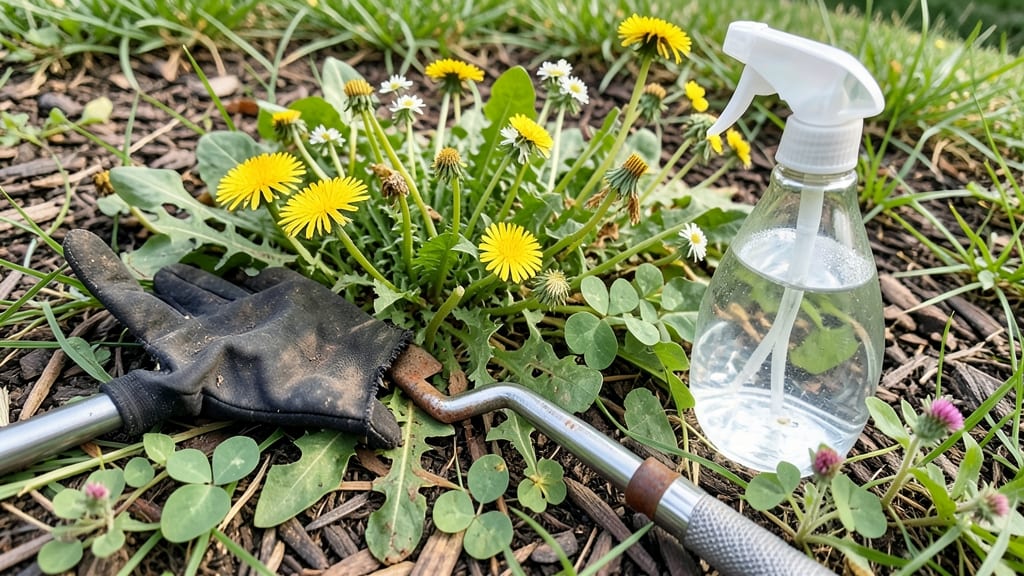
Sticker weeds in lawns are the tiny, spiky invaders that turn your perfect green into a prickly mess. 🌱 I’ve wrestled with these stubborn weeds for years—until I discovered the right tools and timing to pull them out without damaging the grass.
The key? A sharp tool, the right weather, and a little patience to keep them from coming back.
Most people assume these weeds are just a nuisance, but they actually thrive in thin, weak grass. A thick, healthy lawn is your first line of defense—mow high, water deeply but infrequently, and feed your grass in early spring.
When you do spot them, pull them early in the morning when the soil is damp but not muddy, and you’ll see them come out cleanly.
By the end of a season, you’ll have a lawn so smooth and green, neighbors will ask for your secret. The best part? Once you establish strong grass, sticker weeds struggle to take hold. It’s not about quick fixes—it’s about building a lawn that naturally outcompetes them.
For stubborn patches, a targeted spot treatment with vinegar or a natural herbicide works wonders, but prevention is always easier. Consistency is everything—just a few minutes a week keeps your lawn looking effortless.
Hidden Triggers Inviting Weeds
Sticker weeds—those stubborn, spiky invaders—don’t just appear out of nowhere. Their arrival is often a sign of underlying issues in your lawn’s ecosystem. Understanding these hidden triggers can help you address the root cause and prevent future outbreaks. Let’s break down the science behind why these weeds take hold.
Sticker weeds thrive in lawns where the grass is weak, often due to compromised soil health. Here’s how it happens:
- Lack of organic matter: Healthy soil is rich in decomposed plant material, which retains moisture and nutrients. When soil is depleted—common in over-fertilized or compacted lawns—weeds like sticker weeds (often Cenchrus echinatus or Digitaria sanguinalis) exploit the gaps. These weeds germinate quickly in bare, nutrient-poor patches where grass struggles to grow.
- pH imbalances: Sticker weeds prefer slightly acidic to neutral soil (pH 6.0–7.0). If your lawn’s pH is too high (alkaline) or too low (acidic), grass struggles to absorb essential nutrients like nitrogen and phosphorus, creating weak spots. A simple soil test can reveal imbalances—aim for a pH of 6.0–7.0 for optimal turf health.
- Compacted soil: Heavy foot traffic, machinery, or clay-heavy soil can compress the top layer, restricting root growth and oxygen flow. Compacted zones become prime real estate for weeds, as their shallow roots can penetrate easily while grass suffocates.
💡 Pro Tip: Aerate your lawn in early fall to relieve compaction and top-dress with 1–2 inches of compost to restore organic matter. This creates a hostile environment for weeds by giving grass the upper hand.
Watering habits play a huge role in weed proliferation. Sticker weeds are drought-tolerant but opportunistic—they germinate when soil moisture fluctuates unpredictably. Here’s why your watering routine might be inviting them:
- Excessive or shallow watering: Overwatering keeps the topsoil soggy, encouraging weed seeds to germinate. Conversely, shallow watering (e.g., quick sprinkles that only wet the surface) creates a false "moisture trigger" for weeds while stressing grass roots. Sticker weeds exploit these conditions by germinating in clusters where grass is weak.
- Inconsistent schedules: Skipping watering days or switching between deep and light sessions confuses grass roots. Weeds like sticker weeds have shallow, fibrous root systems that can sprout quickly in moist but unstable soil, while grass struggles to establish deep roots.
- Poor drainage: Areas where water pools (e.g., low spots, slopes) stay damp longer, creating ideal conditions for sticker weeds. These weeds often appear in "wet zones" because their seeds are lightweight and can be carried by water or wind into saturated soil.
🎯 Actionable Fix: Water deeply 1–1.5 inches per week (including rainfall), preferably in the early morning to reduce evaporation. Use a soaker hose or drip irrigation to target grass roots directly, avoiding runoff that can spread weed seeds.
Sticker weeds are opportunistic—they fill in wherever grass is sparse or dying. Thin turf creates gaps that expose bare soil, and these weeds germinate rapidly in sunlight. Here’s why your lawn might be leaving room for invaders:
- Disease or pest damage: Fungal infections (like brown patch or dollar spot) or insect activity (grubs, chinch bugs) can kill grass in patches. Sticker weeds colonize these dead zones because their seeds are often present in the soil but dormant until grass weakens.
- Improper mowing height: Cutting grass too short (below 2–3 inches) stresses the plant, reducing its ability to shade out weeds. Sticker weeds, with their aggressive lateral spread, can outcompete short grass for sunlight and nutrients.
- Slow recovery after stress: Construction, renovations, or even heavy shade can leave bare spots. Sticker weeds germinate within 5–10 days in disturbed soil, making them one of the first weeds to appear in newly exposed areas.
✨ Prevention Tip: Overseed bare patches with a high-quality turfgrass mix (e.g., tall fescue or Kentucky bluegrass) in early fall. Keep mower blades sharp to avoid tearing grass, and fertilize with slow-release nitrogen to encourage dense growth.
Sticker weeds don’t just pop up—they hitchhike into your lawn through natural and human-made pathways. Their seeds are lightweight and equipped with tiny barbs, making them easy to disperse:
- Wind and water: Seeds can travel hundreds of feet on breezes or be carried by rainwater into lawns. They’re especially common in disturbed areas like construction sites, gardens, or even neighboring properties.
- Animal activity: Birds, rodents, and even pets can transport seeds via fur or droppings. Sticker weeds often appear near bird feeders or pet play areas because seeds stick to fur or are deposited in waste.
- Human tools and clothing: Lawnmowers, rakes, and shoes can unknowingly spread seeds from infested areas to healthy turf. A single seed can germinate if it lands in a crack or bare spot.
- Climate and season: Sticker weeds thrive in warm seasons (spring to fall) and germinate rapidly in 60–90°F soil temperatures. They’re less common in freezing climates but can persist as dormant seeds until conditions improve.
🔥 Quick Defense: Sanitize tools with a 10% bleach solution after use in infested areas, and avoid walking on lawns when seeds are ripe (usually late summer). If birds are a problem, use bird netting near feeders.
Quick Fixes for Stubborn Weeds
Tackling sticker weeds—those pesky, clingy invaders—requires a mix of precision, patience, and the right tools. Below, we’ve mapped out targeted solutions based on the root causes (like poor soil, overwatering, or compacted grass) and paired them with preventive strategies to keep your lawn lush and weed-free.
---
If your lawn is soggy or packed down, sticker weeds thrive in the damp, airless conditions. Here’s how to drain, aerate, and discourage regrowth:
#### 🔥 Step 1: Reduce Watering Immediately - Cut back to 1–1.5 inches per week (including rain). Overwatering is a weed magnet. - Water deeply but less often—early morning is best to prevent fungal issues. - Pro Tip: 💡 Use a moisture meter to check soil dampness before watering.
#### 🍳 Step 2: Aerate for Better Drainage - Rent a core aerator (or hire a pro) to pull small soil plugs, letting water and air circulate. - Best time: Late spring or early fall when grass is actively growing. - Follow up: Top with ½ inch of compost to improve soil structure.
#### **👨🍳 Step 3: Pull Weeds Before They Seed - Grab ‘em at the base with a weed puller or gloves—don’t leave roots behind! - For stubborn clumps, soak the area with vinegar (20% acetic acid) + dish soap (repeat weekly if needed). - Prevention: Overseed bare spots with dense grass varieties (like tall fescue or Kentucky bluegrass) to crowd out weeds.
---
Sticker weeds love weak grass. Boost your turf’s health to outcompete them naturally.
#### 🔪 Step 1: Test & Amend Soil - Grab a DIY soil test kit (or send one to a lab) to check pH and nutrient levels. - Adjust pH (ideal: 6.0–7.0) with lime (to raise) or sulfur (to lower). - Add organic matter: Mix in compost or aged manure to improve fertility.
#### 💪 Step 2: Fertilize Smartly - Spring: Apply a slow-release, high-nitrogen fertilizer (like 24-4-8) to encourage grass growth. - Fall: Switch to a balanced fertilizer (like 10-10-10) for root strengthening. - Avoid overdoing it—too much nitrogen can attract weeds!
#### 🎯 Step 3: Mow High & Sharply - Set your mower to 3–4 inches—taller grass shades out weeds and develops deeper roots. - Keep blades sharp to avoid tearing grass, which stresses it and opens doors for weeds.
---
Sticker weeds often take over where grass struggles—like shady patches or thin lawns.
#### ✨ Step 1: Choose the Right Grass - For shade: Plant fine fescue or creeping red fescue—they tolerate low light better than bluegrass. - For sun: Zoysia or Bermuda are drought-tolerant and weed-resistant.
#### 🌞 Step 2: Thin Overhanging Branches - Trim back trees or bushes to let at least 4–6 hours of sunlight reach the lawn. - Pro Tip: 🌡️ If shading is unavoidable, mulch nearby plants to prevent weed seeds from blowing in.
#### 🔄 Step 3: Reseed Bare Patches - Scratch the soil lightly with a rake, sprinkle grass seed + starter fertilizer, and water gently. - Use a pre-emergent (like corn gluten meal) in early spring to block weed seeds.
---
If weeds persist, selective herbicides can help—but use them strategically to avoid harming grass.
| Weed Type | Best Herbicide Choice | How to Apply | |---------------------|-----------------------------------|------------------------------------------| | Sticker Weeds | 2,4-D or Dicamba (for broadleaf weeds) | Spray only on weeds, not grass.
Wear gloves! | | Grassy Weeds | Fluazifop (e.g., Ortho Weed B Gon) | Apply when weeds are 3–6 inches tall. | | Organic Option | Boiling water or salt vinegar | Pour boiling water directly on weeds or spray vinegar + soap (repeat weekly). |
⚠️ Warning: Always read labels and follow safety instructions—herbicides can drift and damage nearby plants.
--- - Mow regularly (never remove more than ⅓ of the blade at once). - Water deeply but infrequently (early morning is best). - Aerate & overseed every 1–2 years to thicken grass. - Pull weeds early before they seed (even a few can spread wildly!). - Use mulch in garden beds to block weed seeds from taking root.
--- By targeting the cause—whether it’s soil, water, or grass health—you’ll starve out sticker weeds and restore a thick, vibrant lawn that’s hard for invaders to crack. Start with one fix, then layer in prevention** for long-term success!
Frequently asked questions
What are the tiny spiky weeds sticking to my shoes?
Those are likely sandburs or stickertights (like Cenchrus echinatus), common summer weeds with barbed seeds that cling to clothing and pet fur. They thrive in warm, dry conditions and often appear in thin lawns or disturbed soil. Grab them by the base with gloves or a tool to avoid the prickles!
Will vinegar kill sticker weeds without harming my grass?
Vinegar (20% acetic acid) works well for spot treatments, but be cautious—it can damage grass if overused. Mix equal parts white vinegar and water with a drop of dish soap, spray only on weeds, and avoid windy days to prevent drift. For large areas, consider a targeted herbicide like 2,4-D instead.
Why do sticker weeds keep coming back after I pull them?
They likely spread via seeds or hidden roots. These weeds produce hundreds of seeds that stay dormant in soil for years. To stop regrowth: pull before they flower, improve lawn density with overseeding, and fix underlying issues like compacted soil or poor drainage.
Can I mow over sticker weeds to control them?
Mowing alone won't eliminate them, but keeping grass at 3-4 inches helps shade out new growth. For best results, combine mowing with pulling young weeds (before they seed) and improving soil health. Mow frequently in summer to weaken their growth cycle.
Are sticker weeds harmful to pets or children?
While not toxic, their sharp spines can irritate skin or paws. Keep pets away while treating weeds, and check paws afterward. For kids, wear shoes when playing in affected areas. The real concern is their ability to spread—remove them promptly to prevent lawn takeover!