
Lawn
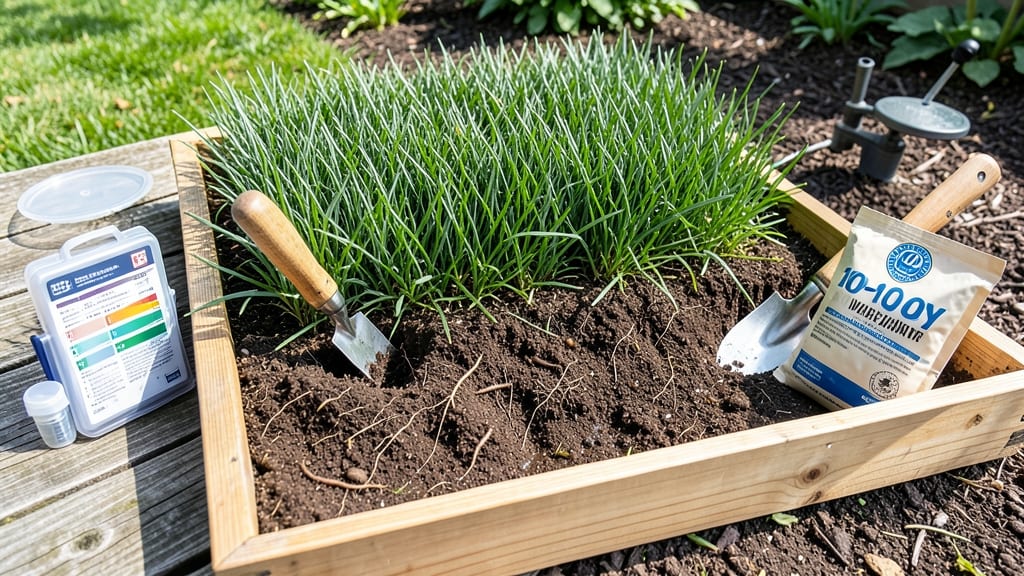
Transforming your lawn into a thick, vibrant carpet starts with the right soil foundation—like Sta-Green Lawn Soil. This specialized blend is designed to improve drainage, boost root development, and create the ideal growing conditions for grass seeds or sod.
Unlike generic topsoil, it’s formulated to break down compaction and retain moisture, which means fewer brown patches and more consistent growth. The magic lies in its balanced composition: a mix of organic matter, sand, and nutrients that mimics the natural soil structure grass craves.
I’ve used it in areas with heavy clay or poor drainage, and within 4-6 weeks, the difference in grass density and color is noticeable. It’s not just about adding soil—it’s about creating an environment where grass can thrive from the start.
For best results, spread a 2-3 inch layer over your prepared lawn area and lightly rake it in before seeding or laying sod. Water thoroughly to help it settle and encourage root penetration.
This isn’t a quick fix, but with proper maintenance—regular watering, mowing at the right height, and occasional top-dressing—you’ll see a lush, green lawn that stands out in the neighborhood. What sets Sta-Green apart is its ability to improve existing soil without the need for costly amendments.
Whether you’re overseeding a tired lawn or preparing a new yard, this soil mix gives you a head start on healthy, resilient grass. Ready to see the transformation? Let’s get growing.
📚 In This Guide
- What you need
- Instructions
- Tips and common mistakes
- Wrapping up and next steps
What you need
- ● Topsoil (60% of mix): 10 cubic yards (or ~100 lbs per 10 sq ft of lawn). Opt for high-quality, well-draining topsoil with a pH of 6.0–7.0.
- ● Compost: 20% of mix (~20 lbs per 10 sq ft). Use aged, organic compost (avoid fresh manure) to boost nutrients.
- ● Sand (Coarse): 20% of mix (~20 lbs per 10 sq ft). Improves drainage and aeration—never use fine sand.
- ● Sta-Green Soil Conditioner: 1–2 lbs per 100 sq ft. Follow package instructions for exact ratios (usually mixed into topsoil).
- ○ Slow-Release Fertilizer (Optional but Recommended): 1 lb per 100 sq ft. Choose a balanced 10-10-10 or 16-4-8 blend for steady growth.
- ● Garden tiller or rototiller (rent if needed).
- ● Wheelbarrow or large garden cart for mixing.
- ● Rake (bow or leaf rake) for leveling.
- ● Garden hose with spray nozzle.
- ● Gloves, knee pads, and safety goggles (for mixing large batches).
- ○ Optional: Soil test kit (~$20) to check pH/nutrient levels before mixing.
- ● Clear the lawn of debris, rocks, and weeds. Solarize or use vinegar spray for stubborn weeds.
- ● Test soil pH (aim for 6.0–7.0). Adjust with lime (to raise pH) or sulfur (to lower) if needed.
- ● Mark irrigation zones if using a sprinkler system to avoid over/under-watering.
- ● Best Time to Start: Early spring or fall (avoid extreme heat or frost).
Step-by-Step instructions for mixing Sta-green lawn soil
Here's how to blend a nutrient-rich foundation that gives grass roots the perfect balance of aeration, moisture retention, and organic matter.
Test and Prepare Your Existing Soil
Before adding any amendments, test your soil's pH and texture. A simple soil test kit reveals whether your lawn needs acidity adjustment—ideal pH for most grasses is 6.0-7.0. If your soil is too dense, till it to a depth of 4-6 inches using a rototiller or garden fork. This loosens compacted layers so roots can penetrate deeper.
Remove any debris like rocks, roots, or weeds. You'll notice the soil feels smoother and more workable after tilling. If your lawn has thatping from foot traffic, rake out the dead grass layer first—this prevents smothering new growth. The goal is a clean, level base where amendments will integrate evenly.
Layer Organic Matter for Structure and Nutrition
Spread a 1-inch layer of compost evenly across the tilled area. This adds essential microbes and slow-release nutrients. For sandy soil, mix in 2 inches of peat moss or coconut coir to improve moisture retention. In clay-heavy soil, incorporate 2 inches of perlite or coarse sand to prevent compaction.
Work these amendments into the top 3 inches of soil using a rake or tilling tool. You'll see the soil darken and feel lighter, indicating better aeration. For high-traffic areas, add an extra ½ inch of compost—this boosts root resilience against wear. Avoid overdoing it; too much organic matter can create anaerobic pockets that suffocate roots.
Incorporate Sta-Green Soil Mix for Uniformity
Spread a 2-inch layer of Sta-Green lawn soil mix over the amended area. This blend contains balanced nutrients and slow-release fertilizers tailored for grass growth. Use a broadcast spreader for even distribution, then rake lightly to break up clumps. For slopes, apply soil horizontally to prevent runoff.
Mix the Sta-Green soil into the top 2 inches of your prepared base. You'll notice the soil becomes uniformly dark and crumbly, with no visible clods. This texture ensures roots establish quickly while retaining moisture without waterlogging. For new lawns, blend the mix with the top 4 inches of soil. For overseeding, focus on the top 1-2 inches.
Level and Compact for Optimal Root Contact
Use a lawn roller or garden roller to gently compact the amended soil. Apply just enough pressure to eliminate air pockets—you want the surface to feel firm but not rock-hard. Walk across the area to check; if footprints remain, roll again. For large areas, work in 5-foot sections. This ensures consistent density throughout.
Rake the surface one final time to create a smooth, level finish. You'll see the soil settle slightly, revealing a uniform texture. For slopes, create gentle contours to guide water runoff away from low-lying areas. This step prevents erosion and ensures even grass germination or establishment.
Water Deeply to Settle and Hydrate
Apply ½ inch of water. This settles the soil and activates the Sta-Green mix's nutrients. Water slowly to avoid runoff, using a sprinkler with a fine mist setting. For sandy soil, water in two ¼-inch sessions. Clay soil can handle a single deep watering but may need a second pass after 24 hours*.
Let the water soak in completely—you'll see the soil darken slightly as moisture penetrates. Avoid overwatering; soggy soil can suffocate roots and wash away loose amendments. After watering, lightly rake again to break any surface crust that forms. This prepares the bed for seeding or sod installation, ensuring optimal root-to-soil contact.
Tips & tricks for perfect Sta-green lawn soil mixing
Creating the ideal foundation for vibrant grass requires precision—and these insights will help you avoid common pitfalls while maximizing your lawn's potential.
Soil Testing Accuracy: Don't rely solely on visual inspection for pH testing in Step 1. Purchase a digital soil test kit for precise readings—these typically cost under $20 and eliminate guesswork. The ideal pH range of 6.0-7.0 is critical for nutrient availability, and even small deviations can affect grass growth. If your test shows extreme pH (below 5.5 or above 7.5), consider adding sulfur or lime amendments before proceeding with the soil mix.
Layering Technique for Sandy Soil: When working with sandy soil in Step 2, create horizontal layers rather than mixing everything at once. Start with the 2-inch peat moss layer, then add the 1-inch compost layer on top. This prevents the compost from washing away during watering. For clay-heavy soils, incorporate the perlite in thin layers (about ½ inch at a time) while tilling to avoid creating air pockets that could lead to compaction.
Sta-Green Mix Distribution: In Step 3, resist the temptation to use a shovel for spreading the 2-inch Sta-Green layer—this creates uneven distribution. Instead, use a broadcast spreader set to its lowest setting for even coverage. For slopes, work horizontally across the grade rather than vertically to prevent runoff. After spreading, use a stiff-bristle rake to break up clumps while maintaining the 2-inch depth specification, especially important for new lawns where you're blending with the top 4 inches.
Watering Strategy for Different Soils: The ½-inch watering guideline in Step 5 requires adjustment based on soil type. For sandy soils, split the watering into two ¼-inch sessions with a 30-minute break between to allow absorption. Clay soils should receive the full ½ inch at once, but monitor for standing water—if puddles form, spread the watering over two sessions separated by 24 hours as mentioned. Always water slowly to prevent runoff, which can erode your carefully prepared soil layers.
Pro Tips for Sta Green Lawn Soil
- Creating the ideal foundation for vibrant grass requires precision—and these insights will help you avoid common pitfalls while maximizing your lawn's potential.
- Soil Testing Accuracy: Don't rely solely on visual inspection for pH testing in Step 1.
- Layering Technique for Sandy Soil: When working with sandy soil in Step 2, create horizontal layers rather than mixing everything at once.
Frequently asked questions
Got questions about achieving that sta-green lawn soil dream? You’re not alone! Here are some of the most common queries—and their straightforward answers—to help you grow a lush, envy-worthy lawn without the guesswork.
What’s the best time of year to apply Sta-Green lawn soil?
The ideal window is early spring (March–April) or fall (September–October) when temperatures are mild, and rain helps settle the soil. Avoid extreme heat or frost—your grass will thank you! For new lawns, spring is key for root establishment.
Can I mix Sta-Green soil with my existing soil?
For best results, top-dress (spread ¼–½ inch over existing lawn) or till into bare patches. Mixing too deeply can disrupt roots. Pro tip: Water thoroughly after application to activate nutrients and improve soil contact.
Is Sta-Green lawn soil worth the investment over cheaper alternatives?
Yes—if you prioritize long-term health over short-term savings. It’s packed with slow-release nitrogen, organic matter, and microbial boosters that outperform generic blends. Think of it as a premium foundation for thicker grass with less maintenance.
What do I do if my lawn looks patchy or yellow after applying Sta-Green?
Patchiness often signals uneven application or overwatering. Check soil moisture (1 inch/week is ideal) and reapply thinner layers if needed. For yellowing, test pH—Sta-Green works best in 6.0–7.0 range. Lime or sulfur may help adjust it.
How often should I reapply Sta-Green lawn soil?
For established lawns, annual top-dressing (spring/fall) maintains vibrancy. New lawns may need a second application in 6–8 weeks to support root growth. Monitor grass health—thin spots are your cue to refresh!
Wrapping up and next steps
Achieving that thick, vibrant green lawn you’ve always dreamed of is totally within reach with the right Sta-Green lawn soil mix! By blending organic matter, topsoil, and essential nutrients, you’re giving your grass the perfect foundation to thrive—even in tough conditions.
Remember, consistency is key, so monitor moisture, mow high, and fertilize seasonally to keep your lawn lush all year.
Ready to take the next step? Grab your supplies, roll up your sleeves, and start mixing! Your future lawn will thank you—one perfectly nourished blade at a time. 🌱✨