
Lawn
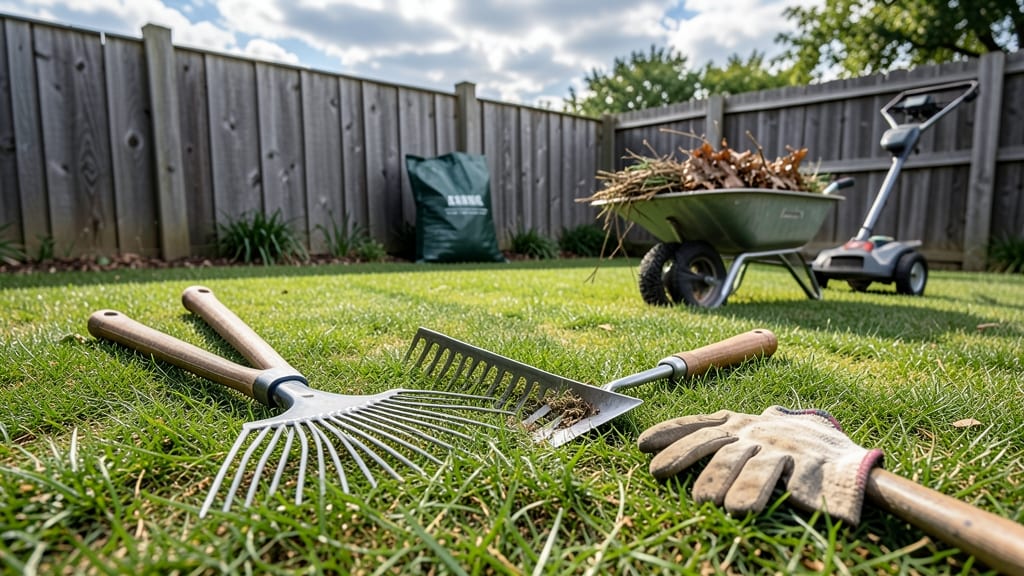
Spring lawn cleanup isn’t just about clearing dead grass—it’s the secret to a thick, green lawn that stays lush all year. 🌱 After years of trial and error (and a few patchy lawns that made me cringe), I’ve perfected a simple system that takes just one weekend to transform your yard from winter-brown to summer-showpiece.
The key? Timing everything just right—raking when the soil is damp, fertilizing before weeds take over, and aerating when the ground is warm enough to work.
You’ll need basic tools: a sturdy rake, a sharp mower, a core aerator (or a manual spike aerator if you’re on a budget), and a spreader for fertilizer. The process starts with clearing debris—think of it like giving your lawn a fresh start after its winter nap.
Once the ground is clean, you’ll mow at the right height to encourage strong root growth, then add fertilizer to feed the grass as it wakes up from dormancy. It’s not complicated, but skipping steps (like aerating) means your lawn will struggle to breathe—and that’s when weeds move in.
By the end of the day, you’ll have a lawn that looks so much healthier than your neighbors’. The grass will be a vibrant green, the soil will hold moisture better, and you’ll be setting up your yard to handle summer heat without wilting.
The best part? This isn’t a one-time fix—it’s the foundation for a lawn that stays thick, green, and low-maintenance all season long. Ready to get started? Let’s tackle it step by step.
Pro tip: If your lawn has bare spots, now’s the time to overseed—just make sure to do it after aerating for the best results. And if you’re in a hot climate, hold off on heavy fertilization until after the first mow of spring.
The goal is to give your grass the right head start without overwhelming it. Small adjustments like these make all the difference between a good lawn and a great one.
📚 In This Guide
- What you need
- Instructions
- Tips and common mistakes
- Wrapping up and next steps
What you need
- ● Lawn mower (gas or electric, sharp blades—dull blades tear grass!)
- ● String trimmer/weed whacker (for edges and tight spots; 16"–20" cutting width ideal)
- ● Rake (leaf rake for debris + bow rake for thatch, 18"–24" teeth)
- ● Garden gloves (heavy-duty, waterproof for comfort)
- ● Lawn bags or tarp (for easy debris removal; 3–5 yard capacity bags work well)
- ● Pruners/loppers (for trimming overgrown shrubs; bypass pruners for clean cuts)
- ● Broom or leaf blower (for sidewalks/driveways; variable-speed blower saves effort)
- ● Soil knife or dandelion digger (for stubborn weeds/roots)
- ● Hose with nozzle (adjustable spray for rinsing tools/lawn)
- ○ Knee pads (optional but highly recommended for comfort!)
- ● Lawn aerator (core or spike; rent if needed—great for compacted soil)
- ● Post-emergent herbicide (spot-treat weeds after cleanup)
- ● Soil test kit (check pH/nutrients before fertilizing)
- ● Wheelbarrow (for hauling heavy debris)
- ● Safety gear (sunglasses, ear protection for loud tools, dust mask for blowing leaves)
Step-by-step instructions for spring lawn cleanup
Here's how to refresh your lawn for vibrant growth all season—no shortcuts, just proven techniques.
🪴 Step 1: Clear Debris and Aerate Compacted Soil
Start by raking up dead leaves, twigs, and thatch—anything blocking sunlight or air from reaching the grass roots. I use a stiff-bristled rake to pull up debris without tearing the grass blades. Focus on areas where snow mats or heavy foot traffic have compacted the soil; you'll see a spongy resistance when you press down.
Next, rent a core aerator or use a manual aeration tool to pull small soil plugs. This opens up the ground for air, water, and nutrients to penetrate. Work in overlapping passes for even coverage—you'll notice the soil looks darker and more crumbly after aeration. For small lawns, a garden fork works too: just poke holes every 3-4 inches.
✂️ Step 2: Mow at the Right Height and Direction
Set your mower to its highest setting—usually 3-4 inches—to avoid scalping the grass. Cutting too short stresses the roots and invites weeds. Mow in a different direction than last fall to prevent soil compaction from repeated wheel tracks. You'll see a more even, healthy stand after just one pass.
Bag the clippings if they're long or your lawn looks thick. Short clippings can be left as natural mulch, but don't leave piles that smother the grass. After mowing, sharpen your mower blades if they're dull—you'll know they need it if the grass tears instead of cleanly cutting.
💧 Step 3: Test Soil and Apply Fertilizer Strategically
Take a soil sample from several spots in your lawn and send it to your local extension office for a pH test. Most grasses thrive at 6.0-7.0 pH. If your soil is too acidic, spread lime according to the test results. For basic fertilization, use a slow-release 10-0-10 or 16-4-8 formula in early spring—just follow the package rate for your lawn size.
Water deeply after fertilizing to help nutrients penetrate the soil. You'll see the grass perk up within a week if the soil was lacking. Avoid high-nitrogen fertilizers now; they encourage leaf growth but weaken roots. Instead, focus on building soil health first.
☀️ Step 4: Overseed Bare Spots and Control Weeds
Spread fresh seed over thin or bare areas, then lightly rake to ensure good soil contact. Choose a grass type that matches your climate—cool-season grasses like fescue or ryegrass work best in most regions. Water gently twice daily until the new grass reaches 2-3 inches tall.
For weeds, spot-treat with a pre-emergent herbicide if you're dealing with crabgrass or other annuals. Pull broadleaf weeds by hand while they're small—you'll spot them easily when the grass is actively growing. Avoid post-emergent herbicides now; they can damage new grass seedlings.
🌱 Step 5: Establish a Maintenance Routine
Mow regularly but never remove more than ⅓ of the grass blade height at once. Adjust your mower height as the season progresses—keep it taller in summer heat to retain moisture. Water 1 inch per week, either from rain or irrigation, and always water deeply to encourage deep root growth.
Check your lawn weekly for pests like grubs or chinch bugs. Early intervention is key—look for irregular brown patches or spongy turf that pulls up easily. A simple soapy water spray test reveals chinch bugs: if bugs crawl out within minutes, treat immediately with an insecticide labeled for your grass type.
Tips & tricks for perfect spring lawn refreshment
Took me years to figure out these little details that make all the difference between a so-so spring lawn and one that stays lush all season. Here's what nobody tells you—
Equipment Upgrade: If you don't have a core aerator, a simple garden fork works just as well for small lawns. Press the fork down every 3-4 inches in overlapping rows, twisting slightly to create those crucial soil plugs. I learned this the hard way after renting an aerator for a tiny yard—don't waste money on equipment you won't use often!
Mowing Technique: The 3-4 inch height setting isn't just about length—it's about preserving grass health. When you mow, adjust your mower deck height so the blades just barely graze the top of the grass. This prevents scalping while maintaining that perfect height. And here's the secret: mow when the grass is dry to avoid clumping and ensure clean cuts.
Soil Test Timing: Spring is the perfect time to test your soil pH, but don't wait until you're ready to fertilize. Send your sample to the extension office at least 2 weeks before you plan to apply lime or fertilizer. This gives you time to get results and adjust your plan—you'll want to know if your soil needs lime before you spread fertilizer, as lime takes time to work.
Weed Prevention: For those stubborn weeds popping up in Step 4, try this trick: after overseeding, cover the area with a thin layer of straw or peat moss. This blocks sunlight from reaching weed seeds while allowing your new grass to grow. Just make sure to remove it once the new grass reaches about 2 inches tall—you'll see it makes a noticeable difference in weed suppression.
Pro Tips for Spring Lawn Cleanup
- Took me years to figure out these little details that make all the difference between a so-so spring lawn and one tha...
- Equipment Upgrade: If you don't have a core aerator, a simple garden fork works just as well for small lawns. Press t...
- Mowing Technique: The 3-4 inch height setting isn't just about length—it's about preserving grass health. When you mo...
Frequently asked questions
Got questions about spring lawn cleanup? You’re not alone! Here are answers to the most common concerns to help you tackle your yard with confidence.
When is the best time to start spring lawn cleanup?
The ideal window is late winter to early spring, once the ground thaws but before grass sprouts aggressively. Aim for March–April in most regions—this gives you time to clear debris, aerate, and fertilize before summer heat hits. Check your local frost dates to avoid disturbing dormant soil.
Do I need to remove all the dead grass and leaves?
Not necessarily! Light debris (like thin layers of leaves) can act as natural mulch, retaining moisture. However, thatch over ½-inch thick or thick mats of debris should be removed to prevent pests and disease. Use a rake or dethatcher for stubborn buildup—just avoid scalping the lawn.
Can I skip aerating if my lawn looks fine?
Even healthy lawns benefit from aeration every 1–2 years. Compacted soil restricts root growth, making grass vulnerable to drought and weeds. If your yard feels spongy when walked on or water pools after rain, it’s a clear sign to aerate. Rent a core aerator for DIY-friendly results!
What’s the fastest way to fix brown patches after cleanup?
Brown patches often stem from thatch, disease, or poor drainage. Start by raking out dead grass, then overseed bare spots with fast-growing grass seed (like ryegrass). Water lightly daily for 2 weeks. For fungal issues, apply a fungicide and improve airflow by mowing higher (3–4 inches).
Is hiring a pro worth it for spring cleanup?
It depends on your lawn’s size and condition. Pros charge $100–$300 for basic cleanup (raking, edging, aerating) but save time and ensure precision. DIY works for small yards or those willing to invest in tools. Weigh the cost against your comfort level—some tasks (like stump grinding) are better left to experts!
Wrapping up and next steps
A well-maintained lawn isn’t just about aesthetics—it’s the foundation for a thriving outdoor space. By mastering spring lawn cleanup with strategic trimming, you’ve taken the first step toward year-round lushness, healthier grass, and fewer pests.
Your efforts now will pay off in vibrant greenery, easier maintenance, and even more time to enjoy your yard.
Ready to see your hard work bloom? Grab your tools, schedule that next trim, and watch your lawn transform! 🌱 For extra guidance, check out seasonal care tips or local gardening resources to keep your yard in peak condition all year.