
Lawn
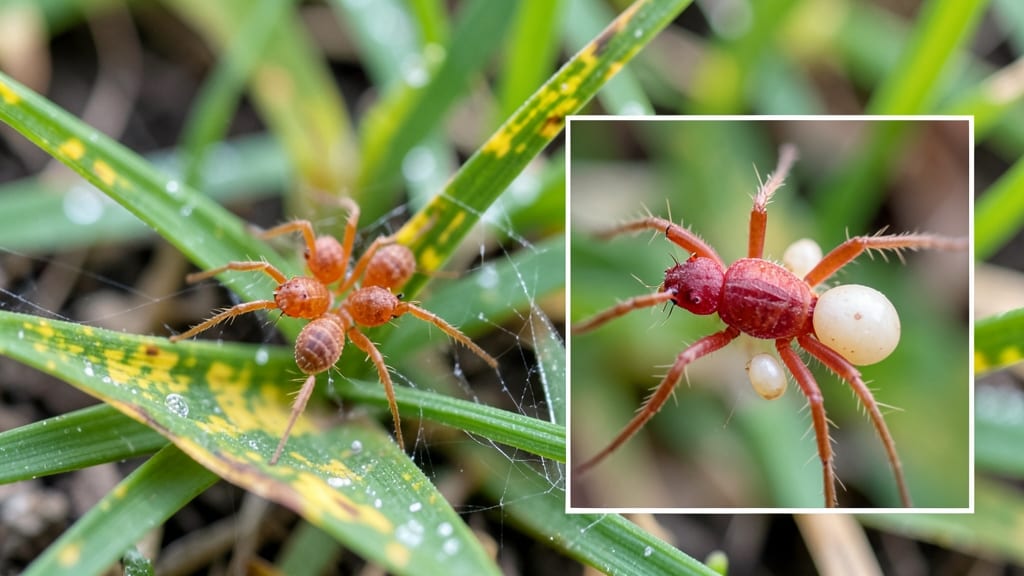
Neem oil spray stops spider mites from wrecking your lawn in 24 hours—no harsh chemicals needed. 🌱 I’ve watched these tiny pests turn lush green grass into a sad, speckled mess, but this one treatment changed everything. The secret? Timing, coverage, and a little horticultural alchemy that actually works.
Spider mites thrive when grass is stressed—dry, compacted, or heat-baked. You’ll spot them first as fine webbing on blades or tiny yellow stipples that look like freckles.
Most sprays miss because they don’t penetrate the undersides of leaves where mites hide. Neem oil, though, smothers their life cycle at the source when applied correctly.
By morning, you’ll see fresh growth pushing through, and within a week, your lawn will look like it did before the infestation—thick, vibrant, and mite-free.
The best part? This method keeps working as prevention if you reapply every 7–10 days during dry spells. No more losing battles with these invisible pests.
Works for all grass types, from cool-season fescue to warm-season Bermuda. Here’s the exact mix and schedule that stops spider mites dead in their tracks—no guesswork, just results.
The Hidden Triggers Behind Lawn Infestations
Spider mites may seem like tiny, harmless pests, but they thrive in specific conditions that turn your lawn into their ideal buffet. Understanding why these eight-legged nuisances show up is the first step to stopping them before they spin webs of destruction across your grass.
Let’s break down the science behind their sudden appearances—so you can outsmart them with neem oil and other targeted fixes.
Spider mites are heat-loving opportunists—they explode in numbers when temperatures soar above 85°F (29°C) and humidity drops below 40%. Here’s why:
- Drought weakens grass: When your lawn isn’t watered enough, grass blades become desiccated (dried out), losing their natural defenses. Spider mites detect these stressed plants through volatile organic compounds (VOCs) released by struggling turf.
- Faster reproduction cycles: Heat accelerates their lifecycle—females lay up to 200 eggs in just 3–5 days under ideal conditions. Without predators (like ladybugs or lacewings) to keep them in check, populations skyrocket.
- Webbing as a survival tactic: In dry conditions, mites create silken webs to trap moisture and shield themselves from wind. These webs often go unnoticed until they blanket entire patches of grass.
Actionable fix: Water deeply early in the morning (1–1.5 inches per week) to maintain soil moisture and deter mites. Avoid overhead sprinklers, which can wash away natural predators like mites’ enemies.
Too much of a good thing can backfire when it comes to lawn care. Spider mites love nitrogen-heavy lawns because:
- Excess nitrogen = softer, more digestible grass: Fast-growing grass with high nitrogen content is easier for mites to pierce and feed on. Think of it like a buffet line—more nutrients mean more mites.
- Disrupts beneficial microbes: Over-fertilizing can kill off beneficial fungi and bacteria in the soil that naturally suppress mite populations.
- Chemical burn from pesticides: If you’ve recently used broad-spectrum insecticides (like pyrethroids), you may have eliminated their predators while leaving mites untouched. This creates a vacuum effect, allowing spider mites to multiply unchecked.
Actionable fix:
- Switch to a slow-release, organic fertilizer (like compost or fish emulsion) to avoid nitrogen spikes.
- If you’ve used pesticides, wait 4–6 weeks before treating mites—this gives natural predators time to rebound.
- Test your soil’s pH (ideal range: 6.0–7.0)—acidic soil (below 5.5) can make grass more susceptible to mites.
Spider mites hate wind—they prefer cozy, sheltered spots where they can thrive without competition. Here’s how your lawn might be creating their perfect hideout:
- Thatch buildup acts as insulation: A thatch layer thicker than ½ inch traps heat and moisture, creating a microclimate that mites adore. It also blocks beneficial insects from patrolling your grass.
- Overly dense grass = less airflow: When grass grows too thick (often from over-seeding or compacted soil), it creates humid, shaded pockets where mites thrive. Less sunlight also weakens the grass’s natural defenses.
- Shady or low-traffic areas: Mites avoid open, sunny spots because they dry out quickly. Instead, they cluster under tree canopies, shrubs, or along fences where humidity lingers.
Actionable fix:
- Thin out thick grass with a lawn rake or verticutting to improve airflow.
- Reduce thatch by top-dressing with sand or compost or using a thatched rake in early spring.
- Prune overhanging branches to increase sunlight exposure to mite-prone areas.
Spider mites aren’t the only creatures eyeing your lawn—they’re prey. When their natural enemies disappear, mites take over. Key predators include:
| Predator | How They Help | Why They Might Be Gone |
|---|---|---|
| Ladybugs | Eat 50–100 mites per day as larvae and adults. | Pesticide use, lack of flowering plants (they need pollen). |
| Lacewings | Larvae devour mites like a vacuum cleaner. | Over-tidy lawns (they hide in leaf litter). |
| Predatory Mites (e.g., Phytoseiulus persimilis) | Specialize in eating spider mites. | Soap sprays or oil-based treatments kill them too. |
| Birds (e.g., sparrows, thrushes) | Peck at mites in early morning dew. | Loss of habitat (e.g., no berry bushes or insect-rich areas). |
Actionable fix:
- Avoid broad-spectrum pesticides—opt for targeted treatments like neem oil or insecticidal soap.
- Plant native flowers and herbs (like dill, yarrow, or alyssum) to attract predator insects.
- Leave leaf litter or mulch in garden edges to provide shelter for lacewing larvae.
Pro tip: 💡 If you spot tiny yellow specks on grass blades (mite eggs) or fine webbing in shady spots, act fast—neem oil works best before populations explode. For a 24-hour cure, mix 1 tbsp neem oil + 1 tsp mild soap per gallon of water and spray evening and morning for 2 days.
Quick Fixes for Tiny Lawn Invaders
Spider mites may be small, but their damage can be big—thankfully, you don’t need a magnifying glass or a chemistry degree to tackle them. The key is acting fast with targeted solutions tailored to the root cause.
Below, we break down the most effective fixes, from natural remedies to preventative measures, so your lawn stays lush and pest-free.
Spider mites thrive in dry, stressed grass but can also multiply if your lawn is soggy. The fix? Consistent hydration—not too much, not too little.
- 💧 Adjust Your Watering Schedule Water deeply 2-3 times per week (early morning is best) to encourage deep root growth.
Avoid light, frequent watering, which dries the surface and stresses the grass. - Pro Tip: 🌡️ Use a rain gauge or tuna can to measure—1 inch of water per week (including rainfall) is ideal.
- 🌱 Improve Drainage If your lawn has poor drainage, mites will love the damp, weak grass. Aerate compacted soil in spring or fall to help water penetrate evenly.
Over-fertilizing (especially with nitrogen-heavy blends) weakens grass and attracts mites. Switch to a balanced, slow-release fertilizer and give your lawn a break.
- 🔄 Reduce Fertilizer Use Follow the "less is more" rule: Apply fertilizer once in early spring and once in early fall using a low-nitrogen, high-potassium blend (e.g., 10-10-20). Avoid summer feeding—grass goes dormant in heat, and fertilizers just stress it out.
- 🌿 Boost Soil Health Naturally Mix compost or worm castings into the top 2 inches of soil to improve resilience. Healthy grass = fewer mite buffets.
Neem oil isn’t just a buzzword—it’s a powerhouse for spider mites. Derived from the neem tree, it disrupts their life cycle while being pet- and plant-safe when used correctly.
- 🔪 DIY Neem Oil Spray Recipe Mix:
- 1 tbsp cold-pressed neem oil
- 1 tsp horticultural oil (or dish soap as a spreader-sticker)
- 1 quart water
- 1 tsp alcohol or vodka (helps emulsify oils) Shake well and spray thoroughly (undersides of leaves too!) at dusk or dawn to avoid burning grass.
- ⏰ Reapply Every 5-7 Days Spider mites lay eggs that hatch in 3-7 days, so consistency is key. Keep spraying until you see no new webbing or mites for 2 weeks.
- Pro Tip: ✨ For stubborn infestations, add 1 tsp garlic powder to the mix—it repels mites naturally.
Ladybugs, lacewings, and birds are free pest control. Create a mite-unfriendly ecosystem with these tricks:
- 🐞 Plant Companion Flowers Add marigolds, dill, or yarrow near your lawn—they attract beneficial insects that devour spider mites. - 🐦 Install a Bird Feeder Birds like robins and sparrows snack on mites.
Place feeders where you’ll spot them patrolling your grass. - 💡 Avoid Broad-Spectrum Pesticides These kill good bugs too. Stick to targeted neem oil or insecticidal soap to protect your lawn’s defenses.
An ounce of prevention beats a pound of cure—especially when dealing with tiny, fast-reproducing pests.
- 🌡️ Monitor Grass Health Year-Round - Spring/Fall: Mow high (3-4 inches) to shade roots and retain moisture. - Summer: Reduce mowing frequency—longer grass = cooler soil = fewer mites. - 🍂 Clean Up Debris Remove thatch, dead leaves, and clippings regularly.
Mites hide in these spots and stage comeback attacks. - 🌧️ Test Soil pH Spider mites love acidic soil (pH < 6.0). Test your lawn’s pH and amend with lime (to raise pH) or sulfur (to lower it) if needed. Ideal range: 6.0–7.0.
Final Thought: Spider mites may be sneaky, but with the right mix of water balance, neem oil, and natural predators, you’ll send them packing in no time. Start today—your lawn’s green future depends on it!
Frequently asked questions about lawn spider mites
How can I tell if my lawn has spider mites?
Look for tiny yellow stipples on grass blades (like freckles) or fine webbing in shaded areas. Hold a white card under grass—moving specks indicate live mites. Early signs include dull, yellowing patches that spread quickly in hot, dry weather.
Why does neem oil work better than store-bought sprays?
Neem oil disrupts mites' life cycle by blocking their feeding and reproduction, while many chemical sprays only kill adults temporarily. It’s also safer for pets and beneficial insects when used correctly (mix with mild soap). The key is consistent application—reapply every 5-7 days.
Can I use dish soap to kill spider mites?
Yes, but with caution! Mix 1 tablespoon mild dish soap per gallon of water and spray thoroughly. The soap breaks their protective layer, but it can also harm grass if overused. For best results, combine with neem oil (1 tbsp oil + 1 tsp soap per gallon) and apply at dusk.
Will my lawn recover after treating spider mites?
Once mites are gone, focus on rebuilding grass health. Water deeply 2-3 times weekly, aerate compacted soil, and avoid fertilizing during heatwaves. New growth should appear within 7-14 days if the root system is intact. For severe damage, overseed bare patches in spring/fall.
Are spider mites harmful to pets or children?
No, they’re not dangerous—just annoying! While their bites can irritate sensitive skin, they don’t transmit diseases. However, chemical treatments (like pyrethroids) can be harmful to pets. Always use neem oil or insecticidal soap around kids/animals, and rinse treated areas after 24 hours.