
Lawn
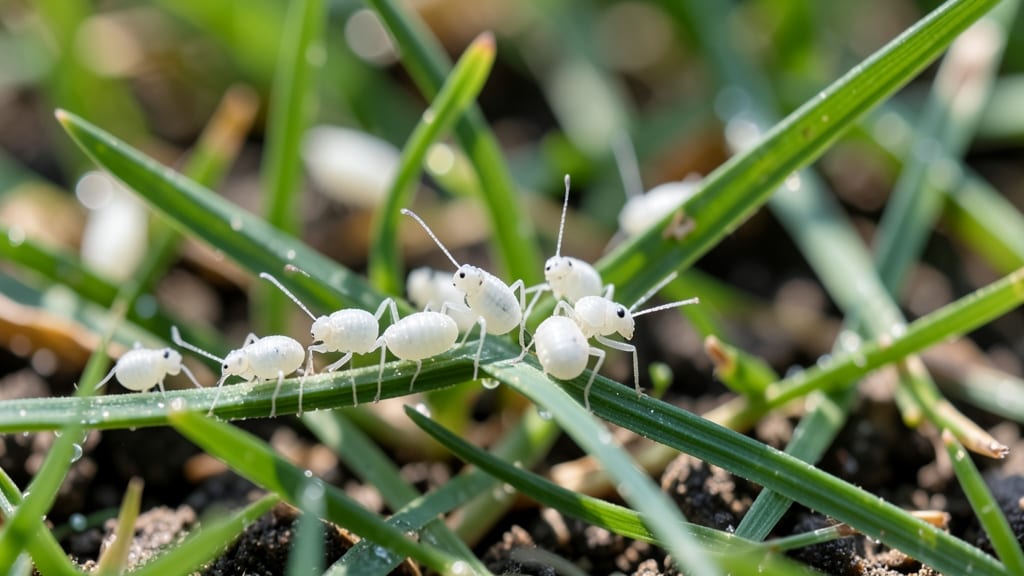
Those tiny small white bugs in the lawn hopping across your grass aren't just annoying—they're a sign your yard's ecosystem is out of balance. 🌱 I've battled them for years, and I've learned the fastest way to eliminate them naturally, without harsh chemicals that harm your grass or the environment.
The key is understanding their lifecycle and hitting them at the right moment.
Most of these pests—whether they're fungus gnats, flea beetles, or white grubs—thrive in moist, shaded lawns with thick thatch. They don't just damage grass; they also attract predators like birds that can tear up your lawn searching for them.
The good news? A 24-hour plan using simple organic methods can turn your lawn back into a lush, bug-free carpet.
By the end of this process, you'll see fewer bugs crawling around, healthier grass roots, and a lawn that looks like it belongs on a postcard. The best part? You won't need expensive sprays or professional help—just a few targeted techniques that work with nature, not against it.
Whether you're dealing with a sudden infestation or just want to prevent future problems, these steps adapt to any yard size or season. Let's get your lawn back to its best in no time!
Root Causes Of Lawn Invaders
Discovering tiny white bugs crawling across your lawn can feel like an unexpected pest party. But why are they there? These uninvited guests usually arrive due to a mix of environmental factors, plant health, and even human activity.
Understanding the why behind their presence helps you take targeted action to evict them fast. Let’s break down the most common reasons these critters show up in your yard.
Many small white bugs, like fungus gnats or springtails, thrive in damp, soggy soil. Here’s why:
- Fungal Feast: Excess moisture creates the perfect breeding ground for fungi, which these bugs feed on. Fungus gnats, in particular, lay eggs in moist soil, and their larvae hatch within days.
- Poor Drainage: Compacted or clay-heavy soil traps water, turning your lawn into a bug buffet. If your yard feels squishy after rain or watering, you’re signaling to pests: “Welcome, the all-you-can-eat buffet is open.”
- Overwatering Habits: Watering your lawn daily (or even every other day) keeps the topsoil perpetually wet. Most lawns only need 1–1.5 inches of water per week, including rainfall. Adjust your watering schedule to let the soil dry out between sessions.
Pro Tip: 💡 Use a moisture meter to check soil dampness before watering. Aim for 40–60% moisture—any higher, and you’re creating a bug paradise.
Thatch—a layer of dead grass, roots, and debris—can be a cozy hideout for pests like mealybugs or white grubs. Here’s how it happens:
- Shelter from Predators: Thatch provides protection from birds, beetles, and other natural enemies. Bugs nestle into this layer to avoid detection while feasting on decomposing plant matter.
- Food Source: Organic debris breaks down into nutrients that attract fungus-loving insects. White grubs, for example, munch on decaying grass roots hidden in thick thatch.
- Compacted Lawns: If your lawn hasn’t been aerated in years, thatch can mat together, trapping moisture and creating a high-risk zone for pests.
Action Step: ⏰ Dethatch your lawn in early spring or fall using a rake or a mechanical dethatcher. Remove debris to ½-inch thickness to disrupt bug habitats.
Healthy grass repels pests, but when your lawn is struggling, it becomes a magnet for small white bugs. Common stressors include:
- Nutrient Deficiencies: Yellowing or patchy grass signals a lack of nitrogen, phosphorus, or potassium. Weak grass attracts pests like chinch bugs, which feed on sap from struggling plants.
- Disease or Fungal Infections: Lawns with dollar spot or brown patch fungus often host white bugs that feed on the infected areas. Fungus gnats, for instance, are drawn to lawns with Rhizoctonia fungus.
- Pest Damage Cycle: Some bugs, like sod webworms, create entry points for others. Their feeding weakens grass, inviting secondary invaders.
Quick Fix: 🌡️ Test your soil’s pH and nutrient levels (ideal pH: 6.0–7.0 for most grasses). Apply a balanced fertilizer (e.g., 10-10-10) in early spring to boost grass resilience.
Sometimes, the problem isn’t nature—it’s us! Unintentional lawn care mistakes can turn your yard into a bug hotspot:
- Overuse of Chemical Fertilizers: Synthetic fertilizers can kill beneficial microbes in the soil, creating a vacuum that fungus and fungus-loving bugs rush to fill.
- Improper Mowing Height: Cutting grass too short (below 2 inches) exposes roots to pests and reduces shade, making the soil warmer and drier—ideal for some bug species.
- Compost or Mulch Contamination: If you’ve added homemade compost or mulch from infested wood, you might’ve accidentally introduced eggs or larvae.
- Irrigation Runoff: Watering schedules that create puddles or oversaturate edges can pull bugs from neighboring yards or gardens.
Smart Move: ✨ Switch to organic fertilizers (like compost or worm castings) and mow at 3–4 inches to promote deeper roots and healthier soil ecosystems.
Small white bugs often appear in response to specific weather conditions:
- Warm, Humid Springs: Fungus gnats and springtails explode in populations when temperatures rise above 60°F (15°C) and humidity stays high. This triggers rapid egg hatching.
- Drought Followed by Rain: A dry spell weakens grass, and sudden heavy rain creates the perfect moisture spike for fungal growth—and the bugs that eat it.
- Late Summer Heatwaves: Some pests, like white grubs, emerge to feed on stressed grass before winter. Their presence peaks when daytime temps hit 85°F (29°C).
Seasonal Strategy: 🎯 Monitor your lawn after rainy weekends or heatwaves. If you see a surge in bugs, act fast with targeted treatments (more on that in the next section!).
Quick Fixes for Tiny Lawn Invaders
Discovering small white bugs crawling across your lawn can feel like an unexpected pest party—one you didn’t RSVP for! 🐜😬 The good news? Most of these tiny troublemakers (like fungus gnats, springtails, or even aphids) can be kicked out of your yard fast with the right moves.
Below, we’ve mapped out targeted solutions based on the likely culprit, plus prevention tips to keep your lawn bug-free long-term.
If your lawn feels spongy or you’ve spotted tiny, mosquito-like adults hovering near damp spots, fungus gnats are likely the guests. These bugs thrive in overwatered, organic-rich soil, so the fix starts with cutting off their water supply.
🍳 Step 1: Adjust Watering Habits
- Water deeply but less often: Switch to 1–2 long sessions per week (early morning) instead of daily light sprinkles. Aim for 1–1.5 inches of water per session to encourage deep root growth.
- Avoid soggy spots: Fix drainage issues (like low spots or compacted soil) with sand or compost. Fungus gnats love standing water.
👨🍳 Step 2: Natural Larvae Traps
Adult fungus gnats are weak fliers—perfect for DIY traps!
- Yellow sticky traps: Place a few traps near affected areas. The bright color attracts them like a bug buffet.
- Apple cider vinegar trap: Mix equal parts vinegar and water in a shallow dish with a drop of dish soap. Cover with plastic wrap, poke small holes, and watch the gnats get stuck.
🔪 Step 3: Soil Treatment (Fast Action)
For heavy infestations, smother the larvae with natural predators or barriers:
- Beneficial nematodes: These microscopic worms (Steinernema feltiae) hunt fungus gnat larvae. Apply at dusk with a hose-end sprayer.
- Diatomaceous earth (DE): Sprinkle food-grade DE lightly over the soil. It dehydrates larvae but is safe for plants (reapply after watering).
⏰ How Long Until They’re Gone?
With consistent water adjustments, traps, and nematodes, you’ll see a 70–90% reduction in 3–5 days. Full eradication takes 2–3 weeks as larvae mature.
These tiny, flea-like bugs (1–2mm) love moist, mulchy lawns and garden beds. They’re harmless but annoying—think of them as lawn squatters. The fix? Reduce humidity and block their hideouts.
💡 Pro Tip: Springtails Hate Dry Conditions
- Rake and aerate: Break up compacted soil and remove thick mulch layers. Aim for 1–2 inches of mulch max.
- Improve airflow: Trim overgrown grass and bushes to let sunlight and air circulate.
- Use coarse sand: Top-dress garden beds with sharp sand (not fine topsoil) to deter them from jumping back in.
🎯 Targeted Sprays (Optional)
For stubborn patches, mix 1 tsp neem oil + 1 tsp dish soap + 1 gallon water in a spray bottle. Lightly mist the soil (avoid plants). Reapply every 3–4 days until they vanish.
If your lawn grass or nearby plants have sticky residue (honeydew) or curled leaves, aphids or mealybugs might be sucking the life out of your greenery. These pests are soft-bodied and hate water pressure.
🔥 Step 1: Blast Off with Water
- Hose them down: Use a strong stream from a garden hose to knock them off plants and grass. Repeat every 2–3 days for a week.
- Target undersides: Aphids love hiding on leaf undersides—flip leaves and spray thoroughly.
🌡️ Step 2: Introduce Predators
Ladybugs, lacewings, and parasitic wasps eat aphids. Buy or attract them with:
- Ladybug larvae: Release them in the evening when they’re most active.
- Dandelions or clover: Plant these “pest magnets” to lure beneficial insects to your lawn.
✨ Step 3: Soap Spray (Last Resort)
Mix 1 tbsp castile soap + 1 quart water in a spray bottle. Test on a small leaf first—soap can burn tender plants. Spray directly on pests (not the entire lawn) for 3–5 days.
Once you’ve evicted the tiny tenants, lock the door with these long-term strategies:
- Mow high: Keep grass at 3–4 inches to shade soil and reduce moisture evaporation.
- Test your soil: Over-fertilized lawns attract fungus gnats. Use a soil test kit and adjust nitrogen levels.
- Dethatch annually: A thatch layer >½ inch traps moisture—rent a dethatching rake or hire a pro.
- Encourage birds and toads: These natural predators love snacking on springtails and aphids. Add a small birdbath or toad house.
With these fixes, your lawn will go from bug buffet to bug-free zone in no time. And the best part? No harsh chemicals—just smart, eco-friendly moves! 🌿🚫🐜
Frequently asked questions
Are these small white bugs harmful to my lawn?
Most small white bugs like springtails or fungus gnats are harmless to grass, but their presence signals underlying issues. Fungus gnat larvae can damage roots in severe cases, while aphids weaken plants by sucking sap. The real problem is usually the damp, compacted soil or overwatering that attracts them.
How can I tell if my lawn has fungus gnats vs. springtails?
Fungus gnats are mosquito-like with long legs and hover near damp soil, while springtails are tiny (1-2mm), flea-like and jump when disturbed. Check for larvae: fungus gnat larvae are white, worm-like in soil, while springtails have no larvae stage.
Will overwatering really cause these bugs?
Most small white bugs thrive in excess moisture. Fungus gnats need soggy soil to lay eggs, while springtails love humid conditions. Reduce watering to 1-1.5 inches per week (including rain) and water deeply but less frequently to disrupt their lifecycle.
Are there any natural predators that can help?
Yes! Ladybugs, lacewings, and parasitic wasps eat aphids, while nematodes hunt fungus gnat larvae. Install a birdbath to attract these helpers, or buy beneficial insects from garden centers. Even toads and ground beetles help control springtail populations.
How long until I see results from treatments?
With proper adjustments, you'll see a 70-90% reduction in 3-5 days using traps and nematodes. For soap sprays or neem oil, expect 5-7 days of consistent application. Long-term prevention (like proper mowing and aeration) takes 4-6 weeks to fully stabilize your lawn.