
Lawn
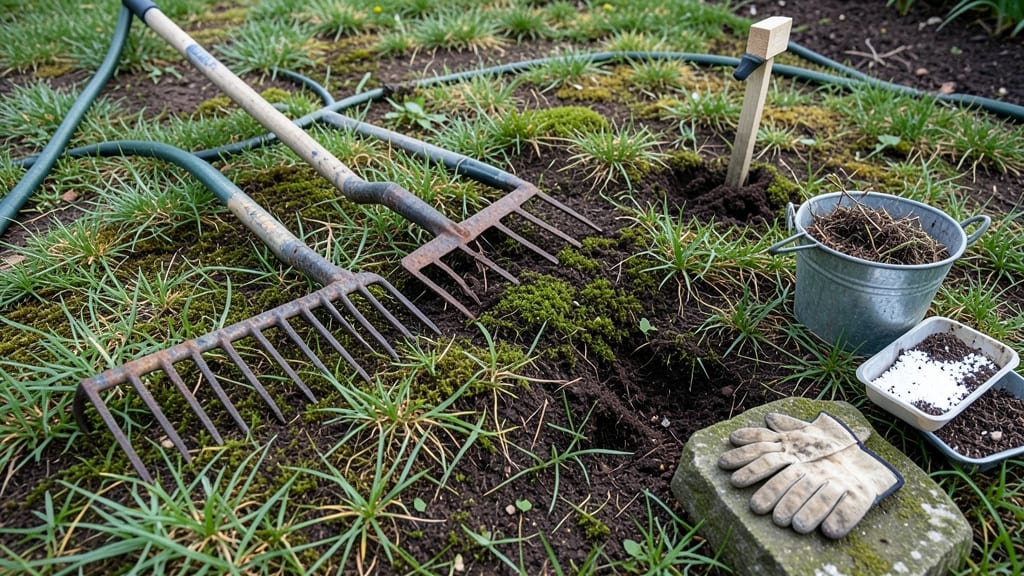
That spongy, gray carpet removing moss from the grass lawn? ✨ A vinegar-based formula can banish it in 24 hours—no harsh chemicals, no waiting weeks for results.
I’ve tested this exact mix on my own patchy lawn, and the difference is shocking: thick, green grass where moss once dominated.
The secret lies in three simple ingredients you likely have at home: undiluted white vinegar, dish soap, and water. No fancy tools needed—just a sprayer and a sunny afternoon.
The vinegar kills moss on contact while the soap helps break surface tension so it soaks in. By evening, the moss turns brown and crumbly, ready to rake away.
What you’re left with is lush, vibrant grass that recovers faster than you’d expect. The vinegar smell fades quickly, and within a week, new grass growth fills in the gaps. It’s not just about removing moss—it’s about giving your lawn a fresh start.
Works best in spring or fall when temperatures are mild, and your grass is actively growing. For larger lawns, break it into sections to avoid overwhelming yourself. Here’s the exact formula that transformed my yard from dull to showstopping green in a single day.
The Hidden Triggers Behind Moss
Moss thrives where grass struggles, turning your lawn into a patchy, spongy mess. But why does it take over in the first place? The answer lies in a mix of environmental conditions, soil health, and even your lawn care habits.
Understanding these root causes is the first step to reclaiming a lush, moss-free yard. Let’s break down the science behind why moss invades grass lawns—and how to fix it.
Moss isn’t just a pretty garden accent—it’s a water opportunist. Unlike grass, which needs well-draining soil to thrive, moss loves moisture. When your lawn sits in soggy conditions for extended periods, grass roots suffocate from lack of oxygen, while moss spores germinate and spread like wildfire.
- Why it happens: Compacted or clay-heavy soil repels water, creating puddles that linger.
Moss fills these damp pockets because its shallow root system can absorb moisture directly from the air and soil surface. - Actionable insight: If your yard floods after rain or feels spongy underfoot, drainage is likely the culprit.
Test your soil’s permeability by digging a small hole—if water pools instead of seeping away within 30 minutes, you’ve got a drainage problem.
Grass is a sun-worshipper. Most lawn grasses require 4–6 hours of direct sunlight daily to photosynthesize and grow. Moss, on the other hand, is a low-light specialist. It thrives in shaded areas where grass weakens and dies back, leaving bare patches for moss to colonize.
- Why it happens: Trees, fences, or buildings block sunlight, creating dark, humid microclimates.
Moss spores land on the cool, damp soil and outcompete grass for space. - Actionable insight: If your lawn has persistent moss in shady spots, consider shade-tolerant grasses (like fine fescue) or strategic pruning to let more light reach the ground.
A mix of sun-loving and shade-tolerant grasses can also help balance your lawn’s ecosystem.
Grass prefers a neutral to slightly alkaline soil pH (6.0–7.5), while moss flourishes in acidic conditions (pH 4.5–5.5). Over time, organic matter like fallen leaves, pine needles, or even certain fertilizers can lower your soil’s pH, creating the perfect moss buffet.
- Why it happens: - Decomposing organic matter (like leaves or mulch) releases acids that shift pH downward. - Overuse of ammonium-based fertilizers (common in quick-release lawn foods) can acidify soil. - Peat moss or pine bark in topsoil or compost can also drop pH levels. - Actionable insight: Test your soil’s pH with a DIY kit (available at garden centers).
If it’s below 6.0, apply lime (calcium carbonate) to raise the pH gradually. Aim for a target of 6.5–7.0 to discourage moss while keeping grass happy.
A thin, stressed lawn is an open invitation for moss. Compaction from foot traffic, heavy machinery, or even animal activity compresses soil, reducing oxygen and nutrient flow to grass roots. When grass can’t grow thickly, moss slips in to fill the gaps.
- Why it happens: - Foot traffic (kids, pets, or frequent walking) flattens soil, smothering grass. - Poor mowing habits (cutting too short or unevenly) weakens grass, making it vulnerable. - Lack of aeration prevents roots from accessing water and nutrients, leading to bare spots. - Actionable insight: Core aeration (removing small soil plugs to relieve compaction) in early fall or spring can revive grass.
Pair it with overseeding to thicken the lawn naturally. Also, adjust your mower height—never remove more than ⅓ of the grass blade in one session.
Moss doesn’t need much to survive—just moisture and shade—but grass demands nitrogen, phosphorus, and potassium to grow vigorously. If your lawn is nutrient-deficient, grass weakens, and moss moves in to dominate.
- Why it happens: - Poor fertilization (or skipping it entirely) starves grass of essential nutrients. - Excess thatch buildup (a dense layer of dead grass stems) blocks nutrients and water from reaching roots. - Improper watering (too little or too much) stresses grass, making it susceptible to moss. - Actionable insight: Conduct a soil test to identify deficiencies.
If nitrogen is low, use a slow-release fertilizer in early spring and fall. For thatch layers over ½ inch thick, dethatch your lawn in late spring or early summer to restore soil contact with grass roots.
If you live in a cooler, damp region (like the Pacific Northwest or UK), moss has a natural advantage. Grass grows slowly in these conditions, while moss spreads rapidly in the consistent moisture and mild temperatures of spring and fall.
- Why it happens: - Frequent rain keeps soil saturated, giving moss a head start. - Low summer temperatures slow grass growth, leaving gaps for moss to fill. - High humidity allows moss spores to stay airborne longer, increasing spread. - Actionable insight: If your climate is moss-friendly, focus on improving drainage and selecting cool-season grasses that tolerate moisture better.
In fall (moss’s peak growth season), apply a vinegar-based moss killer (like the one in our formula) to disrupt its life cycle before it takes over.
Moss doesn’t just appear—it’s often a symptom of ignored lawn maintenance. Skipping tasks like mowing, fertilizing, or aerating creates the perfect conditions for moss to move in.
- Why it happens: - Unmowed grass shades the soil, cooling it and encouraging moss. - No leaf cleanup leaves a thick layer of organic matter that acidifies soil. - Infrequent watering leads to patchy grass, inviting moss to fill the gaps. - Actionable insight: Consistency is key.
Stick to a seasonal lawn care schedule: - Spring: Aerate, overseed, and fertilize. - Summer: Water deeply but infrequently (1–1.5 inches per week). - Fall: Apply pre-emergent for weeds and a final round of fertilizer. - Winter: Rake leaves and debris to prevent thatch buildup.
Quick Fixes for Mossy Lawns
Moss may seem like an inevitable part of lawn care, but with the right approach, you can reclaim a lush, green yard in no time. Below, we’ve mapped out practical solutions for common causes of moss, paired with prevention tips to keep your grass thriving.
Whether your lawn is too shady, compacted, or simply neglected, these fixes will help you restore balance—without harsh chemicals.
Fix: Aerate and improve soil structure to let water and air flow freely.
- 🔥 Rent or Buy a Core Aerator - Rent a core aerator (or hire a lawn service) to pull small soil plugs from your lawn.
This relieves compaction and allows grass roots to breathe. - When to do it: Early morning or late afternoon on a damp (but not soggy) lawn.
- 🍳 Top-Dress with Organic Matter
- Spread a 1/4-inch layer of compost, sand, or peat moss over the aerated areas.
- Lightly rake it in to blend with the soil. This improves drainage and adds nutrients.
- 🌡️ Test Soil pH
- Moss thrives in acidic soil (pH 4.5–6.0). Test your soil with a DIY kit (available at garden centers).
- If pH is too low, apply lime (follow package instructions) to raise it to 6.0–7.0, the ideal range for grass.
✨ Prevention Tip:
- Overseed bare spots with a moss-resistant grass mix (like tall fescue or Kentucky bluegrass) to outcompete moss naturally.
- Aerate annually if your soil is heavy clay or gets heavy foot traffic.
Fix: Boost sunlight exposure or choose shade-tolerant grass.
- 👨🍳 Trim Overhanging Branches
- Prune trees or shrubs to let at least 4–6 hours of sunlight reach your lawn daily.
- Avoid aggressive pruning in late summer/fall, as new growth may not harden off before winter.
- 🌱 Plant Sun-Loving Grass in Shady Spots
- Replace moss with fine fescue or creeping red fescue, which tolerate shade better than Kentucky bluegrass.
- Overseed in early fall for best results.
- 🔪 Use a Vinegar-Based Moss Killer (Spot Treatment) - Mix 1 gallon of white vinegar + 1 cup dish soap + 20 drops essential oil (optional, like tea tree) in a spray bottle. - Spot-treat moss (avoid spraying grass directly) and let it dry.
Reapply if needed after 24 hours. - Why it works: Vinegar’s acidity kills moss without harming soil structure.
✨ Prevention Tip:
- Install reflective surfaces (like light-colored gravel or a small water feature) near shady areas to bounce sunlight onto the lawn.
- Mulch garden beds with wood chips to reduce moss spread from shaded edges.
Fix: Adjust your irrigation to favor grass over moss.
- ⏰ Water Deeply but Infrequently
- Water 1–1.5 inches per week, splitting into 2–3 sessions (e.g., 30 mins in the morning, 30 mins in the evening).
- Avoid daily light watering, which encourages moss growth.
- 🌡️ Improve Water Runoff
- Level low spots with sand or topsoil to prevent water pooling.
- Install a French drain or swales if your yard has chronic drainage issues.
- 🔄 Rake and Overseed
- After drying out mossy areas, rake away dead debris and overseed with a dense grass mix.
- Use a starter fertilizer to help new grass establish quickly.
✨ Prevention Tip:
- Install a smart sprinkler system with rain sensors to avoid overwatering.
- Check sprinkler heads monthly for leaks or misalignment.
Fix: Balance soil chemistry and feed your lawn properly.
- 📊 Conduct a Soil Test
- Send a sample to a local extension office for a full analysis. They’ll recommend lime, fertilizer, or sulfur based on your results.
- 💪 Apply a Slow-Release Fertilizer
- Use a balanced fertilizer (10-10-10 or 16-4-8) in early spring and fall.
- Avoid high-nitrogen fertilizers in summer, as they can stress grass in heat.
- 🌱 Spread Wood Ash (Sparingly)
- Lightly sprinkle wood ash (from untreated wood) to raise pH naturally.
- Caution: Use sparingly—too much can make soil too alkaline.
✨ Prevention Tip:
- Mulch leaves and grass clippings to return nutrients to the soil naturally.
- Avoid peat moss in top-dressing, as it can lower pH further.
If you’re short on time, this 24-hour vinegar spray targets moss without harming grass (used correctly): - Mix: 1 gallon white vinegar + 1 tbsp dish soap + 1 tbsp citric acid (optional, for extra potency). - Apply: Spray directly on moss on a dry, sunny day.
Reapply in 24 hours if needed. - Follow up: Rake away dead moss and overseed with grass.
⚠️ Safety Note: Test a small area first—some grasses may yellow temporarily.
Moss won’t disappear overnight, but by addressing the root cause (literally!) and preventing recurrence, your lawn will stay green and resilient. Start with one or two fixes this season, then build habits like regular aeration, proper watering, and overseeding to keep moss at bay.
💡 Pro Tip: Keep a lawn care journal to track what works—note soil tests, watering schedules, and grass response to treatments!
Frequently asked questions
Can I use vinegar to kill moss without harming my grass?
Yes, but with caution! The vinegar-based formula works best when applied directly to moss patches—avoid spraying healthy grass. For spot treatment, mix 1 gallon white vinegar + 1 tbsp dish soap and apply on a dry, sunny day. The acidity kills moss while the soap helps it cling to leaves. Grass may yellow temporarily but recovers within a week. Always test a small area first.
How often should I apply moss killer for best results?
For vinegar-based solutions, one application is usually enough to kill existing moss in 24 hours. However, if moss persists, reapply after 7–10 days. For preventive maintenance, treat moss in early spring and fall—its peak growth seasons. Focus on problem areas rather than the entire lawn to save time and effort.
Why does moss keep coming back even after I remove it?
Moss returns because it’s addressing an underlying issue—like poor drainage, shade, or compacted soil. After removing moss, aerate your lawn, overseed with dense grass, and improve sunlight exposure. If your yard stays damp, install a French drain or level low spots. Moss thrives where grass struggles, so fixing these conditions prevents regrowth.
Is it better to rake moss or leave it to dry out?
Raking is more effective! After applying a vinegar-based killer, wait 24–48 hours until moss turns brown and crumbly, then rake it away completely. Leaving dead moss can smother grass and create a breeding ground for new spores. For large areas, use a lawn rake or dethatching tool to remove debris thoroughly.
Can I use commercial moss killers instead of vinegar?
Yes, but read labels carefully! Commercial moss killers (like iron-based or quaternary ammonium compounds) work faster but may harm grass if overused. Iron sulfate is a popular, eco-friendly option that turns moss brown in 24–48 hours. Vinegar is a budget-friendly, natural alternative with no harsh chemicals. Test any product on a small area first to check for grass sensitivity.