
Landscaping
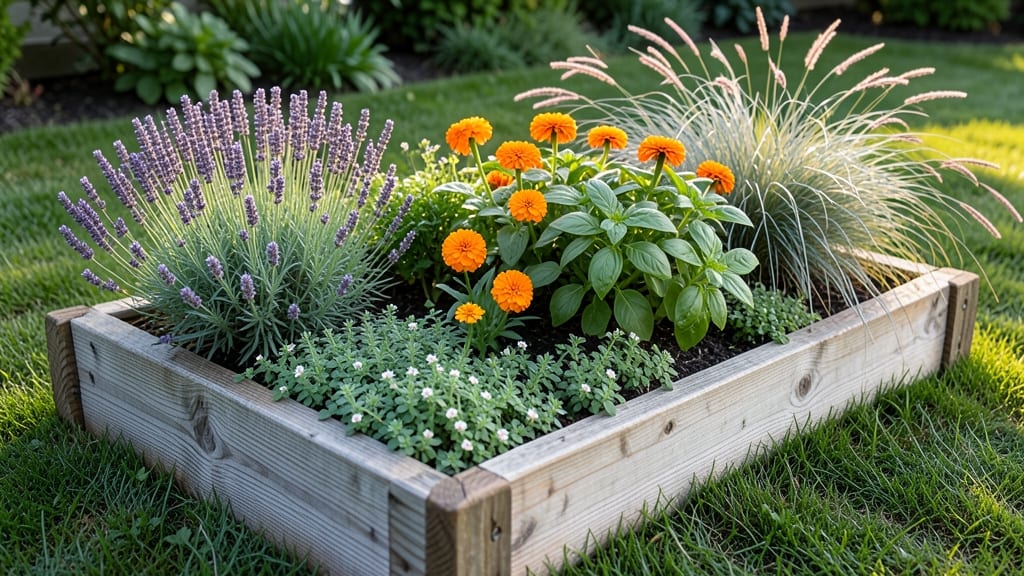
My lawn now doubles as a thriving garden without a single patch of grass sacrificed. 🌱 Raised beds on lawns let you grow vegetables, flowers, or herbs without the backbreaking work of removing sod—just set them down and fill with rich soil.
The best part? You can place them anywhere your lawn gets at least 6 hours of sun, even in tight spaces or alongside pathways.
The secret to making this work lies in elevated frames (cedar or composite lumber lasts longest) and a perforated base to prevent waterlogging.
No need for fancy drainage systems—just a few inches of gravel or landscape fabric under the bed keeps roots happy while letting excess water drain into the lawn below. I’ve seen neighbors struggle with soggy beds, but this method keeps everything dry and productive.
By summer’s end, you’ll have a lush, high-yield garden that blends seamlessly with your yard—no more clashing with the grass. The frames can even double as planters for seasonal flowers, creating a cohesive look. Plus, weeds stay contained, and you’ll save hours on tilling or amending soil.
Whether you’re a beginner or a seasoned gardener, this setup works for any lawn size—from small urban plots to sprawling backyards. The key is starting small, testing your soil, and letting the plants do the rest. Ready to turn that lawn into a garden oasis?
📚 In This Guide
- What you need
- Instructions
- Tips and common mistakes
- Wrapping up and next steps
What you need
- ● Raised bed frame: Untreated lumber (cedar, redwood, or pine) – 4x8 ft or custom size (e.g., 2x8 ft or 4x4 ft). Recommended dimensions: 2–4 ft wide (for easy access) x 6–8 ft long x 12–18 inches deep.
- ● 8–12 corner brackets or screws (galvanized or deck screws, 2.5–3 inches long).
- ● Landscape fabric or cardboard: 1–2 sheets (to block weeds and grass growth).
- ● Quality soil mix: 1–2 cubic yards (compost, topsoil, and perlite/sand blend for drainage).
- ○ Gravel or landscape stones: 1–2 bags (50 lbs each) (optional but recommended for drainage layer).
- ● Measuring tape and pencil
- ● Circular saw or handsaw (for cutting lumber)
- ● Drill/driver + drill bits
- ● Level (to ensure your bed is even!)
- ● Staple gun (for securing landscape fabric)
- ● Wheelbarrow or shovel (for moving soil)
- ● Work gloves and safety glasses
- ● Pre-cut lumber kits: Save time with pre-assembled raised bed frames.
- ● Edging stones or bricks: For a polished look (e.g., 4–6 bricks per side).
- ● Drip irrigation kit: Automate watering with 10–20 ft of tubing.
- ● Mulch: 1–2 bags (straw or wood chips) to retain moisture.
Step-by-Step instructions for building raised beds on lawn
Here's how to create elevated garden beds without disturbing a single blade of grass.
🪴 Step 1: Mark and Measure Your Bed Layout
Use a garden hose or spray paint to outline your bed where you want it—typically 4 feet wide (so you can reach the center) and 8 feet long (or your preferred dimensions). I like to place beds along the lawn's edge for easy access. Measure carefully—once the frame is up, moving it becomes a chore.
Check for underground utilities with a metal detector before digging any test holes. If you're unsure, call your local utility locator service. A small investment now prevents a costly mistake later. For a 4' x 8' bed, you'll need about 12 cubic feet of soil mix—that's roughly 3 cubic feet per person for a 4-person project.
🌱 Step 2: Build the Frame on the Lawn Surface
Assemble your raised bed frame directly on the lawn—no digging required. I use 6-inch tall cedar boards because they resist rot and last years longer than cheaper wood. Cut boards to size first: four 8-foot lengths for the perimeter (if building a 4' x 8' bed) and four 4-foot lengths for the cross supports.
Use galvanized screws to connect corners at 45-degree angles for extra stability. Space cross supports every 2 feet along the length to prevent warping. Leave a 2-inch gap between the frame bottom and lawn—this allows grass to grow underneath and prevents soil compaction.
💧 Step 3: Fill with Soil and Amendments
Start with a 2-inch layer of cardboard inside the frame to block weeds. Wet it down so it stays in place. Next, add 6 inches of high-quality garden soil mixed with 2 inches of compost. I like to blend in a handful of slow-release fertilizer here—it feeds plants for months without burning roots.
Top with another 2 inches of compost and mix everything lightly with a garden fork. The soil should look dark and crumbly, like a rich cake batter. Avoid garden soil from your yard—it's usually too dense and compacted. For a 4' x 8' bed, you'll need about 1.5 cubic yards of soil mix total.
☀️ Step 4: Plant and Maintain Without Disturbing Grass
Plant directly into the raised bed's soil—no need to disturb the lawn underneath. I start with perennial herbs like thyme and oregano along the edges since they spread slowly. For vegetables, place seeds or transplants 12-18 inches apart depending on the plant's mature size.
Water only the raised bed—never let runoff spill onto the lawn. Use a soaker hose buried 1 inch deep in the soil to deliver moisture evenly. The elevated bed drains faster, so check moisture daily during dry spells. You'll notice plants thrive without competing with grass roots for nutrients.
✂️ Step 5: Extend the Bed's Lifespan
Add 1-2 inches of fresh compost each spring to replenish nutrients. I top-dress with mulch around the bed's edges to keep grass from creeping in. If the frame ever sags, reinforce corners with additional screws or metal brackets—wood settles over time.
Every 3-4 years, replace the top 6 inches of soil with fresh mix. This keeps your bed productive without ever needing to dig into the lawn. The grass underneath stays undisturbed, and your garden keeps growing beautifully above.
Tips & tricks for perfect raised beds on lawn
These practical insights will help you build a sturdy, long-lasting raised bed that keeps your lawn intact while maximizing your garden's potential.
Location Matters: Place your raised bed along the lawn's edge or near a fence for easy access and to prevent accidental mowing. I've learned the hard way—positioning beds in the middle of the lawn makes them a mower magnet! Also, avoid areas where kids or pets play frequently to prevent accidental damage to the frame.
Material Selection: Cedar is my go-to wood because it naturally resists rot and insects, lasting up to 15 years with proper care. If cedar isn't available, redwood or pressure-treated lumber are good alternatives. Avoid untreated pine—it'll warp and rot within a few seasons. For the 6-inch height mentioned in Step 2, consider adding removable sides if you want to expand the bed's lifespan by replacing only the top layer of wood every few years.
Weed Barrier Hack: That 2-inch layer of cardboard in Step 3 works wonders, but for extra weed prevention, use thick newspaper instead—it breaks down faster and provides even better suppression. Just make sure to remove any glossy or colored paper first, as these contain chemicals that can harm plants. Wet the cardboard/newspaper thoroughly before adding soil to keep it in place.
Soil Mix Strategy: For the 6 inches of high-quality garden soil and 4 inches of compost in Step 3, I recommend buying pre-mixed raised bed soil from garden centers. It's already balanced with the right nutrients and texture. If you're mixing your own, combine equal parts garden soil, compost, and perlite or vermiculite for perfect drainage. The 1.5 cubic yards needed for a 4' x 8' bed might seem like a lot, but remember—this is your plant's home for years to come!
Pro Tips for Raised Bed On Lawn
- These practical insights will help you build a sturdy, long-lasting raised bed that keeps your lawn intact while maximizing your garden's potential.
- Location Matters: Place your raised bed along the lawn's edge or near a fence for easy access and to prevent accidental mowing.
- Material Selection: Cedar is my go-to wood because it naturally resists rot and insects, lasting up to 15 years with proper care.
Frequently asked questions
Can I put a raised bed directly on grass without removing it?
Yes! You can build raised beds directly on grass—no need for full removal. Just lay down cardboard or landscape fabric first to smother weeds and prevent grass growth. Over time, the grass will decompose, enriching your soil naturally.
When is the best time to install a raised bed on grass?
Spring or early fall are ideal! Avoid extreme heat or frost, which can stress plants. If installing in summer, water deeply afterward to help roots establish. For fall, aim for 6-8 weeks before first frost to give plants time to settle.
Are there cheaper alternatives to traditional wood raised beds?
Try cinder blocks, bricks, or even repurposed pallets for edges. For soil, mix compost, topsoil, and yard waste (like grass clippings) to cut costs. Just ensure proper drainage—no soggy roots!
How do I keep pests out of my raised bed on grass?
Use hardware cloth or chicken wire at the bottom to block burrowing pests. Add companion plants like marigolds or basil to deter insects naturally. Mulch with straw or wood chips to discourage weeds and pests.
Will a raised bed on grass survive winter?
Yes, but add 3-4 inches of straw or leaves as mulch to insulate roots. Avoid heavy snow buildup on the bed. In spring, remove mulch and refresh soil with compost. Cold-hardy crops like kale or spinach thrive in raised beds year-round!
Wrapping up and next steps
Transforming your lawn into a thriving raised bed garden is simpler—and more rewarding—than you might think! With the right materials, a little planning, and a dash of creativity, you can grow lush vegetables, fragrant herbs, or vibrant flowers without sacrificing your grass.
Whether you’re a seasoned gardener or a beginner, this elevated approach saves time, improves drainage, and keeps weeds at bay.
Ready to get started? Roll up your sleeves, grab your tools, and take the first step today! 🌱 Start small with one bed, then expand your green space as your confidence (and harvest) grows. Happy gardening!