
Lawn
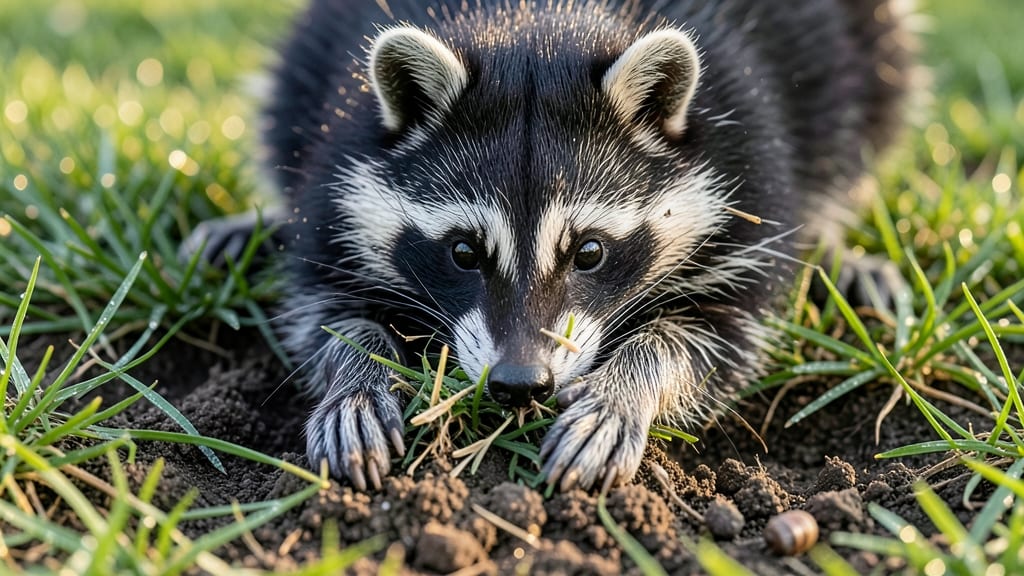
Raccoons tearing up lawns isn’t just frustrating—it’s a fast way to turn your yard into a muddy mess overnight. 🌱 I’ve spent too many mornings finding upturned soil, scattered seeds, and half-eaten bulbs, and I finally cracked the code on stopping them without harming these clever but destructive critters.
The key is understanding what draws them in: loose soil, easy access to food, and the cover of darkness. Raccoons aren’t picky—they’ll dig up flower beds, chew through mulch, and even raid compost piles if given half a chance.
The good news? A few simple adjustments—like securing trash cans, reinforcing fencing, and using humane traps—can make your yard less appealing faster than you think.
Within a week of implementing these fixes, you’ll see the damage slow down dramatically. The soil stays intact, young plants get to grow undisturbed, and your lawn stops looking like a raccoon’s playground.
The best part? These solutions work without chemicals or cruelty, so you’re protecting both your garden and the wildlife.
Whether you’re dealing with a first-time visitor or a repeat offender, the same strategies apply. Start with the easiest fixes—like removing food sources—and escalate only if needed. Your yard (and your sanity) will thank you.
Root Causes Of Lawn Destruction
Raccoons don’t just dig random holes—they’re driven by instinct, survival needs, and environmental cues. Understanding why they tear up lawns is the first step to stopping the damage. Below, we break down the key triggers, backed by science and wildlife behavior.
Raccoons are omnivorous opportunists, meaning they’ll eat almost anything—especially if it’s easy to find. Your lawn might be a buffet if:
- Grubs and insects lurk beneath the surface.
- Pet food or fallen fruit is left uncovered.
- Compost piles or trash cans are accessible.
Raccoons have highly dexterous front paws (almost like human hands) and use them to flip over rocks, dig, and pry open containers. Studies show they can detect buried grubs up to 6 inches deep using their keen sense of smell and touch.
If your lawn is soft or recently watered, it becomes even easier for them to dig.
Actionable insight: If you’ve noticed fresh mounds of dirt or chewed-up vegetation, grubs are likely the culprit. Try a grub control treatment in early spring or fall to deter them.
Raccoons are solitary but territorial animals, and they often choose lawns—especially near sheds, decks, or dense shrubbery—as nesting sites. Here’s why:
- Soft, loose soil makes ideal digging spots for dens.
- Proximity to water sources (like garden hoses or birdbaths) is a major attractant.
- Human activity can trigger defensive digging—if they feel threatened, they’ll claw and tear up the ground.
Female raccoons (sows) are particularly protective of their kits (babies) and may aggressively defend a nesting area by creating deep, messy holes. Male raccoons (boars) also mark territory by overturning objects and digging scent posts.
Actionable insight: If you spot large, shallow depressions near structures, it’s likely a nesting site. Avoid disturbing the area until the raccoons move on (usually by late summer).
Raccoons are nocturnal, meaning they’re most active after dark. This makes them harder to spot—but their damage is very visible in the morning. Their foraging behavior explains why they target lawns:
- Moonlight and artificial lights attract insects, which in turn draw raccoons.
- Lawns with recent aeration or seed planting are prime targets because the soil is loose.
- Pet food left outside (even a few kibbles) can trigger a full-blown raid.
A 2019 study in Urban Wildlife Journal found that raccoons prefer areas with minimal human disturbance—so if your yard is quiet and dimly lit at night, it’s an open invitation. They also cache food (bury it for later), which can lead to repeated digging in the same spots.
Actionable insight: Secure trash cans with bungee cords, remove pet bowls at night, and consider motion-activated lights to discourage late-night visitors.
Raccoons are highly intelligent—ranking among the smartest mammals. Their curiosity often leads them to investigate new objects or textures, including:
- Freshly laid mulch or topsoil (they’ll paw at it to explore).
- Garden hoses or sprinkler heads (they may chew on them out of curiosity).
- Unsecured trash or recycling bins (they’ll flip lids to see what’s inside).
This behavior isn’t just random—it’s a survival tactic. In the wild, raccoons must constantly assess their environment for threats and resources. When they encounter a new or unfamiliar texture (like a freshly tilled lawn), they’ll dig and manipulate it to understand it better.
Actionable insight: If your lawn has shallow, scattered holes with no obvious food source, curiosity is likely the cause. Try covering vulnerable areas with hardware cloth or scattering coarse gravel (raccoons dislike the texture).
Stop Raccoons from Ruining Your Yard
Now that you understand why raccoons are turning your lawn into their personal playground, it’s time to take action. The good news? Most solutions are humane, effective, and easy to implement—without resorting to harmful traps or chemicals.
Below, we’ll break down the best fixes based on the root cause of the problem, plus prevention tips to keep your yard raccoon-free long-term.
---
If raccoons are already tearing up your lawn, grass, or garden beds, you’ll need a two-pronged approach: deter them immediately and remove the temptation that drew them in.
#### 🔥 Secure Food Sources (The #1 Attractor) Raccoons are opportunistic scavengers, and even small, forgotten food scraps can lure them into your yard. A single unsecured trash can or pet food bowl is all it takes.
- 🍳 Use raccoon-proof trash cans with locking lids (look for models labeled "bear-resistant" or "raccoon-proof"). - 👨🍳 Store trash inside your garage or shed until pickup day—especially on weekends and holidays when raccoons are more active. - 🥘 Remove fallen fruit, pet food, or compost piles—even small amounts can attract them. - 🔪 Check for gaps in fences or sheds—raccoons can squeeze through spaces as small as 6 inches (use hardware cloth, not chicken wire, to block entry).
> 💡 Pro Tip: If you have a compost bin, switch to a sealed, enclosed compost tumbler or bury food waste in a deep hole instead of leaving it exposed.
---
Raccoons rely on sight and smell, so making your yard unappealing (and uncomfortable) will encourage them to move on.
#### 🌡️ Use Strong Scents They Hate Raccoons despise certain smells, and a few strategic placements can work wonders: - 🧴 Spray hot peppers or cayenne pepper around garden edges, trash cans, and entry points. - 🍋 Place citrus peels or coffee grounds near problem areas—they dislike these smells. - 🧂 Sprinkle mothballs (sparingly)—though controversial, they’re a short-term deterrent (use only a few to avoid harming pets or wildlife).
> ⚠️ Warning: Avoid poison or toxic baits—they can harm pets, children, and other wildlife.
#### 🎯 Motion-Activated Deterrents Raccoons are nocturnal and curious, so sudden movements or loud noises can scare them off: - 🔊 Install motion-activated sprinklers (like ScareCrow)—the surprise water spray startles them away. - 🎶 Use a radio or outdoor speaker playing loud, unpredictable noises (like a dog barking or a car alarm) at night. - 🕯️ Set up reflective tape or old CDs near entry points—they dislike the flashing light.
---
If raccoons are digging up grass or roots, they’re likely searching for grubs, larvae, or buried food. Make your yard less inviting by:
#### 🔪 Remove Their Food Sources - 🐛 Treat lawn grubs with beneficial nematodes (organic) or milky spore to eliminate their food supply. - 🌱 Rake up loose mulch or soil where they’ve been digging—this removes hiding spots and food. - 🌿 Plant raccoon-resistant ground covers like clover, creeping thyme, or ornamental grasses—they’re harder to dig up.
#### 🏗️ Install Physical Barriers - 🛡️ Cover vulnerable areas (garden beds, flower pots) with hardware cloth (¼-inch mesh). - 🪟 Secure low-hanging tree branches—raccoons use them to climb into attics or sheds. - 🚪 Check for gaps in decks, porches, or crawl spaces—seal them with steel wool and caulk to block entry.
---
If raccoons are frequent visitors and other methods fail, live trapping may be necessary. But do it right! ✅ Use a humane box trap (like the Have-A-Heart trap) with peanut butter or marshmallows as bait. ✅ Check traps daily—never leave them unattended. ✅ Relocate them legally and ethically—contact a wildlife rehabilitator or check local laws (some states ban relocation without a permit). ✅ Release them at least 5-10 miles away in a wooded, rural area—never in a park or another neighborhood.
> 🎯 Pro Tip: If you trap one, set a second trap—raccoons often work in pairs!
---
Once you’ve removed the attraction, keep raccoons away for good with these low-maintenance strategies:
| Problem | Solution | Effort Level | |---------------------------|---------------------------------------|------------------| | Trash access | Use bear-proof bins + garage storage | ⭐⭐ (Easy) | | Pet food left out | Feed pets indoors or use automatic feeders | ⭐ (Easy) | | Grubs in lawn | Apply nematodes or milky spore | ⭐⭐ (Moderate) | | Overgrown bushes | Trim vegetation near the house | ⭐ (Easy) | | Unsecured compost | Use a sealed tumbler or bury waste | ⭐⭐ (Moderate) | | Attic or shed access | Install chimney caps and door sweeps | ⭐⭐⭐ (Hard) |
--- Raccoons are smart and persistent, so one fix won’t last forever. Combine methods (secure trash + deterrents + habitat changes) for the best results. With patience, your lawn will recover, and those masked bandits will find a new neighborhood to terrorize—not yours!** 🚫🐾
Frequently asked questions
Why do raccoons dig up lawns at night?
Raccoons are nocturnal scavengers searching for grubs, insects, or buried food—your lawn becomes their buffet when soil is loose or watered. Their dexterous paws let them flip turf like pancakes! Plus, they’re curious and may investigate new textures or scents.
How can I tell if raccoons are the culprits?
Look for irregular holes (not clean circles like moles), scattered debris, or chewed vegetation. Tracks with five toes (including a thumb-like paw) confirm it’s raccoons. Check for overturned trash cans or disturbed compost piles too!
Will mothballs really keep raccoons away?
Mothballs (naphthalene) can deter raccoons temporarily, but use them sparingly—they’re toxic to pets and wildlife. Better options: pepper spray or coffee grounds. For long-term results, combine scent deterrents with physical barriers like hardware cloth.
Can I use humane traps myself?
Yes! A box trap with peanut butter bait works well, but check daily and relocate legally (at least 5-10 miles away in rural areas). Never use snares or lethal traps—they’re inhumane and often illegal. Contact a wildlife rehabilitator if you’re unsure how to handle captured raccoons.
How long until my lawn recovers after raccoon damage?
With grub control and seed resowing, lawns typically recover in 4-6 weeks. Rake holes to level soil, add compost, and water lightly. For severe damage, overseed with fast-growing grass like ryegrass. Patience is key—raccoons won’t return if you’ve removed their food sources!