
Lawn
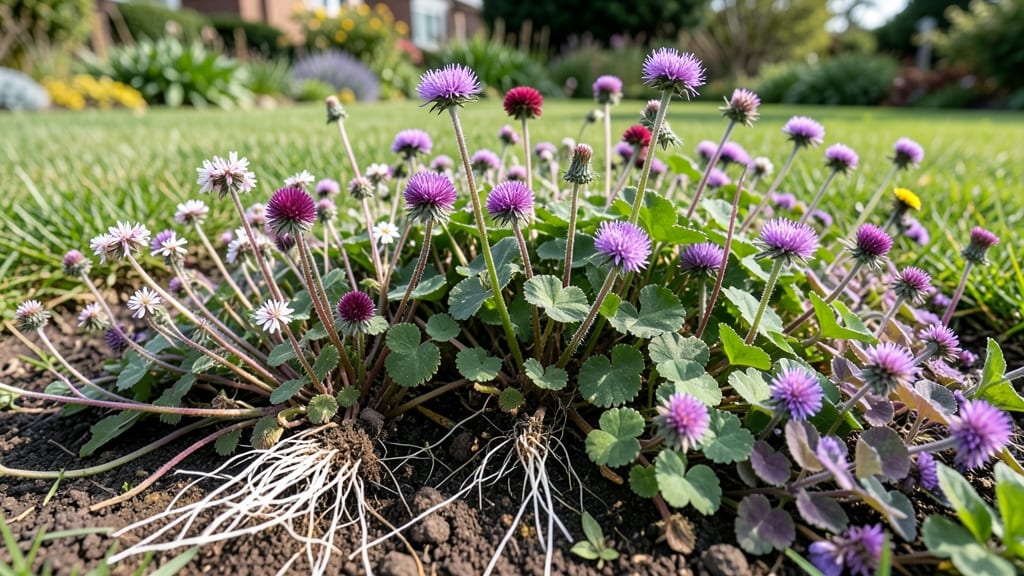
Those stubborn purple weeds growing in the lawn? 🌱 I’ve spent hours pulling them only to see them back in a week—and I know the frustration. The good news?
Most purple weeds are easy to spot once you know what to look for, and removing them doesn’t require harsh chemicals if you act fast.
Common culprits include chickweed, henbit, and purple deadnettle, all of which thrive in cool weather and thin grass. The key to stopping them is a mix of proper lawn care, targeted removal, and preventing regrowth.
I’ll walk you through the simplest methods to clear them out for good, whether you prefer hand-pulling or spot treatments.
By the end, your lawn will look thicker, greener, and—most importantly—weed-free. No more purple surprises popping up after mowing. The secret? Consistency in watering, mowing at the right height, and a little elbow grease when needed.
Works for any lawn type, from shady patches to sunny backyards. Let’s get those weeds gone for good—without breaking the bank or the back.
Why it happens
If your lawn is suddenly dotted with vibrant purple weeds, don’t panic—it’s not your imagination or a mysterious curse. These uninvited guests thrive due to specific environmental and lawn-care factors. Understanding why they appear is the first step to reclaiming your green space.
Below, we break down the science-backed reasons behind their persistence, so you can tackle the issue at its source.
Purple weeds like henbit or chickweed often pop up when your soil lacks balance. These weeds are opportunistic, meaning they exploit weak spots in your lawn’s ecosystem. Here’s how it happens:
- Compacted Soil: Heavy foot traffic, machinery, or clay-heavy soil compresses the ground, reducing oxygen and nutrient flow to grass roots. Weeds, with their shallow root systems, thrive in these low-competition zones.
- Low Organic Matter: Soil rich in organic material (like decomposed leaves or compost) supports healthy grass. When organic matter is scarce, weeds fill the gap, as they require fewer resources to grow.
- Imbalanced pH Levels: Purple weeds often favor slightly acidic to neutral soil (pH 6.0–7.0). If your lawn’s pH drifts too high (alkaline) or too low (acidic), grass struggles, while weeds like purple deadnettle take over.
Actionable Fix: Test your soil’s pH and organic content (kits are affordable and easy to use). Amend compacted areas with compost or gypsum, and aerate annually to improve root health.
Watering habits play a huge role in weed proliferation. Purple weeds, including creeping charlie (a relative of purple weed), love moisture but can’t handle soggy conditions—yet they’re resilient enough to survive inconsistent watering. Here’s the breakdown:
- Excessive Moisture: Overwatering weakens grass by suffocating roots and promoting fungal diseases. Weeds like henbit germinate quickly in damp soil, especially in fall and spring.
- Drought Stress Followed by Sudden Water:** When grass is parched and then suddenly hydrated, it struggles to recover, creating gaps where weeds move in. Purple weeds are early colonizers in these disturbed areas.
- Poor Drainage: Low spots or clay soil that holds water for days create ideal conditions for moisture-loving weeds. Stagnant water also attracts insects that spread weed seeds.
Actionable Fix: Water deeply but infrequently (1–1.5 inches per week, including rain). Improve drainage with sand or organic matter, and avoid watering in the evening to prevent fungal growth.
Purple weeds often signal an imbalance in your lawn’s light exposure. While some thrive in full sun, others dominate shady or overly sunny patches. The mismatch stresses grass, leaving room for weeds:
- Overly Shady Lawns: Grass like fescue tolerates shade, but thick canopies (from trees or tall grass) block sunlight, slowing growth. Weeds like ground ivy (a purple-hued variety) spread aggressively in these low-light zones.
- Intense Sun Exposure: In hot, dry climates, grass goes dormant, creating bare spots. Purple weeds like mallow or purslane germinate quickly in these sunbaked areas.
- Uneven Light Distribution: Partial shade (e.g., from a single tree) creates microclimates where weeds outcompete grass for sunlight.
Actionable Fix: Thin out overgrown trees or shrubs to improve light penetration. For sunny lawns, choose drought-resistant grass varieties. In shady areas, overseed with shade-tolerant grasses like fine fescue.
Fertilizer isn’t just about feeding grass—it’s about balancing nutrients. Purple weeds exploit lawns that are either starved or overfed:
- Nitrogen Deficiency: Grass needs nitrogen to stay lush. Without it, weeds like chickweed (which fixes nitrogen from the air) gain an edge, growing rapidly in nutrient-poor soil.
- Phosphorus Overload: Excess phosphorus (common in synthetic fertilizers) encourages weed seeds to germinate. Purple weeds often respond quickly to high-phosphorus conditions.
- Micronutrient Imbalances: Lack of iron, zinc, or manganese weakens grass, while weeds tolerate these deficiencies better.
Actionable Fix: Conduct a soil test to identify deficiencies. Use a slow-release, organic fertilizer with a balanced NPK ratio (e.g., 10-10-10). Avoid over-fertilizing—more isn’t always better!
Purple weeds don’t just magically appear—they hitchhike into your lawn via natural and human-caused vectors:
- Wind Dispersal: Lightweight seeds (like those from henbit) travel easily on breezes, landing in thin or disturbed soil.
- Animal Activity: Birds, squirrels, and even pets carry weed seeds on their fur or drop them in manure. Purple deadnettle often spreads this way.
- Human Actions: Mowing, walking, or using contaminated soil/manure can spread seeds. Even store-bought mulch sometimes contains weed seeds!
Actionable Fix: Remove weeds before they seed (pull or mow early). Keep pets off lawns where weeds are present, and inspect new soil or mulch for contaminants.
Pro Tip: 💡 Combine these fixes for best results! For example, aerate compacted soil (fixing #1) while adjusting your watering schedule (fixing #2). Purple weeds won’t stand a chance against a healthy, well-maintained lawn.
How to Fix Purple Weeds Fast
If purple weeds have invaded your lawn, don’t panic—there are practical, step-by-step solutions to reclaim your grass. The right approach depends on the type of weed and the cause of its spread.
Below, we map common culprits to targeted fixes, plus prevention tips to keep your lawn lush and weed-free. Let’s tackle this together!
Before grabbing chemicals or tools, pinpoint the weed type (see our identification guide) and the underlying issue. Here’s how to match the problem to the perfect fix:
🌱 1. Thin or Patchy Grass → Purple Nutsedge or Clover
Why it happens: Weak grass invites weeds by leaving gaps for sunlight and nutrients. How to fix it:
- 🔪 Reseed bare spots: Rake out weeds, loosen soil, and sow fresh grass seed. Use a mix matched to your climate (e.g., Kentucky bluegrass for cool regions, Bermuda for heat). Water lightly daily for 2–3 weeks.
- 💡 Boost grass health: Apply a slow-release, high-nitrogen fertilizer (like 24-4-8) in early spring or fall. Avoid over-fertilizing—it burns grass and feeds weeds!
- 🌡️ Adjust watering: Deep water 1–2 times per week (1 inch total) instead of daily shallow sprinkles. Purple weeds like clover thrive in damp soil.
🍳 2. Compacted Soil → Chickweed or Henbit
Why it happens: Heavy foot traffic or clay soil smothers grass roots, creating weed-friendly conditions. How to fix it:
- 👨🍳 Aerate aggressively: Rent a core aerator (or hire a pro) to pull 3–4 inch plugs from your lawn in spring or fall. This relieves compaction and helps grass roots grow deeper.
- 🌱 Top-dress with sand/compost: Spread a ¼-inch layer of coarse sand or compost over aerated areas. This improves drainage and crowds out weeds.
- ⏰ Overseed after aerating: Sprinkle grass seed over the treated area and keep it moist until germination.
🔪 3. Poor Drainage → Creeping Charlie or Moss
Why it happens: Waterlogged soil suffocates grass and encourages purple-hued weeds like creeping Charlie. How to fix it:
- 🌧️ Improve drainage:
- Test your soil’s pH (ideal: 6.0–7.0). If acidic (<6.0), apply lime.
- For low spots, add sand or organic matter (like peat moss) to raise the grade.
- 💡 Choose drought-tolerant grass: Switch to tall fescue or fine fescue, which handle moisture better than Kentucky bluegrass.
- 🌿 Smother creeping Charlie: Lay cardboard or thick mulch over infested areas, then reseed. Avoid herbicides—they can harm nearby grass.
🍄 4. High-Nitrogen Soil → Dandelions or Broadleaf Weeds
Why it happens: Over-fertilizing or manure-rich soil creates a buffet for weeds like dandelions. How to fix it:
- 📉 Cut back on nitrogen: Switch to a balanced fertilizer (like 10-10-10) or use organic options (e.g., composted manure, bone meal).
- 🌱 Hand-pull weeds: Grasp dandelions at the root (use gloves!) and dispose of them in the trash (not compost—they’ll regrow).
- 🔥 Spot-treat with vinegar: Mix 1 gallon white vinegar + 1 oz. dish soap in a spray bottle. Target weeds on sunny days (kills grass too, so use carefully).
🌡️ 5. Heat/Shade Stress → Spurge or Wild Violet
Why it happens: Shady or hot lawns weaken grass, letting weeds like purple spurge take over. How to fix it:
- 🌳 Prune trees/shrubs: Trim branches to let 4–6 hours of sunlight reach your lawn. Aim for shade-tolerant grass like fine fescue if full sun isn’t an option.
- 💡 Mulch heavily: Apply 3–4 inches of wood chips around tree bases to block weed seeds from sprouting.
- 🔥 Solarize stubborn weeds: Cover infested areas with clear plastic for 4–6 weeks in summer. The sun’s heat will kill weeds and seeds.
Once your lawn is weed-free, lock it in with these habits:
- 🎯 Mow high: Set your lawnmower to 3–4 inches—taller grass shades out weeds and develops deeper roots.
- 🌡️ Water deeply, infrequently: 1–2 times per week (early morning) encourages grass roots to grow down, outcompeting weeds.
- 💡 Test soil yearly: Use a DIY soil test kit ($10–$20) to check pH and nutrients. Adjust with lime or sulfur as needed.
- 🌱 Overseed thin areas: Do this in early fall for best results. Aim for 5–10 lbs of seed per 1,000 sq ft.
- 🚫 Avoid herbicide shortcuts: Pre-emergent herbicides (like preen) can prevent weeds but may harm new grass seed. Use post-emergent sparingly.
Pro Tip: 🔥 Timing is everything! Most weeds germinate in spring and fall. Stay ahead by treating them before they spread—don’t wait until your lawn looks like a purple carpet!
Frequently asked questions
Why do purple weeds seem to spread so fast in my lawn?
Purple weeds like henbit or chickweed spread quickly because they produce thousands of tiny seeds that germinate in cool, moist conditions. They also thrive in compacted soil where grass struggles, giving them an advantage. The key is to remove them before they seed—pull them when soil is damp for easier extraction.
Are all purple weeds toxic to pets or children?
Most common purple weeds (like henbit or purple deadnettle) aren't toxic, but some—such as creeping Charlie—can cause skin irritation if handled frequently. Always supervise pets and kids when pulling weeds, and wear gloves if you're sensitive to plant sap. The bigger concern is preventing them from spreading rather than toxicity.
Can I use vinegar to kill purple weeds without harming my grass?
Vinegar (1 gallon white vinegar + 1 oz dish soap) works well for spot-treating weeds, but it will also kill grass in the area. For best results, apply only to weeds on sunny days and avoid treating large patches. For grassy areas, use a targeted spray bottle and reapply every 3-5 days until the weeds die.
How often should I aerate my lawn to prevent purple weeds?
Aerate your lawn once a year in spring or fall to relieve compaction and reduce weed growth. For high-traffic areas, consider aerating twice yearly. Combine this with overseeding to crowd out weeds naturally. The goal is to create a thick, healthy grass carpet that outcompetes weeds for space and nutrients.
What's the best time of year to treat purple weeds?
Early spring (before weeds seed) and late fall (when weeds are actively growing but grass is still active) are ideal times to treat purple weeds. In warm climates, winter can also be effective. Avoid treating during extreme heat or drought, as stressed grass may not recover well from weed control efforts.