
Lawn
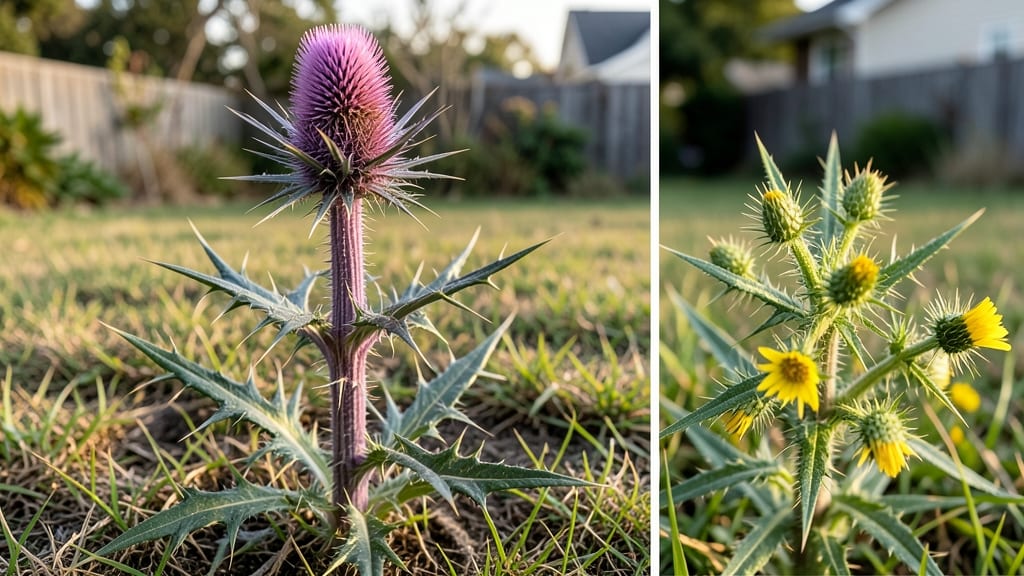
Those sharp, spiky weeds invading your lawn aren't just annoying—they're prickly pear weeds that multiply fast and ruin your mower blades. 🌱 I've battled them for years, and vinegar isn't just a kitchen staple—it's the secret weapon for natural weed removal that actually works.
The key is timing: treat weeds on a dry, sunny afternoon when they're actively growing. A simple mix of white vinegar, dish soap, and water breaks down their cell walls within hours. You'll see them wilt and disappear by the next mowing, leaving no stubborn roots behind.
This method is eco-friendly and safe for pets once dry, unlike harsh chemicals. Your lawn stays green while those spiky invaders vanish for good—no more stepping on painful surprises or tangled mower blades. Works for crabgrass, nutsedge, and chickweed too.
Here's the exact recipe and application steps that finally gave me back my smooth lawn.
The Hidden Triggers Inviting Weeds
Prickly weeds—like the invasive prickly pear cactus or spiny sowthistle—don’t just appear out of nowhere. They thrive because your lawn creates the perfect conditions for them. Understanding these triggers is the first step to stopping them before they take over.
A healthy lawn is a weed’s worst enemy. When your grass is thin, stressed, or struggling, it leaves gaps that weeds exploit like empty seats at a buffet. Here’s why it happens:
- Poor Soil Health: Compacted, nutrient-poor, or overly dry soil weakens grass roots, making them vulnerable.
Weeds like prickly pear have deep, aggressive root systems that outcompete shallow grass roots for water and nutrients. - Overwatering or Underwatering: - Overwatering creates soggy conditions, suffocating grass roots while encouraging weed seeds to germinate. - Underwatering stresses grass, turning it brown and brittle—perfect for weeds to move in. - Disease or Pest Damage: Fungal infections (like brown patch) or grubs munching on roots leave bare patches.
Prickly weeds love bare soil because it’s exposed to sunlight, their growth fuel.
💡 Pro Tip: Test your soil’s pH and nutrient levels (ideal lawn pH: 6.0–7.0). Amend with compost or a slow-release fertilizer to strengthen grass resilience.
Prickly weeds are sun-loving opportunists. If your lawn is in a hot, dry, or full-sun area, grass may struggle while weeds flourish. Why?
- Grass vs. Weed Tolerance:
- Most lawn grasses (like Kentucky bluegrass or fescue) wilt in extreme heat, creating weak spots.
- Prickly weeds (especially cacti varieties) have succulent stems that store water, making them drought-resistant.
- Over-Mowing or Scalping: Cutting grass too short (below 2–3 inches) exposes soil to sunlight, warming it and triggering weed seed germination.
- Poor Drainage in Sunny Spots: Clay-heavy soils hold heat, baking grass roots while weeds thrive in the warmth.
✨ Solution: Adjust mowing heights, water deeply in the early morning, and consider shade-tolerant grasses (like fine fescue) for sunnier patches.
Your mowing, fertilizing, and watering routine might be accidentally inviting weeds. Here’s how:
- Skipping Overseeding: If your lawn has bare or thinning spots, weeds fill the void.
Overseeding in early fall (when grass grows best) helps crowd out invaders. - Using the Wrong Fertilizer: - High-nitrogen, low-potassium fertilizers make grass grow fast but weak, leaving it prone to weeds. - Slow-release, balanced fertilizers (like 16-4-8) build root strength and disease resistance. - Ignoring Thatch Buildup: A thatch layer thicker than ½ inch blocks water and nutrients, choking grass while weeds slip through. Dethatch in early spring if needed.
🔥 Quick Fix: Mow high (3–4 inches), sharpen mower blades (dull blades tear grass, inviting disease), and water at the roots (1–1.5 inches per week).
Sometimes, well-intentioned lawn care backfires by creating weed-friendly conditions.
- Over-Tilling: Breaks up soil too aggressively, disturbing weed seeds buried deep (some stay dormant for years until tilled up).
- Harsh Herbicides: Non-selective weed killers (like glyphosate) can kill grass roots before weeds, leaving bare soil for prickly invaders.
- Salt or Chemical Burn: Over-salting driveways or using road salt runoff can sterilize soil, preventing grass recovery while weeds take over.
🎯 Prevention: Use selective herbicides (targeting broadleaf weeds) and hand-pull young weeds before they seed. For tilling, lightly aerate instead of deep-turning.
Weeds don’t just grow—they hitchhike into your lawn.
- Birds and Animals: Prickly pear fruits are loved by birds, who drop seeds everywhere.
Squirrels and rabbits also spread seeds via their fur. - Wind and Water: Lightweight prickly weed seeds (like spiny sowthistle) travel on breezes or floodwaters into cracks in driveways or sidewalks. - Contaminated Soil: New topsoil, mulch, or even garden tools can carry weed seeds.
Always sterilize tools with rubbing alcohol.
🚫 Stop the Spread: Remove weeds before they flower, use hard surfaces (like gravel) near bird feeders, and inspect new soil for seeds.
Some weeds time their takeover based on weather patterns.
- Drought Years: Prickly weeds outlast drought while grass dies off.
Even after rain returns, weeds may have already seeded. - Freeze-Thaw Cycles: Winter heaves (soil shifting from freezing/thawing) can expose buried weed seeds. - Unseasonal Rains: Sudden downpours wash away mulch, exposing soil and triggering mass germination.
🌡️ Adapt Your Routine: In drought-prone areas, water deeply but less often to encourage deep grass roots. In freeze-thaw zones, aerate in fall to prevent soil heaving.
Prickly weeds aren’t just a nuisance—they’re opportunists exploiting weak spots in your lawn’s defenses. The good news? Fixing the conditions (soil, water, mowing, and maintenance) crowds them out naturally. Start by identifying your lawn’s weak points—then attack the root causes (literally).
Natural Ways To Eradicate Stubborn Weeds
Prickly weeds—like those pesky prickly pear cacti or invasive broadleaf weeds—can turn your dreamy lawn into a spiky nightmare. But fear not! With the right approach, you can reclaim your green space without harsh chemicals.
Below are targeted solutions based on the root causes of weed infestations, from overwatering to poor soil health, plus prevention tips to keep them from creeping back.
Cause: Weeds like prickly pear thrive in sunny, dry spots where grass struggles. Fix:
- 🍳 Wait for the right moment – Pull weeds on a damp day (soil sticks to roots) or after rain.
- 👨🍳 Wear gloves & long sleeves – Prickly pear spines are no joke! Use thick gardening gloves.
- 🔪 Dig deep – Grab the base of the weed (including the taproot) to prevent regrowth.
- 🥘 Apply vinegar spray – Mix 1 gallon white vinegar + 1 cup salt + 1 tbsp dish soap in a spray bottle. Target leaves (avoid grass—vinegar kills everything!).
- ⏰ Reapply in 3-5 days if weeds persist.
Pro Tip: 💡 Use a dandelion digger tool for stubborn weeds—it’s like a weed extractor in a can!
Cause: Compacted or nutrient-poor soil lets weeds dominate. Fix:
- 📊 Test your soil – A simple pH test (available at garden centers) helps determine if your lawn needs lime (to raise pH) or sulfur (to lower it).
- 💪 Aerate your lawn – Rent a core aerator to loosen soil, allowing grass roots to grow deeper and outcompete weeds.
- 🥗 Overseed with tough grass – Choose drought-resistant grasses like Bermuda or Zoysia, which crowd out weeds naturally.
- 🍎 Add mulch or compost – A 1-inch layer of grass clippings or compost smothers weeds while feeding your lawn.
Pro Tip: ✨ Corn gluten meal (applied in early spring) is a natural pre-emergent—it stops weed seeds from sprouting!
Cause: Overwatering or mowing too short creates weed-friendly conditions. Fix:
- 💧 Water deeply but infrequently – 1-1.5 inches per week (including rain) encourages deep grass roots that shade out weeds.
- ✂️ Mow high – Keep grass at 3-4 inches tall—taller grass blocks sunlight, which weeds need to grow.
- 🌡️ Water in the morning – Evening watering leads to fungal issues, while morning watering gives grass time to dry.
Pro Tip: 🎯 Weed-and-feed products can work, but vinegar or boiling water are safer for pets/kids if you have kids or furry friends!
Cause: Weeds keep returning in high-traffic or bare spots. Fix:
- 🛡️ Lay down cardboard or newspaper – Cover bare soil with 2-3 layers of wet cardboard, then top with 2-3 inches of mulch (wood chips or straw).
- 🌿 Use landscape fabric – Poke holes for existing grass, then cover with mulch to block light (weeds need sunlight to grow!).
- 🌱 Plant ground covers – Creeping thyme, clover, or moss can replace weeds in shady or high-traffic areas.
Pro Tip: 🔥 Boiling water works like a natural herbicide—pour it directly on weeds (great for driveways or sidewalks).
Final Prevention Checklist: ✅ Mow regularly (never cut more than 1/3 of the grass blade at once). ✅ Feed your lawn with organic fertilizer in early spring and fall. ✅ Inspect & remove weeds early before they seed. ✅ Encourage thick grass—healthy lawns are weed-resistant!
With these practical, chemical-free methods, you’ll have a prickly-pear-free lawn in no time—without sacrificing your garden’s health! 🌱💚
Frequently asked questions
Why do prickly weeds keep coming back even after pulling them?
Many prickly weeds (like spiny sowthistle or prickly pear) have deep taproots or spread via underground runners. If you don't remove the entire root system, the weed will regrow. Use a dandelion digger tool to extract roots completely, or apply a targeted vinegar spray to kill remaining root fragments.
Is vinegar safe to use around pets and children?
Vinegar is generally safe once dry, but avoid spraying it near areas where pets or kids play immediately after application. The solution breaks down quickly and won't harm grass roots if used correctly. Always test a small patch first and rinse off any residual spray from plants you want to keep.
Can I use boiling water on prickly weeds in my lawn?
Yes! Boiling water is an effective, chemical-free method for spot treatment. Simply pour it directly onto the weed's leaves and base. This works best for weeds growing in cracks (like driveways) or small patches. Avoid using it on large lawn areas, as it can disturb soil structure and may not be as precise as vinegar spray.
How often should I apply vinegar spray to stubborn weeds?
For best results, apply vinegar spray on dry, sunny days when weeds are actively growing. Reapply every 3-5 days for 2 weeks to fully eliminate the weed. The key is consistency—vinegar works by breaking down cell walls, so repeated applications ensure complete eradication without harming your grass.
Will these methods work for prickly weeds in shaded areas?
While vinegar and boiling water work well in sunny spots, shaded areas may require additional care. For shade-prone weeds, focus on improving soil health with compost, overseeding with shade-tolerant grasses (like fine fescue), and hand-pulling young weeds. Mulching with 2-3 inches of wood chips also helps suppress weed growth by blocking sunlight.