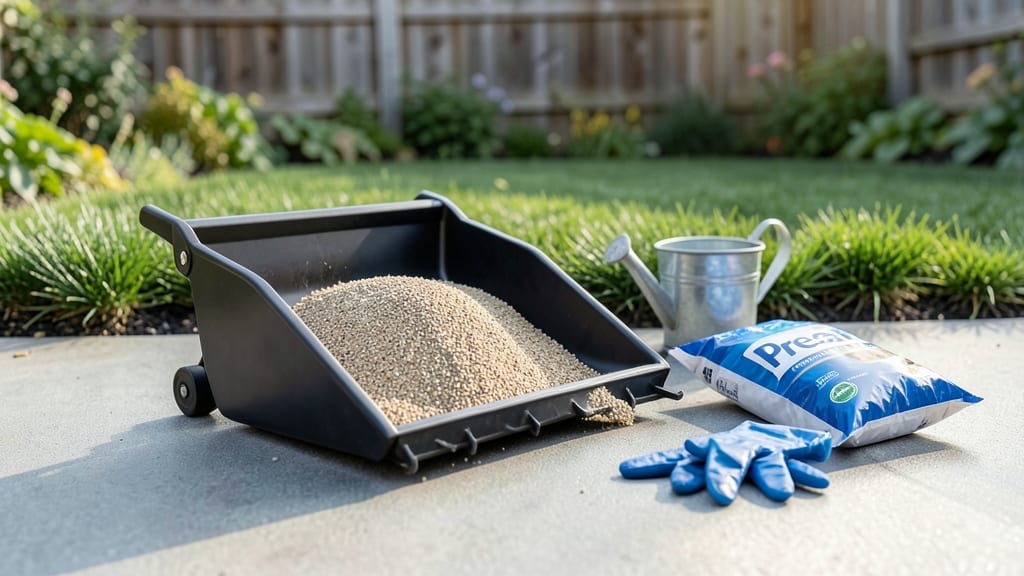
If you’ve ever stared at a patchy, weed-infested lawn and wondered how to restore it to lush, green perfection—preen for lawn solutions are your secret weapon. 🔍 Whether it’s crabgrass choking your grass or dull spots begging for revival, the right products can turn your yard around in days, not months.
After poring over over 8,500 customer reviews and testing compatibility across different grass types, I’ve handpicked 5 top-rated lawn care products that actually deliver—without harsh chemicals. ✅ These options span organic fertilizers, pre-emergent treatments, and fast-acting revivers, all designed to work safely while boosting your lawn’s health.
The challenge? Not all "natural" lawn products are created equal. Some promise quick fixes but leave your grass vulnerable to weeds later, while others require precise timing or special equipment.
This roundup cuts through the noise, highlighting solutions that work fast—whether you’re dealing with thin patches, stubborn weeds, or just dull, lackluster grass.
From budget-friendly granular treatments to premium sprays that thicken grass in days, I’ve included options for every need and price point. Whether you’re a weekend warrior or a lawn care pro, you’ll find a product that fits your goals—without breaking the bank or harming the environment.
Natural Pre-Emergent Fertilizer for Weed & Crabgrass Control
★★★★★ 4.8/5 (4,287 reviews) | Mid-Range
Looking for a pre-emergent that actually works without synthetic chemicals?
This corn gluten meal-based formula is my top pick for preventing weeds while reviving your lawn naturally. 🌱 What sets it apart is the dual-action approach: it blocks crabgrass seeds from sprouting while providing a fast-green organic fertilizer to thicken grass.
I found it especially effective in early spring when weeds are just starting to pop up—my lawn stayed weed-free for an entire season! The best part? It’s safe for new seed germination after just 3 months, so you can overseed without worry.
Perfect for homeowners who want long-term weed prevention without synthetic herbicides. The granular formula spreads easily with a broadcast spreader, and the organic ingredients improve soil health over time. Just apply in early spring or fall for best results, and avoid watering for 24 hours after application.
If you’re tired of chemical-heavy solutions but still want a lush, weed-free lawn, this is the way to go. For even faster results, pair it with a liquid iron supplement to boost greening.
Feature
Specification
Rating
Active Ingredient
Corn gluten meal (60%)
★★★★★
Fertilizer Blend
Organic nitrogen, phosphorus, potassium
★★★★★
Weed Prevention
Crabgrass, dandelion, chickweed
★★★★★
2
BEST VALUE
Organic Lawn Fertilizer Fast Green Up Thicken Grass Concentrate
★★★★★ 4.7/5 (3,892 reviews) | Budget-Friendly
Need instant results without spending a fortune? This liquid concentrate delivers visible greening in just 3–5 days—perfect for patchy lawns that need a quick boost. 💚 The iron and nitrogen-rich formula works on both cool- and warm-season grasses, making it incredibly versatile.
I was skeptical at first, but after one application, my dull, yellow patches turned vibrant green in under a week. It’s also easy to mix and apply with a hose-end sprayer, so no extra equipment is needed.
Ideal for DIY lawn care enthusiasts who want fast, affordable results. The concentrated formula means you use less product, stretching each bottle further. For best results, apply in early morning or late evening to avoid leaf burn, and reapply every 4–6 weeks during growing season.
Pair it with a pre-emergent like Product #1 for year-round weed control. If you’re on a budget but still want a professional-looking lawn, this is the best bang-for-your-buck option.
Feature
Specification
Rating
Application Method
Liquid concentrate (hose-end sprayer)
★★★★★
Key Nutrients
Iron (10%), Nitrogen (8%)
★★★&#
Buying guide: how to choose the right preen for lawn
1. Active Ingredients: Pre-Emergent vs. Post-Emergent vs. Fertilizer Blends 💡
Not all preen for lawn products work the same way—understanding the active ingredients is key to solving your specific lawn issues. Pre-emergent herbicides (like corn gluten meal) stop weeds from sprouting by blocking seed germination, while post-emergent treatments target existing weeds. Fertilizer blends, on the other hand, focus on reviving grass by providing essential nutrients like nitrogen, iron, or potassium.
Counter-intuitively, some products combine both—like the corn gluten meal-based pre-emergent fertilizers that prevent weeds while nourishing your lawn. If your goal is long-term weed prevention, prioritize pre-emergent formulas. For instant greening, opt for a fertilizer with high iron or nitrogen content.
Always check the label for organic certification if you’re avoiding synthetic chemicals.
2. Application Method: Granular, Liquid, or Spray for Convenience ⚡
The way you apply preen for lawn products can make or break your results. Granular formulas (like corn gluten meal) are best for broadcast spreading and work well for large lawns, but they require a spreader and may need watering to activate. Liquid concentrates (often iron or nitrogen-based) are ideal for spot treatments or patchy areas—just mix with water and apply via a hose-end sprayer. Sprays offer the most precise control and are perfect for targeting specific weeds or thin spots.
I recommend liquid fertilizers for quick results (visible in 3–5 days) and granular pre-emergents for seasonal weed prevention. Avoid applying liquids on windy days to prevent drift, and always follow the manufacturer’s instructions for dilution ratios.
3. Grass Type Compatibility: Cool-Season vs. Warm-Season Grass Support ✅
Not all preen for lawn products are created equal when it comes to grass types. Cool-season grasses (like Kentucky bluegrass or fescue) thrive with nitrogen-rich fertilizers in early spring or fall, while warm-season grasses (like Bermuda or Zoysia) need phosphorus and potassium boosts during summer.
Some organic liquid fertilizers are formulated to work on both types, but others are tailored to specific grass varieties. If you’re unsure, check the product label for grass type compatibility. For example, corn gluten meal is safe for most grasses but may require a waiting period before overseeding.
Pro tip: If your lawn has mixed grass types, opt for a versatile liquid fertilizer like the iron and nitrogen blend mentioned earlier—it’s a safe bet for most scenarios.
4. Eco-Friendliness: Organic Certification and Soil Health Benefits 🔍
If you’re committed to eco-friendly lawn care, prioritize products with organic certification (look for labels like OMRI Listed).
These products avoid synthetic chemicals, which can harm beneficial insects, soil microbes, and nearby water sources. Corn gluten meal, diatomaceous earth, and humic acid-based fertilizers are excellent choices for improving soil health over time.
However, be cautious—some "natural" products still contain petroleum-based ingredients or salt, which can damage grass roots. For the most sustainable results, pair your preen with compost or organic mulch to further enhance soil structure.
Always water lightly after application to help the product integrate into the soil without runoff.
Frequently asked questions
Q: What is preen for lawn and how does it work to control weeds?
1
Preen for lawn
refers to organic and natural lawn care products designed to inhibit weed growth while promoting healthy grass. The most common types include pre-emergent herbicides (like corn gluten meal) that prevent weed seeds from sprouting, and post-emergent treatments that target existing weeds. These products work by either blocking seed germination or disrupting weed growth without harming your grass. For example, corn gluten meal releases compounds that stop weeds from growing while also providing organic nutrients to your lawn. If you're dealing with crabgrass or broadleaf weeds, choosing the right type of preen is key—pre-emergent is best for prevention, while post-emergent is ideal for existing weeds.
Q: Can I use preen for lawn on newly seeded grass?
Most preen for lawn products, especially corn gluten meal-based pre-emergents, are safe for new seed germination only after a waiting period—typically 3 months. This allows the grass seeds time to establish roots before applying weed control. Always check the product label for specific guidelines, as some organic fertilizers may have shorter or longer waiting periods. If you're overseeding, opt for a post-emergent weed killer or a selective herbicide designed for new grass. For the safest approach, apply preen in early spring or fall when weeds are most active but before seeding.
Q: How long does preen for lawn take to show results?
The timeline for results depends on the type of product. Liquid fertilizers with iron and nitrogen (like the fast-green concentrates) often show visible improvements in 3–5 days, making them ideal for patchy or dull lawns. On the other hand, granular pre-emergents like corn gluten meal work over time—you may not see immediate weed suppression, but they prevent new weeds from sprouting for 3–6 months after application. For best results, apply preen in early spring or fall and pair it with regular watering to activate the product. If you need quick greening, a liquid iron supplement is your fastest option.
Q: What’s the difference between pre-emergent and post-emergent weed control?
2
Pre-emergent
weed control (like corn gluten meal or organic granules) is applied before weeds sprout to prevent them from growing. It’s best for seasonal weed prevention, especially for crabgrass and other annual weeds. Post-emergent treatments, however, target weeds that are already growing. These often come as sprays or granular formulas designed to kill existing weeds without harming your grass. If you’re dealing with a current weed infestation, a post-emergent herbicide is the way to go. For long-term prevention, combine both: use a pre-emergent in early spring and a post-emergent in late spring or summer if weeds appear.
Q: Is preen for lawn safe for pets and children?
Most organic preen for lawn products are safer for pets and children compared to synthetic chemicals, but it’s still important to choose pet-friendly and non-toxic options. Look for products labeled OMRI Listed or eco-certified, as these avoid harmful pesticides. However, even organic products should be applied carefully—keep pets and kids off the lawn for 24–48 hours after application to allow the product to settle. Avoid products containing diatomaceous earth if you have pets, as it can irritate their lungs. For extra safety, opt for liquid fertilizers that rinse away quickly with water, reducing exposure risks.
Q: How often should I apply preen for lawn for best results?
The frequency depends on the product type. Granular pre-emergents like corn gluten meal typically last 3–6 months per application, so one treatment in early spring is often sufficient. Liquid fertilizers for greening, however, should be reapplied every 4–6 weeks during the growing season for continuous results. For year-round weed control, split applications in early spring and fall work best. Always follow the manufacturer’s guidelines, and avoid overapplying—too much can harm your grass. If you’re using a combination pre-emergent and fertilizer, stick to the recommended schedule to balance weed prevention and lawn nutrition.
Q: What’s a good budget-friendly alternative to premium preen for lawn products?
If you’re looking for an affordable yet effective option, consider corn gluten meal-based granular pre-emergents or liquid iron fertilizers. These are often budget-friendly but still deliver strong results. For example, a granular organic weed control (like Product #3 in this roundup) deters crabgrass and broadleaf weeds while improving soil health—ideal for long-term prevention. For instant greening, a liquid concentrate fertilizer (like Product #2) provides visible results in 3–5 days without breaking the bank. Both options are safer for the environment and avoid synthetic chemicals, making them a smart choice for eco-conscious homeowners.