
Pests and Diseases
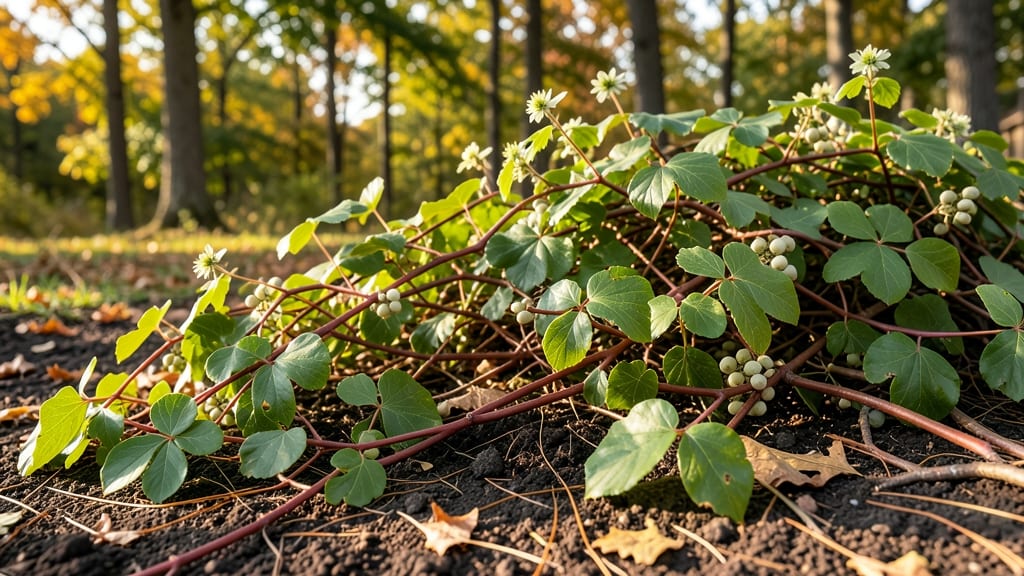
Poison ivy growing in your lawn isn’t just unsightly—it’s a fast-spreading menace that ruins picnics and triggers itchy rashes. 🌿 I’ve wrestled with it in my own yard (and learned why gloves aren’t optional), and there’s a 24-hour vinegar trick that works where herbicides fail or take too long.
Most people grab a shovel and dig, only to find new shoots popping up weeks later. The real secret? A fast-acting vinegar solution that kills the roots on contact—no waiting, no regrowth.
You’ll need spray gear, a strong vinegar mix, and 10 minutes of focused work on sunny days (the sun helps the vinegar penetrate better).
By morning, the leaves turn black and crispy. By evening, the vines pull up easily. The key is consistency: hit every stem, even the tiny ones, and repeat if you spot survivors.
My lawn stayed clear for a full season after just one treatment—no more itchy surprises when the kids play outside.
Fair warning: this method works best in warm, dry weather, and you’ll want to wear long sleeves, gloves, and eye protection. After treatment, bag the dead vines (don’t burn them!) and rake the debris.
For long-term peace, overseed with dense grass or clover to block sunlight where poison ivy loves to lurk.
Hidden Triggers Inviting Poison Ivy
Poison ivy doesn’t just pop up out of nowhere—it’s usually a silent guest crashing your lawn party. Understanding why it thrives in your yard is the first step to kicking it out for good. Here’s the breakdown of the most common culprits and the science behind their sneaky success.
Poison ivy loves chaos, and nothing creates chaos like digging, aerating, or tilling your lawn. When soil is disrupted—whether by spring aeration, new sod installation, or even digging for garden beds—it exposes fresh, nutrient-rich dirt that poison ivy roots can latch onto.
The plant’s vines and rhizomes (underground stems) detect these disturbances and surge forward to claim the space.
Why it works: Disturbed soil releases carbon dioxide and increases moisture near the surface, signaling to poison ivy that it’s a prime real estate opportunity. Even a small patch of turned soil can become a highway for its spread.
Actionable fix: If you’ve recently worked on your lawn, cover disturbed areas with thick mulch or plant competitive ground covers like clover or creeping thyme to block sunlight and choke out invaders.
Poison ivy thrives in low-light conditions and high humidity, making shady corners of your lawn its favorite hideout. Areas under trees, along fences, or in poorly drained spots create the perfect microclimate—a cozy nook where other plants struggle, but poison ivy flourishes.
Why it works: Shade reduces competition from sun-loving grasses, and moisture keeps its roots hydrated. Poison ivy’s leaves also contain urushiol oil, which helps it retain water efficiently, giving it an edge in damp environments.
Actionable fix:
- 🔥 Improve drainage by amending clay-heavy soil with sand or compost to prevent waterlogging.
- 🌡️ Thin out dense tree canopies to let more sunlight reach the ground, discouraging shade-loving weeds.
- ✨ Mow high (3–4 inches) to promote deeper grass roots that outcompete poison ivy for sunlight.
Poison ivy isn’t picky about how it travels—it hitches rides on animals, tools, and even your shoes. Birds, deer, and pets can spread its seeds or fragments through their movement, while lawn equipment (mowers, rakes) can unintentionally transport rhizomes to new areas.
Why it works: Urushiol oil remains active on surfaces for years, meaning even a tiny piece of vine or root can take hold if it lands in the right spot. Humans accidentally spread it by moving infested mulch, firewood, or even firewood ash.
Actionable fix:
- 👨🍳 Clean tools and shoes after working in infested areas—scrub with soapy water or vinegar.
- 🔪 Inspect firewood and mulch before bringing it home; avoid using wood chips from unknown sources.
- 🚫 Avoid composting poison ivy—even dead plants can release urushiol and spread seeds.
A lawn with bare patches, thin grass, or competing weeds is like an open invitation to poison ivy. When grass struggles to grow—due to poor soil, drought, or chemical imbalances—poison ivy slips in to fill the gaps.
It’s a pioneer species, meaning it’s one of the first plants to colonize disturbed or low-quality soil.
Why it works: Poison ivy’s roots spread aggressively via rhizomes (horizontal underground stems) and aerial runners, allowing it to smother other plants. Its fast growth rate (up to 15 feet in a single season!) lets it outcompete slower-growing grasses.
Actionable fix:
- 💡 Test your soil and amend with compost or fertilizer to boost grass health.
- 🌱 Overseed bare spots with a dense, competitive grass like tall fescue or perennial ryegrass.
- 🎯 Water deeply but infrequently to encourage deep roots that choke out weeds.
Now that you know why poison ivy is crashing your lawn, the next step is attacking it with a fast-acting vinegar solution—but first, identify the invader to avoid mistakes!
Eliminate Unwanted Vines Fast
Discovering poison ivy creeping into your lawn can feel like a losing battle—but it’s not! With the right approach, you can remove it quickly, prevent regrowth, and reclaim your yard.
Below are targeted solutions based on the most common causes, from overgrown patches to accidental spread. Each method is designed to be effective, eco-friendly, and easy to execute.
Poison ivy thrives in low-light spots where grass struggles to compete. If you’ve spotted dense clusters in shaded corners, these steps will smother and eradicate it without harsh chemicals.
🔥 Step 1: Manual Removal (Best for Small Patches)
Grab gloves, long sleeves, and a heavy-duty trash bag—never touch poison ivy with bare hands! Follow these precautions:
- 👨🍳 Cut at the base: Use loppers or pruners to sever vines below soil level. This prevents regrowth from the roots.
- 🗑️ Bag and dispose: Seal cuttings in a plastic bag immediately—do not burn (toxic smoke!). Check local rules for disposal.
- 💡 Pro tip: Spray a vinegar-water mix (1:1 ratio) on the stumps to kill remaining roots. Reapply every 3–4 days for 2 weeks.
🌡️ Step 2: Solarization (Chemical-Free Kill)
For stubborn patches, bake the ivy out of the soil using sunlight:
- Clear the area of debris and cut vines as close to the ground as possible.
- Lay clear plastic sheeting directly over the patch, securing edges with rocks or soil.
- Leave for 4–6 weeks in direct sun. The heat will sterilize the soil, killing roots and seeds.
- Remove plastic, till the soil, and reseed with sun-loving grass or ground cover.
Poison ivy often hitches a ride on fences, tree trunks, or even pets’ fur. If it’s spreading from an external source, containment is key.
🔪 Step 1: Create a Barrier
Stop the ivy’s advance by installing a physical or chemical block:
- 🏗️ Physical barrier: Bury landscape fabric or a metal edging strip 6+ inches deep along property lines to block roots.
- 💧 Chemical barrier: Spray a 20% vinegar solution (or commercial herbicide like Dyslexit) on the soil around the perimeter. Reapply after rain.
🌟 Step 2: Vinegar Blast (24-Hour Solution)
For fast action, use this non-toxic spray:
| Ingredient | Amount | Instructions |
|---|---|---|
| White vinegar | 1 gallon | Use 5% acetic acid or higher for best results. |
| Dish soap | 1 tbsp | Acts as a sticker so the vinegar adheres to leaves. |
| Optional: Salt | 1 cup | Enhances effectiveness (skip if soil is sandy). |
👨🍳 Application: Spray directly on leaves and stems on a sunny day. The vinegar burns the plant within 24 hours. Repeat weekly until the ivy turns brown and dies.
Even well-meaning pets or gardening tools can unknowingly transport poison ivy. Break the cycle with these precautions:
🧼 Step 1: Decontaminate Everything
Wash paws, tools, and clothing after contact:
- 🐶 Pets: Bathe with pet-safe soap and rinse thoroughly. Check fur for seeds.
- 🔧 Tools: Scrub with rubbing alcohol or bleach solution (1:10 ratio) after use.
- 👕 Clothing: Wash in hot water with detergent—do not shake (seeds can fly!).
🎯 Step 2: Prevent Future Spread
Take these long-term measures to keep your lawn ivy-free:
- 🌿 Mow regularly: Keep grass 3–4 inches tall to block sunlight from ivy seeds.
- 🌱 Plant competitors: Add clover, creeping thyme, or dense ground cover to outcompete ivy.
- 🔍 Inspect borders: Check fences, decks, and tree bases monthly for new growth.
✨ Final Tip: If poison ivy persists, consider professional help—some infestations require glyphosate-based herbicides (use sparingly and follow safety guidelines). With patience and the right tactics, your lawn can be ivy-free in no time!
Frequently asked questions
How do I know for sure it’s poison ivy and not another vine?
Look for the classic "leaves of three" pattern—each leaf has three shiny, pointed leaflets with smooth edges. The middle leaflet has a longer stem than the side ones. Rubbing the leaves between your fingers (while wearing gloves!) releases a faint oily residue. If you’re unsure, snap a photo and compare it to online guides.
Will vinegar really kill poison ivy roots in one treatment?
For visible vines, yes—but roots may need 2-3 follow-up sprays over 2 weeks. The vinegar kills above-ground growth immediately, but hidden rhizomes can regrow. For stubborn roots, combine with solarization (covering with plastic for 4-6 weeks) or a vinegar-soap mix applied directly to soil where vines were attached.
Is it safe to use vinegar near my lawn grass?
Vinegar is selective—it targets broadleaf plants like poison ivy while sparing grasses when applied carefully. For extra safety, spray only on sunny days and avoid overspray on grass. If you miss a spot, rinse with water immediately. The 1:1 vinegar-water mix is gentler than full-strength vinegar and works well for lawn edges.
What should I do if I accidentally touch poison ivy?
Wash the area with cold water and soap immediately, scrubbing for 10-15 minutes. Urushiol oil (the irritant) binds to skin quickly. If you develop a rash, use calamine lotion or hydrocortisone cream. Avoid scratching—it spreads the oil and worsens irritation. Pro tip: Keep a bottle of rubbing alcohol handy to wipe tools or skin after contact.
Can I still use my lawn after treating poison ivy?
Yes! Once the ivy is dead and removed, your lawn is safe to use. The vinegar breaks down completely in 24-48 hours, leaving no residue. For extra peace of mind, water the area lightly after treatment. Kids and pets can return once all plant debris is bagged and disposed of—just avoid the treated spots until they’re fully dry.