
Lawn
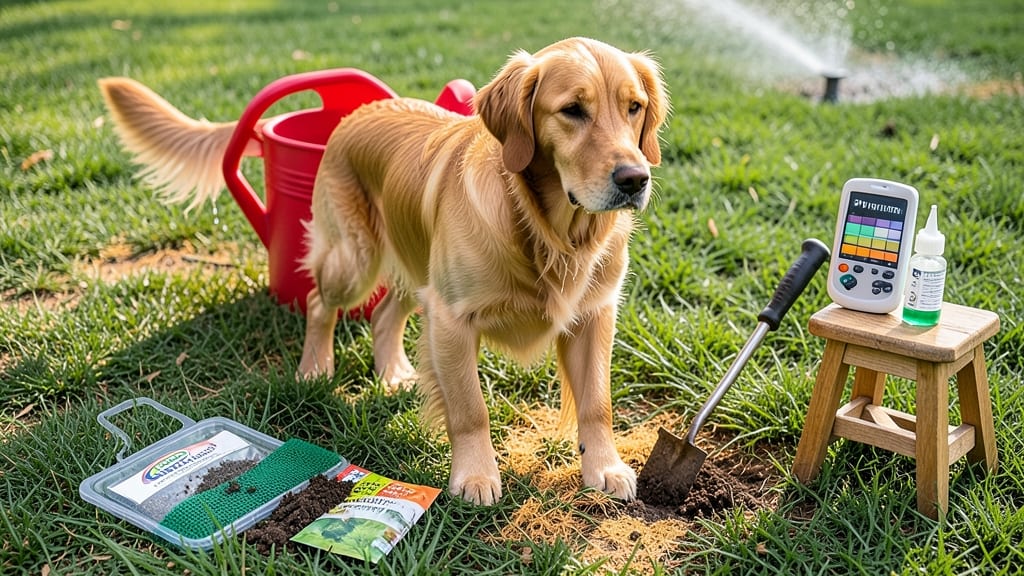
Those pesky pee spots on lawns turn vibrant green grass into sad, straw-colored patches that scream "I need help." 🌱 The good news? You don’t need harsh chemicals to fix them—just a few simple ingredients from your kitchen and a little elbow grease.
Between you and me, I’ve battled these spots for years, and the vinegar-baking soda combo has saved my lawn more times than I can count.
Here’s the thing—pee spots happen because urine is packed with nitrogen, which burns grass when it concentrates in one spot.
Diluting it with water right after accidents helps, but once the damage is done, a mix of white vinegar and baking soda (1 part vinegar to 2 parts baking soda) neutralizes the pH and restores color in 24-48 hours.
It’s a game-changer for pet owners or families with kids who can’t always make it to the bathroom in time.
What you’ll end up with is grass that looks uniform and lush again, no more patchy eyesores. The best part? This method is safe for kids, pets, and the environment—no toxic fumes or runoff. For stubborn spots, follow up with a light overseeding to encourage new growth where needed.
Works for any grass type, from cool-season fescue to warm-season Bermuda. The key is acting fast—once the spot sets in, prevention becomes harder. Let’s get your lawn back to its full glory!
The Real Culprits Behind Lawn Stains
If you’ve ever spotted those unsightly yellow or brown patches on your lawn—especially after your pets have done their business—you’re not alone. These pee spots aren’t just an eyesore; they’re a clear sign of chemical imbalances in your grass.
Understanding the science behind them helps you tackle the problem effectively. Let’s break down the key reasons why these stains appear and linger.
Dog (or human) urine is primarily made up of urea, uric acid, and ammonia. When it hits your lawn, these compounds undergo a chemical reaction that harms the grass. Here’s how it works:
- Urea breaks down into ammonia (NH₃) and carbon dioxide (CO₂) due to bacterial action in the soil. Ammonia is highly alkaline and can burn grass blades on contact.
- Uric acid (more common in bird or reptile urine) is acidic and can bleach grass, leaving behind those telltale yellow patches.
- The combination of these chemicals disrupts the grass’s cell structure, causing it to turn brown or die in the stained area.
Pro Tip: 💡 The longer urine sits on the grass, the worse the damage. Dilution is key—encourage pets to drink more water to reduce urine concentration!
Not all grass handles urine the same way. Some varieties are more resilient to chemical burns, while others are highly sensitive. Here’s how grass type plays a role:
| Grass Type | Urine Tolerance | Why It Struggles |
|---|---|---|
| Bermuda Grass | 🟢 Moderate | Recovers faster due to dense root systems but can still show temporary browning. |
| Kentucky Bluegrass | 🟡 Low | Thin blades are easily damaged by ammonia, leading to permanent spots if not treated. |
| Fescue Grass | 🟢 High | Deep roots help it bounce back, but frequent urination can still cause thinning. |
| St. Augustine Grass | 🔴 Very Low | Soft blades are highly susceptible to chemical burns, often resulting in dead patches. |
Actionable Tip: ✨ If you have a sensitive grass type, consider training pets to pee in a designated area (like a gravel patch) or using artificial turf in high-traffic zones.
Urine damage isn’t just about chemistry—it’s also about environmental factors that either mitigate or worsen the problem.
- Direct sunlight accelerates the evaporation of urine, leaving behind concentrated ammonia and uric acid. This amplifies the burning effect on grass.
- Soil pH imbalance (especially alkaline soil) makes grass more vulnerable. Ammonia thrives in alkaline conditions, while acidic soil can neutralize some of the damage.
- Poor drainage means urine sits longer, giving chemicals more time to seep into the roots and kill grass.
Quick Fix: 🌡️ Water the affected area immediately after urination to dilute the chemicals. Aim for 1–2 inches of water to help flush out the ammonia.
The more often your pet pees in the same spot, the worse the damage. Here’s why repetition matters:
- Repeated urination depletes nutrients in the soil, weakening the grass’s ability to recover.
- Large breeds or high-water-intake pets produce more concentrated urine, increasing the risk of chemical burns.
- Lack of potty training leads to random spots, making it harder to treat systematically.
Behavioral Solution: 🎯 Train pets to rotate pee spots by using verbal cues or a designated "potty area" with artificial turf or pebbles.
Quick Fixes for Lawn Pee Stains
Pee spots on your lawn don’t have to be a permanent eyesore! Whether they’re caused by pets, kids, or even wildlife, these targeted solutions will help restore your grass to its lush best. Below, we’ve mapped common causes to practical fixes—plus prevention tips to keep your lawn looking fresh.
If your lawn is already struggling with poor drainage or heavy foot traffic, pee spots will linger longer. Here’s how to revive it:
- 💦 Rake and Aerate: Use a garden rake to loosen the soil and improve airflow.
For compacted areas, rent an aerator to create small holes for water and nutrients to penetrate. - 🌱 Overseed Bare Patches: Fill in thin or dead spots with grass seed matched to your lawn type.
Water lightly but frequently for the first 2 weeks. - ✂️ Mow High: Set your mower to 3–4 inches to strengthen grass roots and reduce stress from pee damage.
Pro Tip 💡: If your lawn is consistently soggy, consider a soil test to check pH levels—pee can make soil more acidic over time.
Pet urine is highly acidic and can kill grass on contact. Act fast with these steps:
- 🧴 Neutralize with Baking Soda: Mix 1 cup baking soda per gallon of water, then spray directly on the spot.
Let it sit for 10 minutes before rinsing. - 🍋 Vinegar Rinse (For Tough Stains): Combine 1 part white vinegar to 3 parts water in a spray bottle.
Apply, wait 5 minutes, then rinse with water. Test a small area first—vinegar can be too harsh for some grass types. - 🌿 Fertilize Lightly: After treating, apply a low-nitrogen, high-potassium fertilizer to help grass recover.
Prevention Tip 🎯: Train pets to pee in one designated area (like a gravel patch) and rinse it daily with water.
If pee spots appear after heavy rain or overwatering, the issue is likely nutrient leaching rather than damage. Try this:
- 💧 Adjust Watering: Water deeply 2–3 times per week (early morning is best) instead of daily light sprinkles. This encourages deep root growth. - 🌱 Top-Dress with Compost: Spread a thin layer of compost over the lawn to replenish nutrients.
This also improves soil structure. - 🔄 Dethatch if Needed: If your lawn has a thick thatch layer (dead grass buildup), dethatch to help water and nutrients reach the roots.
Quick Fix ⏰: After rain, walk on the lawn to help distribute pee residue naturally—just avoid stepping in the same spots repeatedly.
If the culprit is squirrels, rabbits, or stray animals, you’ll need a two-pronged approach:
- 🚫 Deterrent Sprays: Use pet-safe repellents (like citrus or pepper spray) around the perimeter of your lawn.
Avoid harsh chemicals near plants. - 🌿 Plant Alternatives: Add clover or moss to high-traffic areas—these are more resilient to pee and require less water. - 🔍 Identify the Source: Check for fresh dig marks or urine trails.
If neighbors’ pets are the issue, politely ask them to supervise.
Prevention Tip ✨: Install a motion-activated sprinkler to scare off wildlife without harming them.
In hot, dry climates, pee spots can look worse because the grass is already struggling. Combat this with:
- 💦 Hydration Boost: Water the lawn deeply at dawn to reduce evaporation.
Use a soaker hose for efficiency. - 🌿 Shade Solutions: If pee spots are in sunny areas, add mulch or shade cloth temporarily to protect the grass. - 🍃 Choose Drought-Resistant Grass: If your lawn is prone to pee damage, consider switching to Buffalo grass or Fescue, which tolerate stress better.
Pro Tip 🔥: Mow less frequently in summer—longer grass shades the roots and retains moisture.
Final Reminder: Most pee spots fade within 2–4 weeks with proper care. Consistency is key—don’t give up if you don’t see immediate results! For stubborn stains, repeat treatments every few days until the grass recovers.
Frequently asked questions
Why do pee spots turn my lawn brown?
The ammonia in urine burns grass blades, causing those unsightly brown patches. When urine sits too long, it disrupts the grass's cell structure, leaving dead spots. Watering immediately after accidents helps dilute the chemicals before they damage the lawn.
Will vinegar really fix pee stains?
Yes! A mix of 1 part white vinegar to 3 parts water neutralizes urine's acidity. Just spray on the spot, wait 5 minutes, then rinse. Test a small area first—vinegar can be too harsh for some grass types like St. Augustine.
How long does it take for grass to recover?
With proper treatment, most spots improve in 2-4 weeks. For stubborn patches, overseed the area and keep it moist. Grass like fescue recovers faster than delicate varieties like Kentucky bluegrass.
Can I prevent pee spots without chemicals?
Train pets to use a designated gravel area, dilute urine with water immediately, and mow high to strengthen grass. Adding clover to high-traffic zones also helps—it's more urine-resistant than regular grass.
What if my lawn has pee spots but no pets?
Wildlife like squirrels or rabbits could be the culprit. Check for fresh dig marks or urine trails. Use pet-safe repellents or install a motion-activated sprinkler to deter them without harming plants.