
Lawn
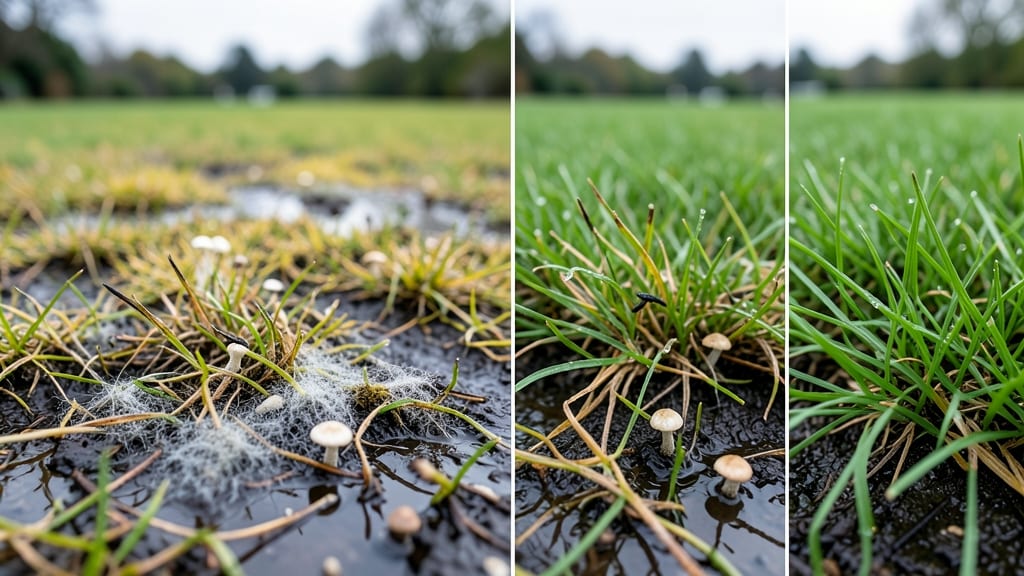
Your lawn might look drowning, but it’s not too late to revive it. 🌱 Overwatered lawns show up as spongy grass, yellow patches, or that musty smell after rain—all signs your yard needs better drainage fast. The good news? Simple fixes can turn things around in days, not months.
Most lawns get overwatered because we assume more water means greener grass. But too much moisture suffocates roots, invites fungus, and washes away nutrients. The key is adjusting your watering schedule—deep, infrequent soakings instead of daily light sprinkles—and improving soil drainage with sand or compost.
Within a week, you’ll see firmer ground, fewer mushrooms popping up, and grass that stops looking like a swamp. The real win? Your lawn will stay healthier long-term, needing less water and fewer fixes. Let’s get that soil breathing again.
Works for any grass type, from Kentucky bluegrass to Bermuda, and even helps clay-heavy soil. Here’s how to diagnose the problem and start the comeback—without waiting for summer to dry things out.
The Hidden Triggers Behind Soggy Grass
An overwatered lawn isn’t just the result of a heavy-handed hose—it’s often a chain reaction of overlooked factors. Understanding the why behind the wetness is the first step to fixing it.
Below, we break down the most common causes, from soil behavior to human habits, with science-backed explanations so you can target the real issue.
If water pools on your lawn like a puddle after rain, your soil might be acting like a sponge with a clogged drain. Here’s why:
- Compacted Soil: Heavy foot traffic, machinery, or even natural settling can compress soil particles, reducing pore space. When pores shrink, water has nowhere to go but upward—leading to surface saturation. Test it: Stick a screwdriver in the ground. If it struggles past 3 inches, your soil is compacted.
- Clay-Heavy Composition: Clay soils have tiny, tightly packed particles that repel water instead of absorbing it. This creates a hydrophobic layer where water beads up like rain on a waxed car. Pro tip: Mix in compost or sand to break up clay’s grip.
- Low Organic Matter: Healthy soil needs organic material (like decomposed leaves or grass clippings) to create air pockets. Without it, water logs like a flooded parking lot. Fix: Top-dress with 1–2 inches of compost annually.
💡 Quick Fix: Run a garden fork vertically through compacted areas to create channels for water escape. Do this before heavy rains or watering sessions.
Most homeowners water their lawns like they’re irrigating a golf course—often, multiple times a week with shallow sessions. Here’s the science behind the sog:
- Shallow Watering: Light waterings (under ½ inch) only wet the top 1–2 inches of soil. Grass roots stay shallow, and excess water evaporates or runs off, leaving the lower soil soggy. Goal: Water deeply (1–1.5 inches per session) to encourage deep root growth.
- Frequency Over Depth: Watering daily or every other day trains grass to rely on surface moisture, weakening roots. Rule of thumb: Water infrequently but thoroughly—aim for 2–3 times per week, depending on climate.
- Ignoring Weather: Watering on rainy days or when humidity is high traps moisture in the soil. Tool to use: A rain gauge or weather app to track actual rainfall.
🎯 Action Step: Adjust your sprinkler timer to deliver 1 inch of water per week (including rain). Use a DIY tuna-can test to measure output.
Not all lawns are created equal—and some are designed to hold water like a bowl. Check for these common mistakes:
- Low Spots or Dips: Uneven terrain naturally collects water, creating soggy pockets. Even a 1-inch depression can turn into a swamp after watering.
- Poor Grading: If your yard slopes toward your house or a sidewalk, water has nowhere to drain but upward. Solution: Regrade the area with a 1–2% slope away from structures.
- No Swales or Berms: Traditional landscapes use swales (shallow trenches) or berms (raised mounds) to redirect water. Without them, your lawn becomes a floodplain.
🔧 Pro Move: Use a laser level to identify low spots, then fill them with a mix of sand and topsoil (50/50 ratio) to improve drainage.
Some grass varieties are thirsty by nature, while others thrive in drought. Planting the wrong type in your climate guarantees a soggy mess. Examples:
| Grass Type | Climate Fit | Water Needs | Sog Risk |
|---|---|---|---|
| Kentucky Bluegrass | Cool, humid regions (e.g., Pacific Northwest) | High (needs frequent watering) | ⚠️ Very high (roots stay shallow) |
| Bermuda Grass | Hot, dry climates (e.g., Southwest U.S.) | Moderate (drought-tolerant once established) | ✅ Low (deep roots handle excess water) |
| Fescue Grass | Transition zones (e.g., Midwest) | Moderate (adapts to moisture changes) | ⚠️ Moderate (can develop fungal issues) |
✨ Climate Check: Research grass types suited to your USDA hardiness zone. Native grasses (like Buffalo grass) often need 30–50% less water than non-native varieties.
Now that you know the why, the next step is fixing it. Stay tuned for practical fixes that work in days—not months.
Fix Your Soggy Grass Fast
An overwatered lawn doesn’t have to stay a swampy mess—with the right steps, you can revive it in days. The key is identifying the root cause (literally!) and addressing it with targeted fixes.
Below, we break down practical solutions for the most common culprits, plus prevention tips to keep your grass healthy long-term.
---
If your lawn is drowning in excess moisture, the first fix is simple: cut back on watering.
#### 🔥 Stop Watering Immediately - Skip the hose for 2–3 days to let the soil dry out. This prevents root rot and fungal growth. - Check soil moisture by digging a 2-inch hole—if it’s damp, wait another day.
#### 🍳 Reschedule Watering for Early Morning - Water before 10 AM to reduce evaporation and fungal risks. - Avoid evening watering—wet grass at night invites disease.
#### 👨🍳 Measure Your Water Output - Use a rain gauge or tuna can to track how much water you’re applying. - Rule of thumb: 1 inch per week (including rain) is ideal for most lawns.
#### 🌡️ Prevent Future Overwatering - Upgrade to a smart sprinkler with soil moisture sensors. - Group plants by water needs—don’t treat your drought-tolerant grass like a thirsty fern. - 💡 Pro Tip: Mow high (3–4 inches) to shade roots and retain moisture better.
---
If water pools in spots, your lawn may have clay soil, slope issues, or compaction.
#### ⏰ Aerate to Break Up Compacted Soil - Rent a core aerator (or hire a pro) to pull out soil plugs, improving airflow and drainage. - Best time: Early fall or spring when grass is actively growing.
#### 🔪 Level Low Spots (If Needed) - For sunken areas, mix sand or compost into the soil to raise the grade. - For slopes, create swales (shallow trenches) to redirect water away from the lawn.
#### 🌱 Improve Soil Composition - Add organic matter (compost, peat moss) to clay-heavy soil to boost drainage. - Top-dress annually with a thin layer of sand or loamy soil.
#### ✨ Prevent Water Pooling Long-Term - Install French drains in problem areas if water consistently pools. - Plant deep-rooted grasses (like tall fescue) that handle wetter conditions.
---
If your lawn has mushy patches, mushrooms, or slimy spots, fungus may be the culprit.
#### 🍄 Stop Watering Until Spots Dry - Fungus thrives in wetness—let affected areas dry completely before resuming watering.
#### 🔪 Remove Thatch and Debris - Rake out dead grass and thatch to improve airflow. - Avoid heavy foot traffic on damp grass.
#### 💡 Apply Fungicide (If Severe) - Use a copper-based or potassium bicarbonate fungicide for stubborn cases. - Prevent recurrence by watering deeply but infrequently.
#### 🎯 Choose Drought-Tolerant Grass - If fungus keeps returning, switch to grass types like Bermuda or Zoysia, which handle moisture better.
--- | Problem | Immediate Fix | Prevention Tip | |----------------------|---------------------------------|----------------------------------------| | Overwatering | Skip watering 2–3 days | Upgrade to smart sprinklers | | Poor drainage | Aerate + add sand/compost | Install French drains in low spots | | Fungal growth | Remove thatch, dry out lawn | Water early morning, avoid evening |
--- Final Thought: Most overwatered lawns recover within 3–5 days if you adjust watering and improve drainage. Start with the fixes above, then fine-tune based on your yard’s specific needs. 🌱💦
Frequently asked questions
How can I tell if my lawn is overwatered instead of just wet?
Look for these key signs: spongy grass that springs back slowly when stepped on, yellow patches that don't recover, or mushrooms popping up. If water pools for more than 24 hours after rain, that's another red flag. Overwatered lawns also smell musty and develop thatch layers thicker than ½ inch.
Will stopping water completely fix an overwatered lawn?
Not immediately—but cutting back drastically helps! Skip watering for 3-5 days to let soil dry out, then resume with deep, infrequent waterings (1-1.5 inches per week). The key is preventing root rot while giving grass time to recover. Most lawns bounce back within 7-10 days if you adjust your schedule.
Can I still mow an overwatered lawn?
Yes, but wait until the grass is partially dry to avoid spreading fungal spores. Set your mower blade to 3-4 inches to shade roots and prevent evaporation. Avoid mowing when soil is waterlogged—it compacts further and damages roots. If grass feels mushy, wait 24 hours before mowing again.
What's the fastest way to improve drainage in clay soil?
Mix 1-2 inches of coarse sand or compost into the top 4 inches of soil, then aerate with a core aerator. For severe cases, create shallow trenches (swales) to redirect water. This combo breaks up clay's tight structure and adds air pockets within days.
Will my grass recover if it's been overwatered for months?
With proper care, yes—but expect partial recovery. Start by adjusting watering, aerating, and adding organic matter. For severely damaged areas, consider overseeding with drought-tolerant varieties like Bermuda or tall fescue. Most lawns show improvement within 3-4 weeks of corrected maintenance.