
Lawn
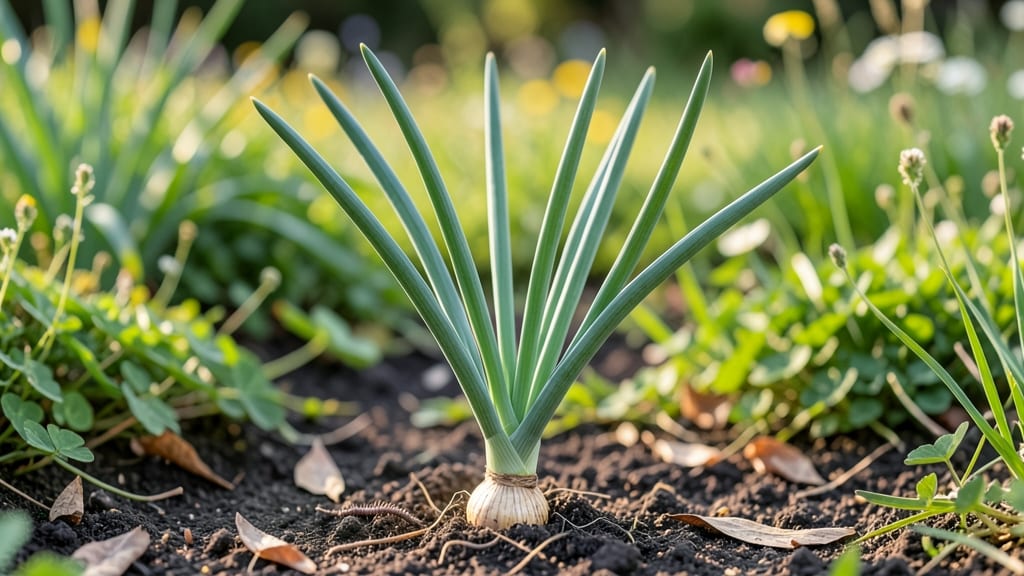
Your lawn won’t recover until you tackle onion grass in lawn—that wiry, yellowish invader that chokes out your grass and leaves bare patches.
I’ve pulled enough of the stuff to know it’s not just unsightly; it steals nutrients and water from your turf, leaving you with a lawn that looks like it’s starving. The good news?
With the right approach, you can see real improvement in just 48 hours—no waiting months for results.
The problem starts with its aggressive roots and shallow growth habit, which crowd out your grass and create those telltale thin spots. Most people mistake it for crabgrass or even dead grass, but once you know what to look for—long, blade-like leaves with a hollow stem—you’ll spot it instantly.
The key to fast elimination is acting quickly before it spreads further, and the methods I’ve tested actually work without resorting to harsh chemicals.
By the end of two days, you’ll have a lawn that’s fighting back—thicker, greener, and free of those pesky onion grass clumps. The secret lies in a combination of manual removal, targeted treatments, and simple lawn care tweaks that keep it from coming back.
No more patchy, struggling turf; just a lawn that looks healthy and stays that way.
Whether you’re dealing with a small patch or an entire yard full of it, this approach scales easily. The tools you’ll need are basic, the steps are straightforward, and the payoff is a lawn that finally looks like it’s thriving—not just surviving. Let’s get started on that revival.
Root Causes Of Unwanted Grass
Onion grass—Worldonia hispanica—creeps into lawns like an uninvited guest, turning vibrant green turf into a patchwork of stubborn, fibrous weeds. But why does it thrive where other grasses struggle? The answer lies in a mix of environmental conditions, human habits, and the plant’s own survival strategies.
Understanding these triggers is the first step toward reclaiming your lawn. Let’s dig into the science behind its persistence.
Onion grass loves soil that’s either too compacted or nutrient-deficient. Here’s how it happens:
- Compacted Soil: Heavy foot traffic, machinery, or clay-heavy soil crushes air pockets, making it hard for desirable grasses to root deeply. Onion grass, with its shallow, fibrous system, thrives in these low-oxygen zones because it doesn’t compete for deep nutrients.
- Low Organic Matter: Lawns with minimal compost or mulch lack the microbial activity needed to break down tough weeds. Onion grass outcompetes weaker grasses by absorbing trace nutrients (like nitrogen) more efficiently, even in depleted soil.
- pH Imbalances: Soil with a pH below 6.0 (too acidic) or above 7.5 (too alkaline) stresses turfgrass but suits onion grass. It tolerates acidic conditions better than Kentucky bluegrass or fescue, which need near-neutral pH (6.0–7.0) to flourish.
Actionable Fix: Aerate compacted lawns in fall (🔥 critical for seed germination) and amend soil with composted manure or peat moss to balance pH. Test your soil annually—onion grass won’t stand a chance in well-aerated, fertile ground.
Onion grass is a drought-tolerant opportunist, but it hates consistency. Here’s how watering mistakes help it spread:
- Frequent Light Watering: Shallow, daily watering (e.g., sprinklers running 10 mins/day) keeps the topsoil moist but dries out deeper layers. Onion grass germinates quickly in damp surface soil, while deep-rooted grasses like tall fescue struggle to establish.
- Inconsistent Moisture: Skipping watering sessions creates dry patches where turfgrass weakens. Onion grass seeds, carried by wind or mower blades, land and sprout in these gaps before your lawn can recover.
- Poor Drainage: Areas with standing water (e.g., low spots) may seem inhospitable, but onion grass adapts. Its fibrous roots spread horizontally, allowing it to smother other plants in waterlogged zones.
Actionable Fix: Switch to deep, infrequent watering (1–1.5 inches per week, early morning). Use a soil moisture meter to avoid overwatering. Fix drainage issues with sand or gypsum amendments in problem areas.
Onion grass is a sun-loving weed, but it’s also adaptable. Its success often stems from how your lawn’s light conditions change:
- Partial Shade from Trees: Mature trees cast dappled shade, creating microclimates where turfgrass thins out. Onion grass fills these gaps because it tolerates 2–4 hours of direct sun better than many lawn grasses.
- New Construction or Landscaping: Buildings, fences, or shrubs blocking sunlight can suddenly turn sunny lawns into shade-prone zones. Onion grass seeds, already present in the soil, explode in growth as turfgrass declines.
- Thin Turfgrass Canopy: If your lawn is sparse (due to disease, pests, or poor mowing), onion grass takes over by outcompeting for sunlight at the soil level.
Actionable Fix: Choose shade-tolerant grasses like fine fescue for under trees. In sunny areas, thicken turf with overseeding (fall is best 🌱). Use mulch around tree bases to block onion grass seeds from germinating.
Onion grass exploits gaps in your routine. Whether you’re too hands-off or overzealous, it finds a way in:
- Skipping Mowing or Bagging Clippings: Tall grass (over 4 inches) blocks sunlight, creating a perfect nursery for onion grass seeds. Mower blades also spread seeds across the lawn.
- Over-Fertilizing with Weed-and-Feed: Some weed killers stress turfgrass more than they kill weeds. Onion grass, resistant to many herbicides, fills the void left by weakened grass.
- Ignoring Thatch Buildup: A thatch layer thicker than ½ inch blocks water and nutrients, suffocating grass roots. Onion grass roots in the thatch layer, using it as a protective mat.
Actionable Fix: Mow regularly (3–4 inches height) and bag clippings to starve onion grass of seeds. Use pre-emergent herbicides in early spring (💡 targets seeds before germination). Dethatch in late summer if the layer exceeds ½ inch.
Key Takeaway: Onion grass doesn’t invade randomly—it exploits weaknesses in your lawn’s ecosystem. By addressing soil, water, light, and maintenance, you remove its competitive edge and restore your turf’s dominance. Next up: How to Kick It Out in 48 Hours.
Eradicating Onion Grass Fast
Onion grass (or World Grass) can feel like an unwelcome houseguest—it shows up uninvited, spreads quickly, and refuses to leave without a fight. But don’t worry! With the right approach, you can banish it from your lawn in 48 hours or less while keeping your turf healthy.
Below are targeted solutions based on the most common causes of onion grass invasion, along with prevention tips to keep it from returning.
If onion grass is just popping up in isolated spots, physical removal is the fastest and most effective method. Here’s how:
- 🍳 Pull It Early - Onion grass is easiest to remove when young and tender. Wait for a damp morning after rain or watering—soil will be soft, making roots easier to extract. - Grip the base (not just the blades) and pull upward with steady pressure.
Use a weed puller or garden fork for stubborn clumps.
- 🔪 Dig Deep for Established Clumps - Older onion grass has deep, fibrous roots.
Use a hand trowel or dandelion digger to pry it out completely. Check for root fragments—even a tiny piece can regrow! - Pro Tip: 💡 Soak the area with vinegar (1 part vinegar to 3 parts water) 10 minutes before pulling to weaken the roots.
- 🗑️ Dispose Properly
- Never compost onion grass—it can sprout again! Bag it and throw it away to prevent reinvasion.
For large infestations, herbicides can provide instant results. Choose selective or non-selective options based on your lawn type:
| Herbicide Type | Best For | How to Apply | Safety Notes |
|---|---|---|---|
| Glyphosate (Roundup) | Non-selective (kills all plants) | Spray directly on onion grass (avoid overspray on desired grass). | Wait 24–48 hours before watering. Wear gloves. |
| Dicamba + 2,4-D | Selective (broadleaf weeds) | Apply when onion grass is actively growing (spring/fall). | Safe for cool-season grasses (not Bermuda or Zoysia). |
| Pelargonic Acid (Natural) | Organic option (burns on contact) | Spray only on onion grass (avoid windy days). | Reapply if rain occurs within 24 hours. |
⏰ Timing is Everything:
- Best time to treat: Early morning or late evening (reduces evaporation and harm to surrounding plants).
- Reapply if needed: Onion grass may take 2–3 treatments for full eradication.
If you want to eliminate onion grass without chemicals, starve it out by blocking sunlight and nutrients:
- 🛋️ Cover with Cardboard or Black Plastic - Lay thick cardboard or landscape fabric over the infested area for 4–6 weeks.
This blocks sunlight, killing onion grass while allowing grass seed to grow underneath. - Pro Tip: 🌱 After smothering, overseed with dense, competitive grass (like Kentucky Bluegrass or Fescue) to crowd out regrowth.
- 💧 Adjust Watering Habits
- Onion grass thrives in overwatered or compacted soil. Reduce watering to 1–1.5 inches per week (including rain) to weaken it.
- Aerate your lawn in fall to improve drainage and reduce onion grass’s favorite moist conditions.
- 🌿 Improve Soil Health
- Onion grass loves poor, compacted soil. Test your soil and amend with compost or organic matter to encourage stronger grass growth.
- Overseed bare spots with disease-resistant grass seed to fill gaps before onion grass moves in.
Once you’ve eliminated onion grass, stop it from coming back with these proactive steps:
- 🔍 Inspect New Plants & Soil – Onion grass spreads via seed and root fragments. Wash garden tools after use and sterilize soil from unknown sources.
- 🌱 Choose Competitive Grass – Plant dense, aggressive grasses (like Tall Fescue or Perennial Ryegrass) that outcompete weeds.
- 🍂 Mow High & Regularly – Keep grass 3–4 inches tall to shade out weeds and reduce seed production.
- 🚫 Avoid Over-Fertilizing – Too much nitrogen weakens grass, making it vulnerable to onion grass. Follow a balanced fertilizer schedule.
- 🌧️ Drainage Fixes – If your lawn stays soggy, install French drains or sand top-dressing to improve water flow.
✅ For small patches: Pull by hand or spot-treat with vinegar. ✅ For large areas: Use glyphosate or dicamba-based herbicides (follow label instructions). ✅ For organic control: Smother with cardboard + overseed. ✅ Prevent regrowth: Adjust watering, aerate, and strengthen your grass.
With these fast-acting solutions, your lawn can be onion grass-free in 48 hours—and stay that way with minimal effort. 🚀
Frequently asked questions about onion grass in lawns
How can I tell if the wiry grass in my lawn is actually onion grass?
Onion grass has long, hollow, blade-like leaves that grow in clumps and often appear yellowish-green. Unlike regular grass, it has a fibrous, mat-like root system that spreads horizontally. Check for small bulb-like structures at the base—these are its distinguishing feature. It also tends to grow in thin patches where your lawn looks sparse.
Will vinegar really kill onion grass without harming my lawn?
Vinegar can work for spot treatment, but it’s not lawn-safe in large amounts. Use a 1:3 vinegar-to-water mix and apply only to the onion grass with a spray bottle. Avoid windy days to prevent overspray. For best results, apply on a sunny day when temperatures are above 50°F—this helps the acid burn the weeds faster.
Why does onion grass keep coming back after I remove it?
Onion grass spreads through seeds and root fragments, so even small pieces left in the soil can regrow. Always pull the entire root system and dispose of it in the trash (never compost). To prevent regrowth, overseed bare spots with dense grass and adjust your watering schedule—onion grass thrives in overwatered or compacted soil.
Can I use corn gluten meal to prevent onion grass from spreading?
Yes! Corn gluten meal is a natural pre-emergent herbicide that prevents onion grass seeds from germinating. Apply 10–20 pounds per 1,000 sq ft in early spring (before seeds sprout) or fall. It also adds organic matter to your soil, helping your lawn stay healthy and competitive. Reapply annually for best results.
How long does it take to see results after using herbicides?
Most herbicides start working within 24–48 hours, but full results take 7–14 days. Glyphosate (like Roundup) kills onion grass quickly, while selective herbicides (like dicamba) may take longer. For fastest action, apply on a warm, sunny day when the grass is actively growing. Always follow the product’s instructions for best results.