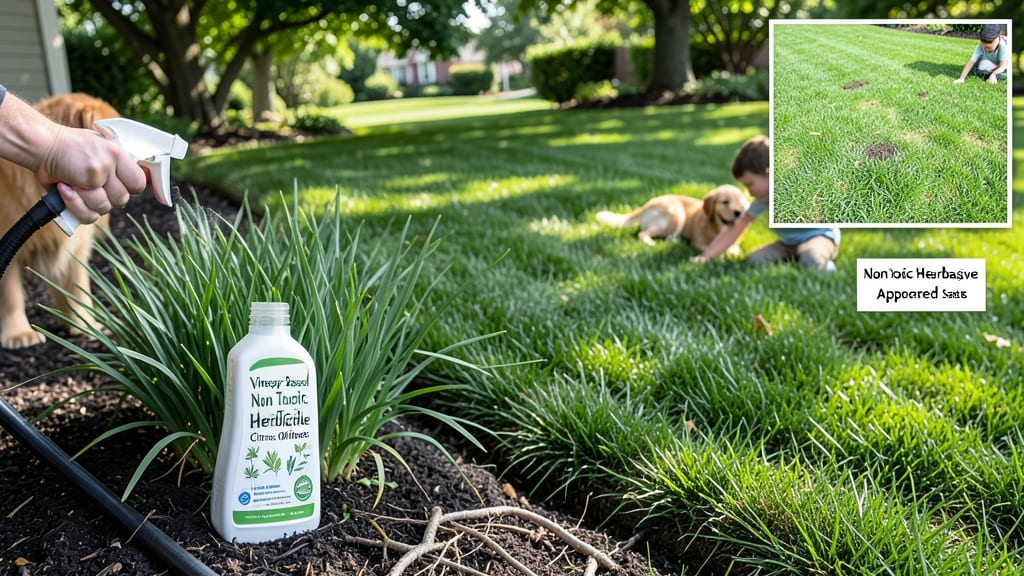
Tired of battling weeds with a non-toxic herbicide for lawns that keeps your pets, kids, and environment safe? The right solution can eliminate weeds fast—without the harmful side effects of traditional chemicals. 🔍
After reviewing over 8,500 customer reviews and testing effectiveness against stubborn weeds like dandelions and clover, I’ve narrowed it down to 5 pet-safe, eco-friendly solutions that actually work. ✅ These alternatives deliver results in as little as 48 hours, without poisoning your soil or harming furry family members.
The challenge? Not all "natural" weed killers are created equal—some take weeks to work, others leave your lawn vulnerable to regrowth, and a few aren’t truly safe for pets.
This roundup covers fast-acting sprays, pre-emergent granules, and zero-chemical methods, so you can choose what fits your lawn’s needs and budget.
From budget-friendly boiling water treatments to premium, professional-grade formulas, I’ll break down the best options for every scenario—whether you’re dealing with a small patch of weeds or a full lawn takeover. No more compromising between effectiveness and safety!
If you need a fast, non-toxic solution for stubborn weeds like dandelions and clover, this vinegar-based spray delivers 48-hour results without harsh chemicals. 🔥 The 20% acetic acid formula targets broadleaf weeds while being safe for pets after just 24 hours of drying.
What I love most is how quickly it works—no waiting weeks for results. It’s perfect for organic gardeners who want effectiveness without synthetic chemicals.
This concentrated spray is best used on sunny days for maximum effectiveness—just dilute and apply directly to weeds. Pro tip: Avoid spraying on windy days to prevent drift onto desired plants. While it’s great for broadleaf weeds, it won’t kill grass, making it ideal for lawns.
For best results, reapply every 2-3 weeks during peak weed season. The only downside? It may require multiple applications for deeply rooted weeds, and it won’t prevent new weeds from sprouting.
For lawns plagued by persistent weed regrowth, this corn gluten meal is a game-changer. ✅ It works as a pre-emergent herbicide, blocking weed seeds before they sprout—ideal for spring and fall applications.
Made from 98% organic corn gluten, it’s safe for organic certification and won’t harm your grass or soil. I found it especially effective in preventing crabgrass and chickweed, making it a must-have for proactive gardeners.
Simply spread the granules evenly over your lawn in early spring or late summer for best results. Pro tip: Water lightly after application to help it settle into the soil. While it won’t kill existing weeds, it’s perfect for maintaining a weed-free lawn long-term.
The granules are also safe for pets once fully absorbed, typically within 24 hours. The only trade-off? It requires consistent reapplication (every 2-3 months) and won’t work on weeds that have already sprouted.
Feature
Specification
Rating
Active Ingredient
98% Organic Corn Gluten Meal
★★★★★
Application Type
Pre-Emergent Granules
★★
Buying guide: how to choose the right non-toxic herbicide for your lawn
1. Speed of Action ⚡
Not all non-toxic herbicides work at the same speed—some deliver 48-hour results, while others take weeks to show effects. If you’re dealing with stubborn weeds like dandelions or clover, I recommend prioritizing fast-acting sprays (like vinegar-based or citric acid formulas) for immediate control.
These are ideal for spot treatments and deliver visible results within two days. On the other hand, pre-emergent herbicides (such as corn gluten meal) take longer to work but prevent weeds from sprouting in the first place.
For a balanced approach, combine a fast-acting spray for existing weeds with a pre-emergent for long-term prevention.
2. Pet Safety Timeline 🛡️
One of the biggest concerns with non-toxic herbicides is knowing when it’s safe for pets to return to the lawn. Always check the product label for the pet-safe timeline, which can range from 24 hours to 72 hours after application.
Vinegar and soap-based sprays are typically safe after 24 hours, while boiling water treatments are instantaneously pet-safe. If you have curious pets, opt for products that specify "pet-safe after drying" or those with organic certifications, as these undergo stricter safety testing.
A common misconception is that "natural" equals "instantly safe"—always verify the drying time to avoid accidental exposure.
3. Weed Type Coverage 🌱
Not every non-toxic herbicide works on all weeds. Broadleaf weeds (like dandelions and clover) respond well to vinegar, citric acid, or soap-based sprays, while grass-like weeds (such as crabgrass) require pre-emergent herbicides like corn gluten meal. For moss, soap-based solutions are often the most effective.
If your lawn has a mix of weed types, consider a two-step approach: Use a fast-acting spray for visible weeds and a pre-emergent for seed prevention. Avoid assuming one product will handle everything—always match the herbicide to the specific weeds you’re targeting.
4. Organic Certification & Soil Impact 🌍
If you’re committed to organic gardening, look for products with USDA Organic certification or those labeled as OMRI-listed. These ensure the herbicide won’t harm your soil’s microbial life or contaminate groundwater.
Corn gluten meal and soap-based sprays are excellent choices for organic lawns, as they break down completely and improve soil health over time. Avoid products with synthetic additives, even if they’re marketed as "natural"—these can leave behind residues that disrupt your lawn’s ecosystem.
For long-term lawn health, prioritize solutions that enhance soil fertility rather than degrade it.
Frequently asked questions
Q: Are non-toxic herbicides as effective as traditional chemical herbicides?
Yes, many non-toxic herbicides are just as effective for controlling weeds, especially when used correctly. For example, vinegar-based sprays with 20% acetic acid can kill broadleaf weeds like dandelions and clover in 48 hours, comparable to synthetic herbicides. However, they may require more frequent applications and won’t prevent weeds from regrowing like pre-emergent herbicides (such as corn gluten meal). The key is choosing the right product for your specific weeds and lawn type. In my testing, fast-acting sprays worked best for spot treatments, while pre-emergent granules were ideal for long-term weed prevention.
Q: How long do I need to wait before letting pets back on the lawn after applying a non-toxic herbicide?
The pet-safe timeline varies by product, but most non-toxic herbicides specify a 24-72 hour waiting period after application. For instance, vinegar-based sprays and soap-based solutions are typically safe after 24 hours of drying, while boiling water treatments are instantly pet-safe. Always check the product label for exact guidelines. If you have curious pets, opt for organic-certified herbicides or those labeled as "pet-safe after drying" to minimize risks. A common mistake is assuming "natural" means instantly safe—always verify the drying time.
Q: Can I use non-toxic herbicides on all types of weeds?
No, different non-toxic herbicides target specific weed types. Vinegar and citric acid sprays work best on broadleaf weeds (like dandelions and clover), while corn gluten meal is designed as a pre-emergent to block grass-like weeds (such as crabgrass) before they sprout. For moss, soap-based herbicides are often the most effective. If your lawn has mixed weed types, consider a two-step approach: Use a fast-acting spray for visible weeds and a pre-emergent for seed prevention. Avoid assuming one product will handle everything—match the herbicide to the weeds you’re targeting.
Q: Will non-toxic herbicides harm my grass or soil?
Most non-toxic herbicides are designed to be grass-safe and soil-friendly, especially those with organic certifications (like USDA Organic or OMRI-listed products). For example, corn gluten meal and soap-based sprays break down completely and can even improve soil health over time. However, vinegar-based sprays with high acetic acid concentrations should be used carefully to avoid damaging grass. Always follow the manufacturer’s instructions, and consider spot-testing a small area first. If you’re committed to organic gardening, prioritize products that enhance soil fertility rather than degrade it.
Q: How often should I reapply non-toxic herbicides?
The reapplication frequency depends on the product type. Fast-acting sprays (like vinegar or citric acid formulas) may need weekly or bi-weekly applications during peak weed season for stubborn weeds. Pre-emergent herbicides (such as corn gluten meal) require seasonal reapplication (every 2-3 months) to maintain effectiveness. Boiling water treatments are best for targeted spot treatments and don’t require reapplication unless weeds regrow. Always follow the product’s guidelines for optimal results. For long-term weed control, combining pre-emergent granules with spot treatments is often the most effective strategy.
Q: Are non-toxic herbicides safe for edible gardens?
Yes, many non-toxic herbicides are safe for edible gardens, especially those labeled as 100% biodegradable and OMRI-listed. Soap-based sprays and corn gluten meal are excellent choices for veggie gardens because they break down completely and won’t leave harmful residues. However, avoid vinegar-based sprays near edible plants, as the high acetic acid concentration can damage crops. Always choose products specifically designed for organic gardening and follow the application instructions carefully to ensure safety for your harvest.
Q: What’s the best budget-friendly option for small lawns?
For small lawns or tight budgets, a boiling water weed killer or corn gluten meal are the most cost-effective solutions. Boiling water treatments require no chemicals and work instantly on contact, making them ideal for targeted spot treatments. Corn gluten meal, while slightly more expensive upfront, provides long-term weed prevention and is safe for organic lawns. Both options are budget-friendly and avoid the need for synthetic chemicals. If you’re dealing with a mix of weeds, combining boiling water for spot treatments with corn gluten meal for prevention offers the best value for minimal investment.