
Lawn
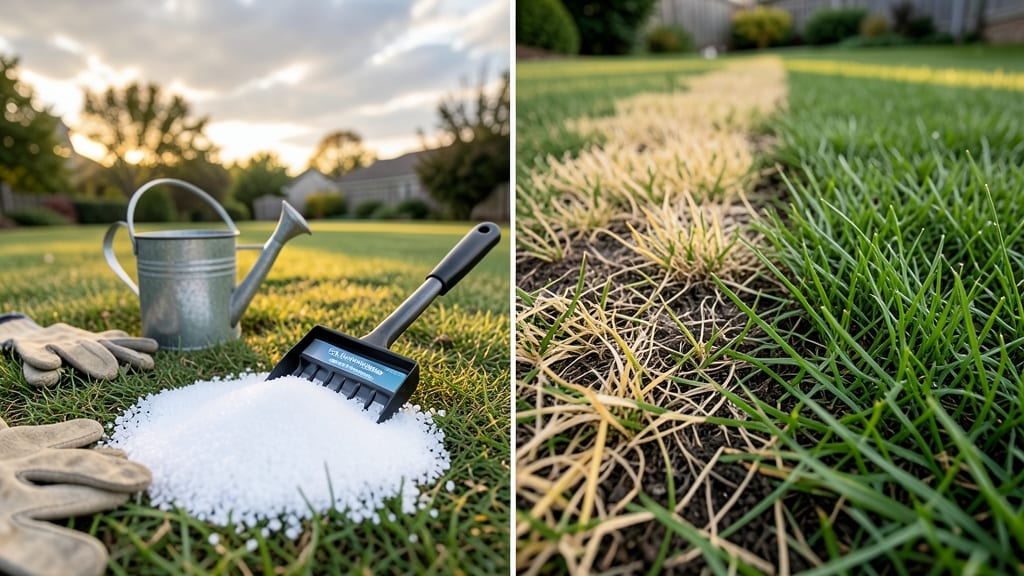
Neutralise dog urine on lawn before it turns your lush green into yellow patches faster than you can say "potty break." 🌱 The science is simple—nitrogen overload burns grass roots, leaving dead spots that take weeks to recover. But here's the good news: a vinegar-baking soda mix neutralizes the pH in 24 hours, saving your grass before it's too late.
I learned this trick after my golden retriever turned our backyard into a patchwork of brown and green. The secret?
The acidity in vinegar breaks down uric acid, while baking soda balances the pH. No harsh chemicals, no waiting weeks for regrowth—just a quick spray and watch your lawn bounce back. You'll need white vinegar, baking soda, and a spray bottle, plus a little elbow grease.
Within a day, the yellow fades, and within a week, new grass sprouts where there were once bare spots. The best part? This method works on any grass type, from Kentucky bluegrass to fescue, and keeps your lawn looking healthy even after the most enthusiastic pups.
For long-term protection, train your dog to potty in one designated area and dilute urine spots immediately. A gravel or mulch path near the house also helps contain accidents. Your lawn—and your dog—will thank you.
Chemical Reactions Behind Dog Urine Damage
Dog urine isn’t just a nuisance—it’s a silent lawn assassin, turning lush grass into patchy, yellowed wastelands. But why does it happen? The answer lies in the science of urine composition, soil chemistry, and plant biology. Let’s break down the key culprits and how they wreak havoc on your lawn.
When your dog pees, their urine is packed with urea (up to 2% by weight) and ammonia, both byproducts of protein metabolism. Here’s how they destroy grass:
- Urea breakdown: Soil bacteria rapidly convert urea into ammonia (NH₃) through a process called ureolysis. This reaction is faster in warm, moist soil—ideal conditions for lawn damage.
- Ammonia’s double whammy:
- Direct burn: High ammonia concentrations (especially in concentrated urine spots) act as a chemical burn, rupturing grass cell membranes and halting photosynthesis.
- pH spike: Ammonia raises soil pH to 8.0–9.0 (alkaline), creating a hostile environment for grass roots, which prefer 6.0–7.0.
- Nutrient imbalance: While ammonia provides nitrogen (a grass staple), the sudden influx overwhelms the plant’s ability to absorb it efficiently, leading to nutrient lockout.
Actionable insight: The younger the dog, the higher the urea concentration in their urine—puppies are the worst offenders! 🐶💥
Beyond ammonia, dog urine contains salts (sodium, potassium, chloride) and enzymes that further stress grass:
- Osmotic shock: High salt levels draw moisture out of grass roots via osmosis, causing dehydration and cell death. Think of it like a lawn-level salt burn.
- Enzyme activity: Urine enzymes like urease accelerate the ammonia release, while proteases break down organic matter in the soil, stripping nutrients grass needs.
- Soil compaction: Frequent urination in the same spots compacts soil, reducing oxygen and water penetration—roots suffocate.
Pro tip: Clay or heavy soils hold more salts and ammonia, making them 3x more vulnerable to urine damage than sandy lawns. 🌡️
Not all urine damage is equal—soil temperature and microbial activity dictate how bad it gets:
| Temperature Range | Ammonia Release Rate | Risk Level |
|---|---|---|
| 40–50°F (4–10°C) | Slow (bacteria hibernate) | Low (damage minimal) |
| 60–75°F (15–24°C) | Rapid (peak bacterial activity) | High (worst damage) |
| 80°F+ (27°C+) | Moderate (ammonia volatilizes) | Medium (less burn, but pH still spikes) |
Why it matters: Spring and fall (when soil is warm but not scorching) are the peak urine-damage seasons. Winter urine? Less harmful—but still acidic over time.
Not all grass is created equal. The stage of growth determines how resilient it is to urine:
- New seedlings: Their delicate root systems can’t handle even diluted urine. A single pee can kill a young sprout.
- Established lawns: Mature grass (especially cool-season types like Kentucky bluegrass) can tolerate diluted urine better due to deeper roots.
- Dormant grass (winter): Less damage occurs, but urine still acidifies soil over time, weakening spring recovery.
Key takeaway: If your dog pees on the same spot repeatedly, that patch will never recover fully—it’s a permanent stress zone for grass. 🚫🌱
Quick Fixes for Yellow Lawn Stains
Dog urine might leave your lawn looking patchy and unattractive, but the good news is that you can neutralize the damage with simple, effective solutions. The key is to act fast and use the right methods for each cause—whether it’s acidity, ammonia buildup, or nutrient depletion.
Below, we’ve mapped out practical fixes tailored to the root of the problem, plus tips to keep your lawn lush and stain-free.
Dog urine is highly acidic, which can burn grass and create dead spots. To balance the pH and restore your lawn:
-
Rinse the Area Immediately 💦
Use a garden hose to dilute the urine and wash it away. This prevents the acid from seeping deep into the soil.
-
Apply a Baking Soda Solution 🧂
Mix 1 cup of baking soda per gallon of water and pour it over the affected spot. Let it sit for 10–15 minutes before rinsing. Baking soda neutralizes acidity and helps restore soil pH.
-
Overseed the Spot 🌱
After treating, sprinkle new grass seed over the area and lightly cover it with soil. Keep it moist until the grass grows back (about 2–3 weeks).
Prevention Tip: Train your dog to urinate in one designated area (like a gravel patch) to minimize lawn damage. 🎯
Ammonia in fresh urine can stink up your yard and weaken grass roots. Here’s how to tackle it:
-
Vinegar & Water Spray 🍶
Combine 1 part white vinegar with 2 parts water in a spray bottle. Lightly mist the spot (don’t oversaturate) and let it dry. Vinegar’s acidity counters ammonia without harming the grass.
-
Diluted Hydrogen Peroxide (3%) 🧪
Mix 1 part hydrogen peroxide with 10 parts water and spray it over the area. This breaks down ammonia and acts as a mild disinfectant. Test a small patch first to avoid bleaching.
-
Reapply Lawn Fertilizer 🌿
After treating, use a balanced fertilizer (10-10-10) to replenish nutrients lost from urine. Follow the package instructions for application rates.
Pro Tip: If the smell lingers, sprinkle activated charcoal granules over the spot—they absorb odors naturally. ✨
Frequent urination can deplete soil nutrients, leaving grass thin and yellow. Rebuild your lawn with these steps:
-
Soil Test & Amendments 📊
Test your soil’s pH and nutrient levels (kits are cheap and easy to use). If the soil is too acidic (<6.0), add lime to raise the pH. For nutrient-poor soil, mix in compost or peat moss.
-
Grass-Specific Fertilizer 💪
Use a slow-release, nitrogen-rich fertilizer (like 24-0-6) to encourage regrowth. Water deeply after applying to help nutrients absorb.
-
Topdress with Sand or Mulch 🏖️
Spread a thin layer (¼ inch) of coarse sand or mulch over the treated area. This improves soil texture and helps roots establish.
Prevention Tip: Train your dog to drink more water indoors to dilute urine concentration. A hydrated dog = less acidic pee! 💧
To keep your lawn healthy and urine-resistant, adopt these habits:
- Dilute Urine with Water 💦 – Always rinse spots after your dog goes, especially in hot weather.
- Use Artificial Turf or Gravel Pads 🪨 – Designate a pee zone to protect high-traffic areas.
- Mow High (3–4 inches) 🌾 – Taller grass shades roots, reducing urine damage.
- Aerate & Overseed Annually 🌱 – Improves soil health and helps grass recover faster.
With these fixes, your lawn can bounce back in 24–48 hours—and stay green long-term! Whether you’re dealing with acidity, ammonia, or nutrient loss, the right approach makes all the difference.
Frequently asked questions
Why does dog urine turn grass yellow so quickly?
The high ammonia content in fresh urine acts like a chemical burn, while the urea breaks down into ammonia that raises soil pH to alkaline levels (8.0-9.0). This disrupts grass roots' ability to absorb nutrients and photosynthesize, causing that telltale yellow within 24 hours in warm weather.
Can I use regular dish soap to neutralize dog urine?
No, dish soap isn't recommended—it can leave residue that harms soil microbes and grass roots over time. Instead, use white vinegar (1:2 ratio with water) or a baking soda solution (1 cup per gallon) for safe pH balancing. These break down ammonia without toxic buildup.
How often should I treat urine spots?
For fresh accidents, treat immediately with water + vinegar/baking soda. For chronic spots, apply a soil amendment (lime or compost) every 3-4 months and overseed annually. Consistency matters—single treatments won't fix deep soil damage caused by repeated urination.
Will my lawn recover from old urine damage?
Partially—if the grass roots are still alive, they can regrow with proper care. Rake out dead patches, apply grass seed + topsoil, and use a slow-release fertilizer (24-0-6). For severely compacted soil, consider aeration. Recovery takes 4-6 weeks, but results depend on how long the damage persisted.
Are there dog breeds that cause worse lawn damage?
Yes! Puppies (especially small breeds like Chihuahuas) and high-protein-diet dogs (e.g., Huskies, German Shepherds) produce more concentrated urine. Male dogs typically cause more damage due to higher urea levels. Train them to drink more water to dilute urine, and always rinse spots post-potty.