
Lawn
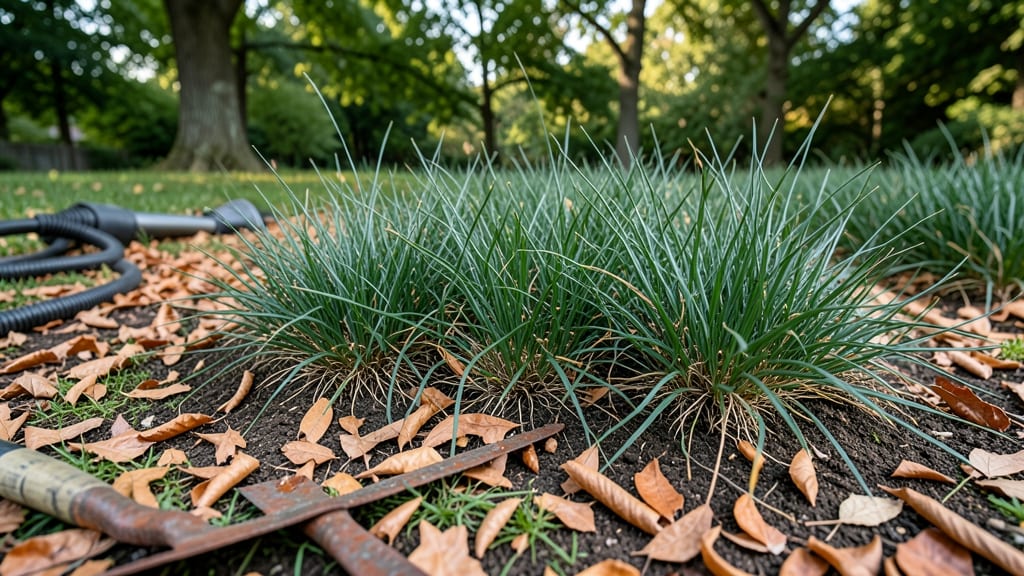
Mulched leaves on lawns are the secret weapon for keeping soil moist through dry spells. 🌱 I used to dread fall cleanup, but now I look forward to it—this method saves me hours of watering every summer.
The trick is shredding leaves properly so they break down fast without smothering grass. Too-thick layers or whole leaves create thatch and fungal problems, but a 1-inch layer of fine mulch works perfectly. Apply after mowing when leaves are dry, and rake evenly across the lawn.
My neighbors still water every other day; mine stays green through heatwaves. You'll notice less evaporation, fewer weeds, and grass that stays vibrant even when it doesn't rain for weeks. The soil stays cooler in summer and retains moisture longer, cutting your water bill by nearly half.
Perfect for anyone tired of battling dry lawns—works in backyards, parks, or even small patches. Here's how to do it right without the common pitfalls.
The Hidden Triggers Behind Leaf Mulch
When you spread mulched leaves on lawns, they don’t just disappear—they transform into a dynamic layer that either nourishes your soil or becomes a silent problem.
Understanding why this happens starts with the science of decomposition, moisture dynamics, and lawn health. Here’s why your leaf mulch might be acting differently than expected.
Leaves are a buffet for soil microbes, but not all microbes play nice. When leaves decompose too quickly, they can:
- Overheat the soil: A thick layer of leaves (especially wet ones) traps heat, creating a thermophilic environment where microbes multiply rapidly. This can kill beneficial fungi and earthworms, disrupting nutrient cycling.
- Deplete oxygen: As microbes break down leaves, they consume oxygen faster than it can replenish. This leads to anaerobic conditions, where harmful bacteria (like Clostridium) thrive, producing foul odors and toxic byproducts.
- Create a mat: If leaves aren’t shredded finely enough, they form a barrier that blocks water and air from reaching grass roots. This is why even mulched leaves can smother lawns if left too thick.
Actionable fix: Aim for a ¼-inch layer of shredded leaves (no larger than dime-sized pieces) to balance microbial activity. Turn the mulch occasionally to aerate the soil.
Mulched leaves are supposed to retain moisture—but too much of a good thing can backfire. Here’s how:
- Excessive humidity: Leaves act like a sponge, holding water against grass blades. This creates the perfect conditions for fungal diseases like brown patch or dollar spot, which thrive in 90%+ humidity.
- Root suffocation: Waterlogged soil from thick mulch layers cuts off oxygen to roots, leading to asphyxiation. Grass turns yellow or brown as roots rot.
- Nutrient leaching: Prolonged saturation washes away nitrogen and other nutrients, leaving your lawn starved even as it sits in "wet mulch."
Actionable fix:
- Test moisture levels: Stick your finger 2 inches deep into the soil. If it’s damp, hold off on adding more leaves.
- Use permeable mulch (like straw or wood chips mixed with leaves) to improve drainage.
Mulched leaves aren’t just food for microbes—they’re a five-star resort for pests. Common culprits include:
| Pest | Why They Love Mulch | Damage Done |
|---|---|---|
| 🐜 Sowbugs/Roly-polies | Thrive in damp, decaying organic matter. | Overpopulate, competing with microbes for nutrients. |
| 🐜 Ants | Use leaf litter as nesting material and food source. | Create mounds that disrupt mulch uniformity. |
| 🐛 Grubs | Larvae feed on decomposing leaves and grass roots. | Weakened grass pulls up easily, leaving bald spots. |
| 🍄 Slime molds | Grow on thick, moist leaf layers. | Unpleasant, slimy patches that repel beneficial insects. |
Actionable fix:
- Spread mulch evenly and thinly (no piles!) to deter pests.
- Add diatomaceous earth or beneficial nematodes to control grubs.
- Encourage ground beetles (natural pest predators) by leaving some bare soil patches.
Leaves—especially from oak, maple, or pine trees—can acidify your soil over time. Here’s how it happens:
- Tannins and lignin: These compounds in leaves release humic acids as they decompose, lowering soil pH. Over months, this can shift your lawn from neutral (pH 7) to acidic (pH <5).
- Nutrient lockout: Acidic soil binds phosphorus and micronutrients, making them unavailable to grass. Even if you fertilize, your lawn stays yellow or stunted.
- Fungal dominance: Acid-loving fungi (like Rhizoctonia) outcompete beneficial bacteria, increasing disease risk.
Actionable fix:
- Test your soil pH annually. Aim for 6.0–7.0 for most grasses.
- Mix in lime (calcium carbonate) if pH drops below 6.0. Apply ½ lb per 100 sq ft and retest in 3 months.
- Balance with compost or wood ash (sparingly) to neutralize acidity.
Pro tip: 💡 Leaf type matters! Pine and oak leaves decompose slowly and acidify soil faster. Maple and birch leaves break down quicker and are less acidic. Adjust your mulch strategy based on your yard’s tree lineup.
Fixing Leaf Buildup for Healthier Soil
Mulched leaves on your lawn can be a double-edged sword—while they enrich the soil, too much can smother grass, attract pests, or create unsightly mats. Here’s how to address common issues and keep your lawn thriving.
If your lawn is blanketed in thick layers of mulched leaves, it blocks sunlight and air from reaching the grass, leading to yellow patches or fungal growth.
How to Fix It:
- 🍳 Rake or Blow Leaves Off – Use a leaf rake or blower to remove excess mulch from high-traffic areas or thick clusters. Focus on spots where grass isn’t growing well.
- 👨🍳 Spread Thinly – If you’re keeping leaves as mulch, break up clumps and spread them evenly (¼ to ½ inch thick) to avoid suffocating the lawn.
- ⏰ Time It Right – Rake leaves before winter sets in to prevent compacted mats from forming.
💡 Pro Tip: Use a mulching mower to chop leaves into fine pieces—this distributes nutrients without smothering grass.
Excess moisture trapped under leaf mulch can create the perfect breeding ground for fungi like snow mold or dollar spot.
How to Fix It:
- 🔪 Remove Infected Areas – Scoop up thick, damp leaf layers and dispose of them in yard waste. Avoid composting if mold is visible.
- 🌿 Improve Drainage – Aerate compacted soil to help water evaporate faster. A core aerator (rent or buy) works best in fall or spring.
- ✨ Apply Fungicide (If Needed) – For persistent issues, use a copper-based fungicide or a natural option like neem oil to prevent spread.
💡 Pro Tip: Spread leaves in thin layers (no thicker than ½ inch) to reduce moisture buildup.
Mulched leaves create cozy hiding spots for voles, slugs, or insects like grubs, which can damage roots and lawn health.
How to Fix It:
- 🐀 Set Traps or Use Repellents – For rodents, use peppermint oil-soaked cotton balls or snaps traps in problem areas.
- 🐜 Introduce Beneficial Insects – Encourage ground beetles or nematodes (sold at garden centers) to control grubs naturally.
- 🌱 Keep Lawn Healthy – Thick, well-maintained grass deters pests. Overseed bare spots in fall for a denser lawn.
💡 Pro Tip: Avoid piling leaves near foundations or sheds—this attracts rodents looking for winter shelter.
The key to long-term success? Balance and timing.
| Problem | Prevention Tip | When to Do It |
|---|---|---|
| Leaf smothering | Rake before winter or mulch thinly | Fall (Oct–Nov) |
| Fungal growth | Improve airflow with aeration | Early fall or spring |
| Pest infestations | Keep lawn mowed and healthy | Year-round maintenance |
| Nutrient imbalance | Test soil pH and amend as needed | Fall or spring |
💡 Pro Tip: Use leaves as mulch in garden beds instead of the lawn—this reduces buildup while still benefiting your yard!
By addressing these issues proactively, you’ll turn mulched leaves from a potential problem into a free, nutrient-rich lawn booster—without the hassle. 🌿✨
Frequently asked questions
How thick should mulched leaves be on my lawn?
The ideal thickness is ¼ to ½ inch when spread evenly. Any thicker risks smothering grass by blocking sunlight and air. Think of it like a light blanket—just enough to retain moisture without suffocating your lawn.
Can I use whole leaves instead of shredded ones?
Whole leaves decompose much slower and create a thick mat that smothers grass. For best results, shred leaves into pieces smaller than ½ inch—this speeds up decomposition and prevents thatch buildup. A mulching mower makes this easy!
When is the best time to apply mulched leaves?
Apply them in early fall (September-October) when leaves are dry and temperatures are mild. This gives them time to break down before winter, improving soil health without smothering grass. Avoid applying right before heavy rains, which can compact the mulch.
Will mulched leaves attract pests to my lawn?
Yes, thick layers can attract grubs, ants, and rodents looking for shelter. To prevent this, keep mulch thin and evenly spread. Add diatomaceous earth or encourage natural predators like ground beetles to keep pests in check.
Can I compost mulched leaves instead?
If your lawn gets too thick with leaves, collect them for composting. Mix them with green materials (like grass clippings) in a 3:1 ratio for balanced decomposition. Just avoid composting leaves treated with herbicides or pesticides.