
Lawn
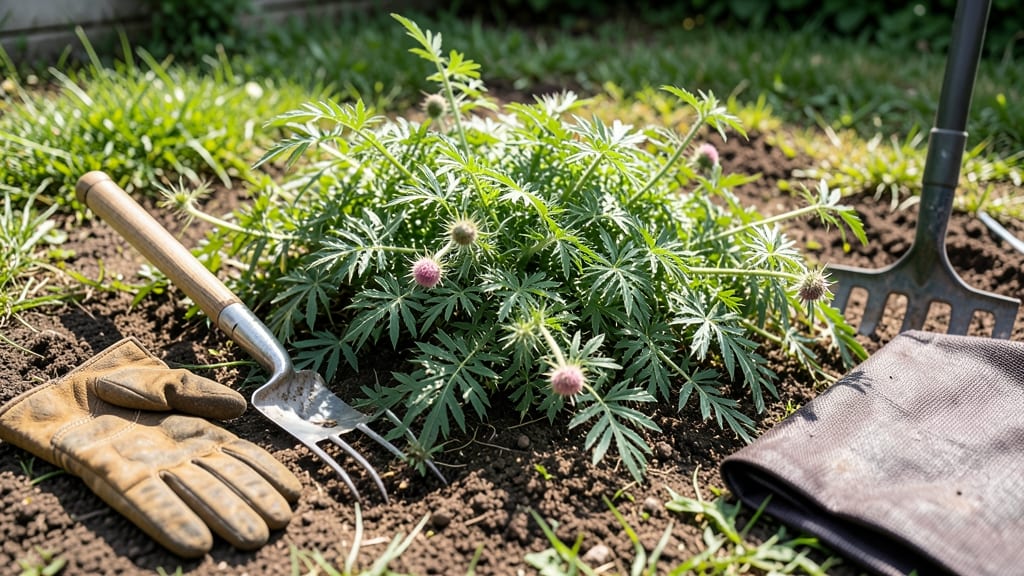
Pulling mimosa weed from your lawn feels like wrestling with a stubborn intruder—until you know its weak spots. 🌱 This fast-spreading invader smothers grass roots and turns your yard into a tangled mess, but the right approach can restore that lush, weed-free look in just a few weeks.
The secret lies in precision: timing your removal, targeting the roots, and choosing methods that won’t harm your lawn.
Mimosa weed thrives in sunny lawns with poor soil, spreading through both seeds and underground runners. If left unchecked, it can choke out grass, create bare patches, and make mowing a nightmare. The good news?
Manual removal works—if you pull it before it seeds (spring or early summer) and dig out those sneaky roots. For larger infestations, spot-treating with vinegar or eco-friendly herbicides can be a game-changer without harming your grass.
You’ll know you’ve won when your lawn fills in with dense, healthy grass and those telltale mimosa clusters vanish for good. Prevention is key: overseed thin spots, improve soil drainage, and mow high to starve out weeds.
Even stubborn patches can be tamed with persistence—this is how you reclaim your lawn without harsh chemicals.
Works for both small patches and larger yards, and adapts to organic or conventional methods. Let’s get that lawn back to looking its best—without the weed wars.
The Hidden Triggers Inviting Weeds
Mimosa weed (also called sensitive plant or touch-me-not) doesn’t just pop up randomly—it thrives because your lawn creates the perfect conditions for it. Understanding these triggers is the first step to stopping it before it spreads. Let’s break down the science behind why mimosa weed takes over your grass.
Mimosa weed loves weak soil. When your lawn lacks essential nutrients—especially nitrogen, phosphorus, and potassium—it creates gaps where weeds like mimosa can establish roots. Here’s why:
- Low nitrogen weakens grass, leaving bare spots mimosa seeds can colonize.
- Compacted soil restricts water and oxygen, stressing grass while mimosa’s shallow roots thrive in loose, disturbed areas.
- High pH (alkaline soil) locks out nutrients like iron and manganese, turning your lawn into a weed buffet.
Actionable fix: Test your soil (DIY kits work!) and amend with compost or a balanced fertilizer (10-10-10 ratio). Aerate compacted areas to improve root growth.
Mimosa weed is a drought-tolerant survivor, but it also loves moisture—just not too much. Here’s how watering habits help it win:
- Overwatering creates soggy patches where grass struggles, but mimosa’s fast-growing roots soak up excess water.
- Inconsistent watering (e.g., deep soaks followed by drought) stresses grass, while mimosa adapts to fluctuating conditions.
- Morning watering (best for grass) can leave evening dampness, giving mimosa a head start in germination.
Actionable fix: Water deeply 2–3 times per week (early morning) for ½–1 inch total. Use a rain gauge to avoid overdoing it.
Mimosa weed is adaptable but prefers partial shade—a sweet spot where grass often falters. Here’s the breakdown:
| Condition | How It Helps Mimosa |
|---|---|
| Full sun (6+ hours/day) | Grass like Bermuda or Zoysia may thin, leaving open space for mimosa seeds to sprout. |
| Deep shade (dappled or dense trees) | Grass like fescue weakens, while mimosa’s fast growth outcompetes slower shade-tolerant weeds. |
| Patchy sun/shade | Creates microclimates where mimosa thrives in sun while grass struggles in shade. |
Actionable fix: Choose grass varieties matched to your light conditions (e.g., St. Augustine for shade, Kentucky Bluegrass for sun). Thin tree canopies to balance light.
Mimosa weed is a pioneer species, meaning it colonizes disturbed areas faster than grass can recover. Common triggers:
- Foot traffic (kids, pets, or footpaths) compacts soil and uproots grass, creating seedbeds for mimosa.
- Construction or repairs (digging, aerating, or renovations) expose bare soil where mimosa seeds germinate within 48 hours.
- Thatch buildup (thick layer of dead grass) smothers roots and blocks water, while mimosa shoots through easily.
Actionable fix: Repair bare spots with grass seed immediately after disturbances. Dethatch if the layer exceeds ½ inch.
Mimosa weed doesn’t just grow—it reproduces aggressively. Each plant can produce thousands of seeds per year, and they stay viable in the soil for 5+ years. Here’s how it outsmarts grass:
- Explosive seed dispersal: When touched or shaken, pods eject seeds up to 13 feet.
- Fast germination: Seeds sprout in 3–7 days in warm soil, while grass takes weeks.
- Deep taproots (up to 20 feet) compete with grass for water, even in drought.
Actionable fix: Pull weeds before seed pods form (spring/summer). Bag and dispose of plants—never compost them!
How to Eradicate Mimosa Weed Fast
Mimosa weed (also called Mimosa pigra or sensitive plant) can turn your lush lawn into a battleground—unless you strike back with the right tactics. Below, we’ve mapped out targeted solutions for every stage of infestation, from early detection to stubborn overgrowth, plus prevention tips to keep it from returning.
No harsh chemicals required—just smart, eco-friendly strategies.
---
Cause: Small patches or newly sprouted mimosa weed. Fix: Act fast before it spreads!
#### 🔥 Hand-Pulling (Best for Small Areas) 1. Timing is key 🌞: Pull on a dry, sunny day—soil is easier to loosen, and you’ll spot more roots.
2. Grab and twist 👊: Use gloves to grip the weed at the base (about 2 inches down) and twist sharply to break the taproot. 3. Inspect the soil 🕵️♂️: Check for remaining root fragments—even a sliver can regrow!
4. Dispose properly 🗑️: Bag the weeds and do not compost (they’ll sprout again).
Pro Tip: 💡 If the weed resists, soak the area with vinegar (20% acetic acid) + dish soap for 24 hours before pulling—it weakens the plant.
#### 🍳 Vinegar Spot Spray (Organic Alternative) - Mix 1 gallon white vinegar + 1 oz dish soap + 1 tbsp salt. - Spray directly on leaves (avoid desirable plants—vinegar burns everything!). - Reapply every 3–5 days until yellowing occurs.
---
Cause: Large patches or repeated regrowth after manual removal. Fix: Combine root disruption with barrier methods.
#### 👨🍳 Solarization (For Bare-Spot Control) 1. Clear the area 🪓: Mow or cut mimosa weed to ground level. 2. Cover with plastic ☀️: Use clear plastic sheeting (4–6 mil thick) and secure edges with soil or bricks.
3. Bake in the sun 🔥: Leave for 4–6 weeks in peak summer heat (100°F+). The trapped heat kills roots and seeds. 4. Replant 🌱: Once the area is cool, reseed with grass or ground cover.
Pro Tip: 🌡️ For faster results, add a black tarp underneath the clear plastic to absorb extra heat.
#### 🔪 Root Barrier Installation (Long-Term Prevention) - Dig a trench 🏗️: Around the perimeter of your lawn, dig 6–12 inches deep and 12 inches wide. - Line with hardware cloth 🛡️: Bury ¼-inch mesh vertically to block creeping roots. - Backfill & mulch 🌿: Cover with soil and add wood chips or gravel to deter regrowth.
---
Cause: Mimosa weed dominating the lawn or returning yearly. Fix: Aggressive but sustainable methods to reclaim your space.
#### ⏰ Smothering with Cardboard/Mulch 1. Lay cardboard 📦: Cover the infested area with wet cardboard (ink-free) or thick newspaper. 2. Top with mulch 🌾: Add 4–6 inches of straw, wood chips, or leaves.
3. Wait 3–6 months ⏳: Mimosa weed cannot penetrate the barrier—it’ll die from lack of light. 4. Replant 🌿: Once the area is clear, sow grass or clover.
Pro Tip: ✨ For faster decomposition, mix in compost under the mulch to enrich the soil.
#### 🌿 Competitive Ground Covers - Plant deep-rooted grasses 🌱: Buffalo grass, Bermuda, or fescue outcompete mimosa weed for nutrients. - Add clover or creeping thyme 🌿: These shade-tolerant plants suppress weeds naturally. - Mow high ⛏️: Keep grass at 3–4 inches to block sunlight from weed seeds.
---
Once you’ve won the battle, lock in your victory with these habits:
| Prevention Step | How to Do It | Why It Works | |---------------------------|------------------------------------------|-------------------------------------------| | Regular mowing | Mow weekly at 3–4 inches | Stops seed production & blocks sunlight | | Edging barriers | Install landscape fabric along driveways | Blocks weed spread from borders | | Soil health check | Test pH & add compost annually | Healthy turf = fewer weed opportunities | | Vigilant pulling | Remove any mimosa sprouts immediately | Stops the "one becomes many" cycle |
Pro Tip: 🎯 Pre-emergent herbicide (like corn gluten meal) in early spring prevents seeds from germinating—zero chemicals needed.
--- Final Note: Mimosa weed is tough, but with consistency and the right tools, you can reclaim your lawn—without resorting to harsh sprays. Start with manual removal, then layer in preventative habits, and watch your grass thrive! 🚀
Frequently asked questions
How can I tell if those yellow flowers in my lawn are mimosa weed?
Look for sensitive plant characteristics: touch the leaves and they fold up instantly! Mimosa weed also has pale yellow flowers in round clusters and thorny stems. The leaves are double-compound (like fern fronds) and grow in pairs. Compare to your grass—mimosa grows in clumps while grass spreads evenly.
Will vinegar really kill mimosa weed without harming my grass?
Only if you use it carefully! Use 20% acetic acid vinegar (not household vinegar) mixed with dish soap. Spray directly on leaves and avoid grass—vinegar burns everything. For best results, apply on sunny days when weeds are actively growing. Test a small area first to check for grass sensitivity.
Why does mimosa weed keep coming back after I pull it?
Those deep taproots (up to 20 feet!) and thousands of seeds in the soil are the culprits. Even tiny root fragments can regrow—always pull until you feel resistance at the base. The seeds can stay dormant for 5+ years, so combine pulling with mulching or solarization to break the cycle.
Can I use corn gluten meal to prevent mimosa weed from spreading?
Yes! Apply 20 lbs per 1,000 sq ft in early spring before seeds germinate. Corn gluten meal works by preventing seedling growth while adding nitrogen to your soil. Reapply every 6–8 weeks during growing season. It’s non-toxic and safe for pets once established—just keep kids and pets off treated areas for 24 hours.
What's the fastest way to stop mimosa weed from spreading to my garden beds?
Install a root barrier! Dig a 6-inch deep trench around your garden and line it with hardware cloth (¼-inch mesh). This blocks creeping roots while allowing water through. For existing spread, smother with cardboard + mulch—mimosa can’t penetrate this barrier. Check edges monthly for new sprouts and pull immediately.