
Lawn
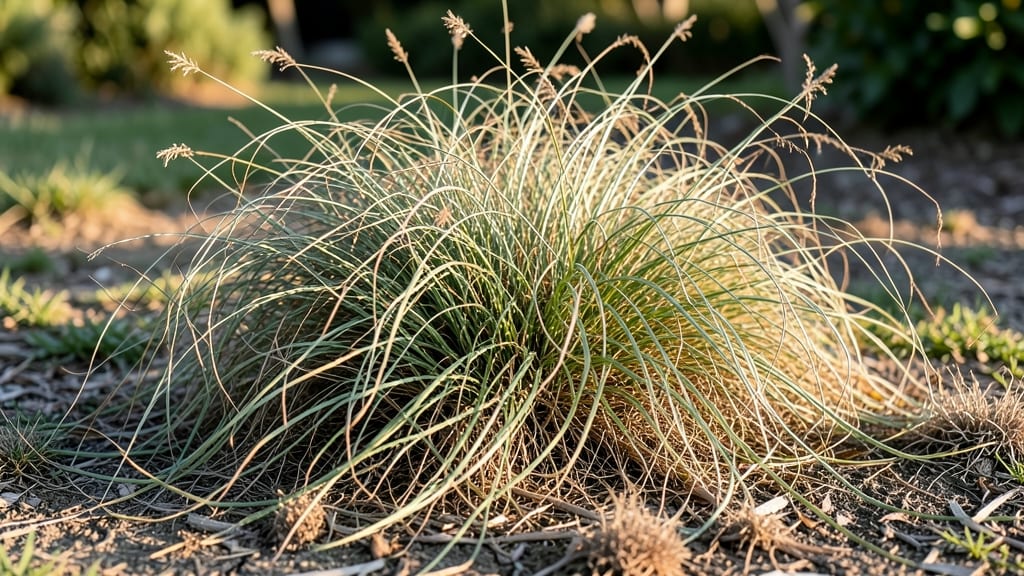
That long stringy grass creeping through your lawn isn’t just ugly—it’s a battle for turf dominance. 🌱 I’ve wrestled with nutgrass and sedge for years, and I’ll show you how to reclaim your lawn in 72 hours without harsh chemicals.
The key? Identifying the invader first, then hitting it with the right mix of manual removal, natural suppression, and smart lawn care.
Most people don’t realize stringy grass thrives because their lawn is weak—thin spots, poor soil, or overwatering create perfect conditions. My first mistake was pulling it by hand (it grows back faster).
Instead, we’ll smother it with thick, healthy turf and targeted treatments that actually work. You’ll need basic tools, a little patience, and a plan to starve it out.
By the end of 3 days, you’ll see those wiry strands disappearing as your grass fills in. The secret? A combination of corn gluten meal (natural pre-emergent), vinegar spray (for spot treatment), and proper mowing height to crowd out regrowth.
No more patchy, stringy eyesores—just a lush, uniform lawn that stays that way.
Works for any grass type, whether you’re dealing with Bermuda, fescue, or Kentucky bluegrass. The same principles apply to driveways and walkways too. Let’s get your lawn back—and keep it that way.
Grass Growth Gone Wild
That unsightly long, stringy grass creeping across your lawn isn’t just an eyesore—it’s a sign your turf is struggling to stay balanced. Understanding the root causes (literally!) helps you tackle the problem head-on.
Below, we break down the science behind why your grass might be growing in wild, tangled strands, so you can restore a lush, uniform lawn.
Grass thrives on moisture, but too much water—or water that doesn’t drain properly—can trigger excessive, weak growth. Here’s why:
- Root stress: When soil stays soggy, grass roots suffocate from lack of oxygen. Without strong roots, blades stretch upward in search of sunlight, creating that stringy, leggy appearance.
- Fungal risks: Overly wet conditions breed fungi like dollar spot or brown patch, which weaken grass and encourage uneven growth.
- Nutrient imbalance: Waterlogged soil leaches away nitrogen and other essential nutrients, forcing grass to grow rapidly (and poorly) to compensate.
Actionable fix: Test your soil’s drainage by digging a 6-inch hole and filling it with water. If it drains slower than 6 hours, amend with sand or compost to improve airflow. Water deeply but 2–3 times per week (early morning) instead of daily shallow sessions.
Grass is a sun-loving plant, and when it doesn’t get enough light, it stretches toward the sky like a plant in a dim room. Common culprits:
- Shade from trees/shrubs: Fast-growing trees or dense foliage block sunlight, causing grass to grow tall, thin, and weak.
- New construction or landscaping: Temporary shade from fences, decks, or even snow piles can disrupt growth patterns.
- Grass type mismatch: Some varieties (like fine fescue) tolerate shade better than others (like Bermuda grass).
Actionable fix:
- Thin out overhanging branches or prune trees to increase sunlight exposure.
- Consider shade-tolerant grass seeds (e.g., Kentucky bluegrass or zoysia) for problem areas.
- Mow higher (3–4 inches) in shaded spots to protect blades from stretching.
A lawn starving for nutrients will grow long and spindly instead of short and dense. The most common deficiencies:
| Nutrient | Signs of Deficiency | Why It Causes Stringy Growth |
|---|---|---|
| Nitrogen (N) | Pale yellow-green grass, slow recovery after mowing | Nitrogen fuels leaf growth. Without it, grass blades grow weak and elongated to maximize sunlight capture. |
| Potassium (K) | Brown tips, weak roots, grass wilts easily | Potassium strengthens cell walls. A deficiency leads to floppy, fragile blades that stretch under stress. |
| Iron (Fe) | Yellowing between veins (chlorosis) | Iron aids chlorophyll production. Low levels cause poor energy conversion, resulting in weak, stretched-out growth. |
Actionable fix: Conduct a soil test (DIY kits or local extension offices) to identify deficiencies. Apply a balanced fertilizer (e.g., 16-4-8) in early spring, followed by a potassium-rich supplement (like greensand) in fall.
Mowing too short, too high, or at the wrong time can shock grass into growing in long, uneven strands. Key mistakes:
- Cutting too low: Removing more than ⅓ of the blade height stresses grass, causing it to bolt upright to recover.
- Skipping regular mowing: Letting grass grow 4+ inches tall before trimming encourages seed heads and weak stems.
- Mowing at the wrong time: Cutting when grass is wet or dormant damages blades, leading to uneven regrowth.
Actionable fix:
- Set your mower to the highest recommended height for your grass type (e.g., 3–4 inches for cool-season grasses).
- Mow weekly (or every 5–7 days in peak growth) and never remove more than ⅓ of the blade.
- Avoid mowing when grass is damp—wait until it’s dry to prevent clumping and disease.
Hidden threats like grubs, chinch bugs, or fungal infections can weaken grass roots, leading to patchy, stringy regrowth. Watch for:
- Grubs: White, C-shaped larvae munch on roots, causing thin, yellowing patches that recover with weak, stretched-out blades.
- Chinch bugs: These sap-sucking pests create brown, straw-like grass that pulls up easily.
- Fungal diseases: Rust, leaf spot, or snow mold weaken grass, leading to uneven, leggy growth.
Actionable fix:
- Inspect soil for grubs by digging a small section. If you find 5+ grubs per square foot, treat with beneficial nematodes or milky spore.
- Look for chinch bug damage (tiny black bugs at the base of blades) and treat with neem oil or insecticidal soap.
- Apply fungicide (like propiconazole) if you spot yellowish-orange spores or white fungal threads on blades.
Quick Fixes for Stringy Grass
Now that you know the root causes behind your lawn’s stringy, weak appearance—whether it’s grubs munching roots, overwatering, poor mowing habits, or nutrient deficiencies—it’s time to turn things around. The good news?
Most fixes can start today and yield noticeable results in 72 hours to a few weeks. Below, we’ve mapped out practical, step-by-step solutions tailored to each problem, plus prevention tips to keep your lawn lush and resilient long-term.
Grubs weaken grass by feasting on roots, leaving patches thin and stringy. Act fast—these pests multiply quickly!
🍳 Step 1: Confirm the Problem
Before treating, verify grubs are the issue: - Roll back a small section of sod.
If you see white, C-shaped larvae (grubs), you’ve got the culprit. - Check for other signs: Moles, birds pecking at the lawn, or patches that pull up easily.
👨🍳 Step 2: Apply a Grub Killer
Choose fast-acting options for immediate results:
- Imidacloprid (e.g., Merit) – Systemic treatment that kills grubs as they feed (works in 3–5 days).
- Carbaryl (Sevin) – Fast knockdown (24–48 hours) but needs reapplication.
- Beneficial nematodes – Natural, organic option (takes 7–10 days but safe for kids/pets).
🥘 Step 3: Overseed & Fertilize
Once grubs are gone, repair the damage:
- Rake out thin spots to loosen soil.
- Spread grass seed (choose a fast-germinating type like tall fescue or ryegrass).
- Apply starter fertilizer (high in phosphorus) to encourage root growth.
⏰ Prevention for Next Season
- Aerate in fall to disrupt grub habitats.
- Apply grub preventer (like chlorantraniliprole) in early summer before eggs hatch.
- Encourage natural predators: Birds, toads, and ground beetles love grubs—keep their habitat intact!
Stringy grass often signals overwatering, which weakens roots and promotes fungal growth. Fix it with these steps:
💡 Step 1: Check Your Watering Routine
- Water deeply but infrequently: Aim for 1–1.5 inches per week (including rain).
Use a rain gauge or tuna can to measure. - Water in the morning (before 10 AM) to reduce evaporation and fungal risk. - Avoid light, frequent watering—this encourages shallow roots and thatches growth.
🌡️ Step 2: Improve Drainage
If your lawn stays soggy:
- Test soil drainage: Dig a 12-inch hole, fill it with water, and time how long it takes to drain. More than 6 hours? You’ve got poor drainage.
- Add compost or sand to heavy clay soil to improve aeration.
- Install a French drain if water pools in low spots.
🎯 Step 3: Strengthen Grass Roots
- Reduce watering gradually over 2 weeks to avoid shock.
- Apply a slow-release fertilizer (like 16-4-8) to encourage deep root growth.
- Mow higher (3–4 inches) to shade roots and retain moisture better.
✨ Prevention Tips
- Install a smart sprinkler system with soil moisture sensors.
- Mulch with leaves or straw to retain moisture without overdoing it.
- Aerate annually to prevent soil compaction, which worsens waterlogging.
Blunt mower blades and cutting too low stress grass, leading to a weak, stringy appearance.
🔪 Step 1: Sharpen & Adjust Your Mower
- Dull blades tear grass instead of cleanly cutting, inviting disease.
- Sharpen blades annually or after 25 hours of use.
- Set the height to 3–4 inches (taller grass = deeper roots = resilience).
📊 Step 2: Follow the 1/3 Rule
Never remove more than 1/3 of the grass blade in one mowing. Why?
- Shocked grass struggles to recover, turning yellow or stringy.
- Solution: Mow weekly (or every 10–14 days) and raise the deck if you’ve been cutting too short.
💪 Step 3: Mow at the Right Time
- Mow in the late afternoon when grass is dry but still flexible (avoids tearing).
- Alternate mowing patterns to prevent soil compaction and encourage upright growth.
🌟 Prevention Tips
- Use a mulching mower to return clippings as natural fertilizer.
- Keep your mower deck clean to prevent rust and ensure smooth cuts.
- Avoid mowing during drought—grass grows slower and recovers poorly.
Yellowing, thin, or stringy grass often signals a lack of nitrogen, iron, or potassium. Fix it with targeted feeding:
🍎 Step 1: Take a Soil Test
- DIY test kits (like LaMotte) or send a sample to a local extension office for a full analysis.
- Common deficiencies:
- Nitrogen (N): Leads to pale, weak grass (fix with quick-release fertilizer like 24-0-4).
- Iron (Fe): Causes yellowing (use chelated iron supplement).
- Potassium (K): Weakens roots (apply potassium sulfate).
📊 Step 2: Choose the Right Fertilizer
| Problem | Solution | When to Apply |
|---|---|---|
| General weakness | Slow-release nitrogen (e.g., Osmocote) | Spring & fall |
| Yellowing grass | Iron supplement (e.g., Ironite) | Early spring or fall |
| Poor root growth | High-potassium fertilizer (e.g., 0-0-30) | Late summer/early fall |
| Slow recovery | Starter fertilizer (high P) | When overseeding |
🌱 Step 3: Boost Microbes & Organic Matter
- Add compost (1/4 inch top-dressing) to improve soil health.
- Use a microbial inoculant (like Mycorrhizal fungi) to enhance nutrient uptake.
- Aerate + overseed to give grass access to deeper nutrients.
🔥 Prevention Tips
- Fertilize in early spring and fall (avoid summer heat stress).
- Water after fertilizing to help nutrients absorb.
- Avoid over-fertilizing—it burns grass and pollutes waterways.
For maximum revival in 72 hours:
- Morning of Day 1: Apply grub killer (if needed) + sharp mower blades.
- Afternoon of Day 1: Overseed bare spots + raise mower height.
- Day 2: Test soil moisture and adjust watering; apply iron supplement if grass is yellow.
- Day 3: Aerate small patches (if compacted) and top-dress with compost.
Result? A lawn that stops looking stringy and starts thickening up in just a few days—with long-term resilience! 🚀
Frequently asked questions
Is long stringy grass in my lawn actually a weed?
Not always! While some stringy grasses like nutgrass or nut sedge are invasive weeds, others might be weak, stressed grass blades from your existing lawn. The key difference? Weeds (like nutgrass) have thin, wiry stems that grow in clumps, while stressed grass blades will look uniformly thin across your lawn. Pull a few samples—if they have triangular stems or grow in patches, they're likely weeds.
Why does my lawn keep getting stringy grass even after I treat it?
Persistent stringy grass usually means the root cause isn't fully addressed. Common reasons include: overwatering (which weakens roots), nutrient deficiencies (especially nitrogen or iron), or compaction preventing healthy growth. Try a soil test and adjust your watering to 1-1.5 inches per week—deep but infrequent watering strengthens roots and prevents leggy growth.
Can I just pull out the stringy grass by hand?
Pulling works for small patches, but it's temporary—you'll likely see regrowth within 2-3 weeks because the roots (or seeds) remain in the soil. For long-term results, combine manual removal with corn gluten meal (natural pre-emergent) or vinegar spray (for spot treatment). Focus on strengthening your existing grass through proper mowing (3-4 inches) and fertilization.
Will vinegar kill my regular grass if I use it on stringy grass?
Vinegar (20-30% acetic acid) is selective—it targets broadleaf weeds and weak grass but can harm healthy turf if overused. For spot treatment, use a 1:1 vinegar-water mix with a dish soap drop as a surfactant, and apply only to the stringy grass. Avoid spraying on windy days, and water the area afterward to dilute any accidental overspray on good grass.
How do I know if my stringy grass is nutgrass or just weak grass?
Nutgrass has distinctive triangular stems and grows in dense, wiry clumps with tuber-like roots at the base. Weak grass, on the other hand, will look uniformly thin and pull up easily in sheets (not individual strands). Dig up a small sample—if you see bulbous roots or rhizomes, it's nutgrass. If not, your lawn just needs better care (fertilizer, mowing adjustments, or aeration).