
Lawn
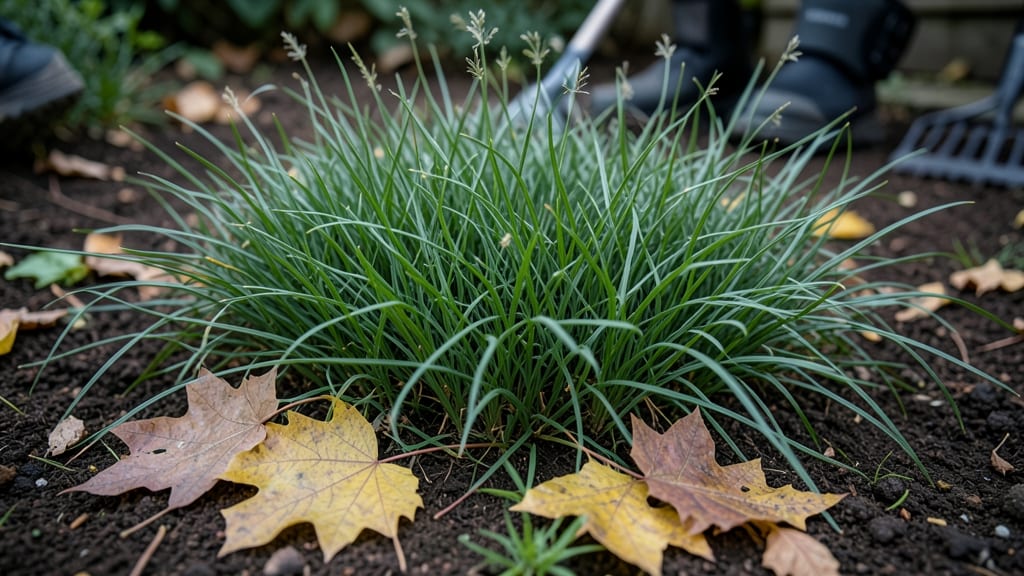
Leaving leaves on lawn creates a natural mulch layer that enriches soil with organic nutrients, smothers weeds, and protects grass roots from winter cold while naturally repelling pests like slugs and grubs.
This natural mulching process works like a slow-release fertilizer. As leaves decompose, they release nutrients directly into the soil, improving its structure and water retention. 🌱 The thick layer also blocks sunlight from reaching weed seeds, reducing their germination.
Plus, the insulation helps grass roots stay active longer in cooler months, giving your lawn a head start in spring.
For best results, aim for a 1-2 inch layer of leaves—thicker layers can smother grass. If your lawn gets heavy leaf buildup, mow them occasionally to prevent compaction. This approach cuts down on yard waste while giving your soil a nutrient boost without synthetic additives.
💡 In This Article
- How Fallen Leaves Improve Soil Fertility
- Best Practices for Mulching Lawn Leaves
How fallen leaves improve soil fertility
The decomposition process begins when leaves hit the ground, where they transform from a simple litter layer into a nutrient powerhouse. Microorganisms like bacteria and fungi break down the cellulose and lignin in leaves, converting them into humus—a dark, spongy substance rich in organic matter.
This process can take months, but it's incredibly efficient: a single layer of leaves can add 20-30% more organic matter to soil annually compared to bare ground, significantly boosting its fertility.
Here's what's actually happening beneath the surface: As leaves decompose, they release essential nutrients like nitrogen, phosphorus, and potassium directly into the soil. These nutrients become available to grass roots and other plants over time, creating a slow-release fertilization effect.
The breakdown also improves soil structure by increasing its ability to retain moisture—up to 30% more water capacity in clay soils and 20% in sandy soils—while preventing compaction from heavy foot traffic or rain.
This natural mulch also creates a microclimate that supports beneficial soil life. Earthworms, for instance, thrive in leaf-covered soil, tunneling through it and aerating the roots. Their castings further enrich the soil with additional nutrients.
The leaf layer also moderates soil temperature, keeping it cooler in summer and warmer in winter—ideal conditions for microbial activity and root growth. 🌿 In fact, studies show lawns with leaf mulch can have 2-3 times more microbial biomass than bare soil.
One often-overlooked benefit is how leaves enhance nutrient cycling. As they decompose, they form a symbiotic relationship with plant roots, where beneficial fungi (mycorrhizae) connect roots to the decomposing matter, making nutrients more accessible.
This is especially valuable for perennials and deep-rooted grasses, which can access nutrients that would otherwise leach away. The result? Healthier, more resilient turf that requires less synthetic fertilizer over time.
Consider the sensory experience: A leaf-covered lawn in spring smells rich and earthy, a sign of active decomposition. The texture changes too—what starts as crisp, dry leaves becomes a soft, crumbly layer that almost feels like a natural carpet.
This transformation isn't just about looks; it's a clear indicator of the soil's improved health beneath. The key is balance: too many leaves can create a mat that blocks sunlight and air, but the right amount creates a thriving ecosystem.
For homeowners, this means fewer weeds (thanks to sunlight suppression) and stronger grass (thanks to consistent nutrient release). The process is nature's way of recycling—turning what might seem like yard waste into a valuable resource that enhances your lawn's long-term vitality.
It's a win-win for both your garden and the environment. 🌱