
Lawn
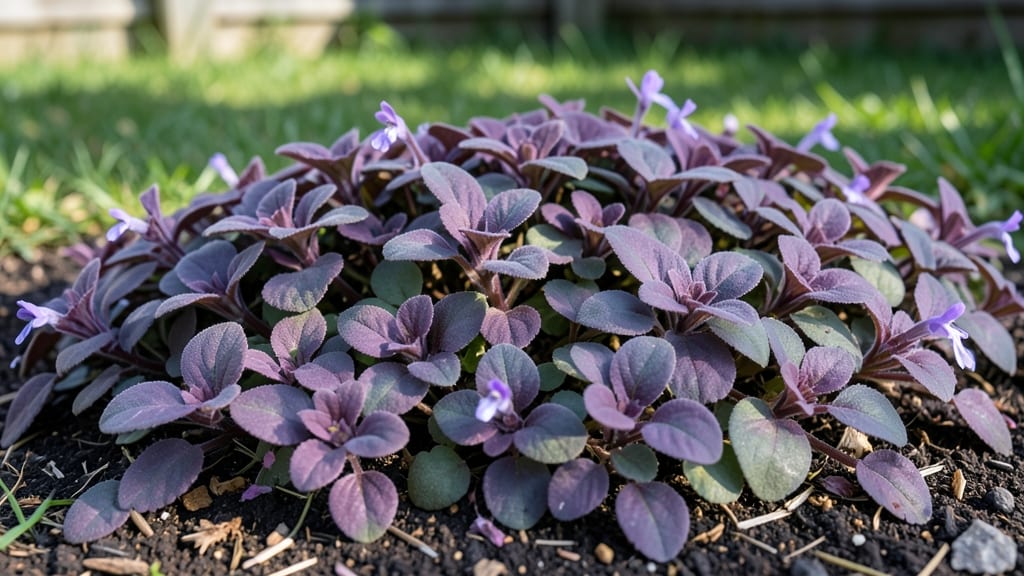
That lawn weed with purple leaves creeping across your lawn isn’t just unsightly—it’s often tougher to kill than grass. 🌿 I’ve battled henbit, clover, and purple dead nettle, and here’s how to outsmart them without harsh chemicals. The key? Identifying them early and acting before they spread.
These weeds thrive in cool weather, so spring and fall are critical windows. A simple vinegar spray or hand-pulling works best when the soil is moist, but timing matters—miss it, and you’ll be fighting them all season.
I’ve seen lawns go from patchy to lush just by targeting these invaders at the right moment.
What you’ll get is a lawn that stays green, not purple. No more struggling with stubborn clumps or watching them choke out your grass. The secret is a mix of manual removal, organic sprays, and smart seasonal care—no guesswork.
Works for any lawn type, from shady patches to sunny yards. Let’s reclaim that grass!
Root Causes Behind Purple Leaf Weeds
Seeing those striking purple-leafed weeds pop up in your lawn might look like a bold design choice—but it’s usually a sign of stress or imbalance in your turf. Let’s break down the science behind why these weeds develop their vivid hues and thrive where others fail.
Purple leaves often signal a phosphorus or nitrogen deficiency, but they can also appear when weeds adapt to low soil fertility. Here’s how it works: - Phosphorus Deficiency: Purple or reddish tones in leaves (especially in younger growth) are a classic sign.
Phosphorus is critical for energy transfer in plants, and weeds like henbit or chickweed may turn purple when soil phosphorus levels drop below 10-20 ppm (parts per million). - Nitrogen Starvation: While nitrogen deficiency usually causes yellowing, some weeds (like purple deadnettle) produce anthocyanin pigments—the same compounds that make blueberries or eggplants purple—as a stress response.
This helps protect chlorophyll from damage. - Compacted or Poor Soil: Weeds with purple leaves often dominate in dense, poorly aerated soil where roots struggle to access nutrients. Compacted clay or sand-heavy soils trap water and limit root growth, forcing weeds to adapt with pigment changes.
Actionable Fix: Test your soil’s pH and nutrient levels (ideal lawn pH: 6.0–7.0). Apply a balanced fertilizer (e.g., 10-10-10) in early spring, or use compost to boost organic matter. For compacted soil, core aeration in fall can restore root access to nutrients.
Weeds with purple leaves often love the extremes—either too much or too little water. Here’s why: - Drought Stress: Underwatering triggers anthocyanin production as a sunscreen for stressed leaves.
Weeds like purple groundsel or red sorrel thrive in dry spells because they’re drought-tolerant, while your lawn grasses wilt. - Overwatering & Poor Drainage: Soggy soil can also cause purple hues, especially in weeds like creeping charlie (Glechoma hederacea), which may develop purple stems/leaves due to root oxygen deprivation.
Waterlogged conditions limit nutrient uptake, forcing weeds to adapt. - Salinity or Chemical Burn: If your lawn has salt buildup (from deicers, fertilizers, or hard water) or herbicide residue, weeds may turn purple as a toxicity response. Purple spotted spurge often appears in salt-affected areas.
Actionable Fix:
- Water deeply but infrequently (1–1.5 inches per week) to encourage deep root growth in your grass.
- Improve drainage with gypsum (for clay soil) or sand topdressing (for sandy soil).
- If salinity is the issue, flush the soil with fresh water or apply organic matter to dilute salts.
Believe it or not, light and heat play a huge role in those purple leaves. Here’s how: - High UV Exposure: Weeds in full sun may produce more anthocyanins to protect against UV damage.
This is common in purple nutsedge, which thrives in sunny, dry conditions. - Cool Nights & Warm Days: Temperature fluctuations (like early spring or late fall) can cause purple tinges in weeds like henbit, which grows aggressively in 50–70°F ranges.
The contrast between cool nights and warm days triggers pigment changes. - Shade Stress: Some weeds (e.g., ground ivy) turn purple when competing for light in shady lawns. The lack of sunlight reduces chlorophyll, so the plant shifts to secondary pigments for energy.
Actionable Fix:
- Mow high (3–4 inches) to shade out weeds and reduce stress on your grass.
- Aerate and overseed in fall to thicken turf, blocking weed sunlight access.
- If your lawn is too shady, choose shade-tolerant grasses like fine fescue.
Sometimes, purple leaves aren’t just about soil or water—they’re a defense mechanism against pests or pathogens.
- Root Feeding Insects: Grubs or chinch bugs can damage grass roots, forcing weeds like clover or dandelions to develop purple hues as a stress signal.
- Fungal Infections: Weeds with purple spots (e.g., red thread disease in chickweed) may indicate fungal pressure, where the weed’s pigments help repel pathogens.
- Herbivore Damage: Deer, rabbits, or insects may avoid purple-leafed weeds because the pigments can be bitter or toxic to them.
Actionable Fix:
- Apply beneficial nematodes or grub control in early summer.
- Use fungicidal treatments (like neem oil) if you spot purple spots on weeds.
- Hand-pull severely affected weeds to prevent spread.
Easy Fixes for Purple-Leafed Weeds
Now that you understand why those vibrant purple-leafed weeds are popping up in your lawn, it’s time to tackle them effectively. The good news? Most of these weeds respond well to targeted solutions—whether you’re dealing with henbit, purple deadnettle, or creeping charlie (just to name a few).
Below, we’ll break down practical, step-by-step fixes based on the root cause, plus prevention tips to keep your lawn lush and weed-free long-term.
Before grabbing the first herbicide or pulling tool, correct ID is key. Purple-leafed weeds often look similar, but their growth habits and weaknesses differ.
Grab a magnifying glass (or your phone’s camera) and check: - Leaf shape (lobed, serrated, or smooth?) - Growth pattern (spreading, clumping, or creeping?) - Flower structure (if present—some weeds bloom purple!)
💡 Pro Tip: Snap a photo and compare it to a local weed identification guide (like your state’s extension service website). Misidentifying weeds can waste time and money!
If your lawn has only a few patches of purple-leafed weeds, hand-pulling or digging is the most eco-friendly first step.
👨🍳 Step-by-Step Pulling Guide
- Wait for the right conditions – Pull weeds after rain or watering when the soil is soft. This makes roots easier to remove.
- Grab the base – Use gloves to grip the weed as close to the soil as possible.
A trowel helps loosen stubborn roots. 3. Twist and tug – Once loosened, twist the weed to break the root system. Leaving fragments behind can regrow! 4. Dispose properly – Toss weeds in the trash (not compost)—some, like purple deadnettle, can resprout from cuttings.
✨ Prevention Tip: After pulling, fill the hole with fresh topsoil and reseeds the area with grass seed to prevent bare spots.
If manual removal isn’t enough (or if weeds keep returning), selective herbicides can save the day. The key? Choosing the right type for your lawn and weed.
🔪 Herbicide Options by Weed Type
| Weed Type | Best Herbicide Approach | When to Apply |
|---|---|---|
| Henbit | Pre-emergent (like pendimethalin) or post-emergent (2,4-D + dicamba) | Early spring or fall |
| Purple Deadnettle | Non-selective (glyphosate) for spot treatment | Late summer/early fall |
| Creeping Charlie | Post-emergent (triclopyr or 2,4-D) | Spring or fall (avoid summer heat) |
| Chickweed | Post-emergent (MCPP or 2,4-D) | Early spring or fall |
💡 Pro Tip: Always read the label! Some herbicides (like glyphosate) kill all plants, so use them only on weeds, not grass. For lawn-safe options, choose selective herbicides with 2,4-D or dicamba.
⏰ Best Time to Apply
- Spring (early) – Targets weeds before they spread.
- Fall (late) – Weeds are storing energy in roots, making them more vulnerable.
- Avoid summer – Heat stress can reduce herbicide effectiveness.
The best defense? A healthy lawn that crowds out weeds. Try these low-effort, high-impact strategies:
🌱 Strengthen Your Grass
- Mow high (3–4 inches) – Taller grass shades out weeds.
- Aerate & overseed – Thin lawns invite weeds. Fall is prime time for overseeding.
- Fertilize properly – Use a slow-release, weed-and-feed in early spring or fall.
💦 Water Smartly
- Deep, infrequent watering (1–1.5 inches per week) encourages deep grass roots, which outcompete weeds.
- Avoid overwatering – Weeds like henbit thrive in moist soil.
🌡️ Mulch Bare Spots
If you have patchy lawn areas, apply a thin layer of compost or straw to prevent weed seeds from germinating.
Once you’ve eliminated the current infestation, break the weed cycle with these habits:
✅ Dethatch annually – Thick thatch traps weed seeds. ✅ Clean mower blades – Weed seeds can hitch a ride to new spots! ✅ Remove flower heads – Some weeds (like chickweed) spread via seed pods. ✅ Test your soil – pH imbalances (too acidic/alkaline) make lawns weak.
Aim for 6.0–7.0 pH.
Purple-leafed weeds might seem vibrant and tough, but with the right approach, you can banish them for good. Start with manual removal for small patches, herbicides for stubborn spots, and lawn care tweaks to prevent regrowth.
💡 Remember: The healthier your grass, the less room weeds have to invade. Stick with a consistent routine, and soon, your lawn will be the showstopper—not the weeds!
Frequently asked questions
What are the most common lawn weeds with purple leaves?
The most frequent offenders include henbit, purple deadnettle, creeping charlie, and chickweed. These weeds thrive in cool seasons and often appear in early spring or fall when grass is still recovering. Henbit has jagged leaves, while purple deadnettle has square stems and toothed edges.
Can I use vinegar to kill purple-leafed weeds?
Yes, but with caution! A 20-30% vinegar solution (mix 1 part vinegar with 1 part water) works best on small patches. Spray directly on weeds (not grass) on a sunny day when temps are above 50°F. For stubborn weeds like creeping charlie, reapply every 3-5 days until they die.
Why do these weeds spread so quickly?
Purple-leafed weeds often spread rapidly because they produce thousands of seeds and have shallow root systems that regrow easily. Henbit, for example, can release 15,000+ seeds per plant! They also thrive in disturbed soil (like bare spots) and compete aggressively with weak grass. The key is to remove them before they flower.
Are there organic ways to prevent purple-leafed weeds?
Start by mowing high (3-4 inches) to shade out weeds, then aerate and overseed in fall to thicken your lawn. Apply a corn gluten meal pre-emergent in early spring (it blocks weed seeds from germinating). For existing weeds, spot-treat with boiling water or salt vinegar—just avoid nearby plants!
Will herbicides harm my pets if I use them?
Some herbicides (like glyphosate) can be toxic to pets if ingested. Always choose pet-safe options like corn gluten meal or vinegar-based sprays. If you must use chemicals, apply them in the evening and keep pets off the lawn for at least 48 hours. Check labels for pet warnings—safety first!